The Price of Wonder
By ZealZag Team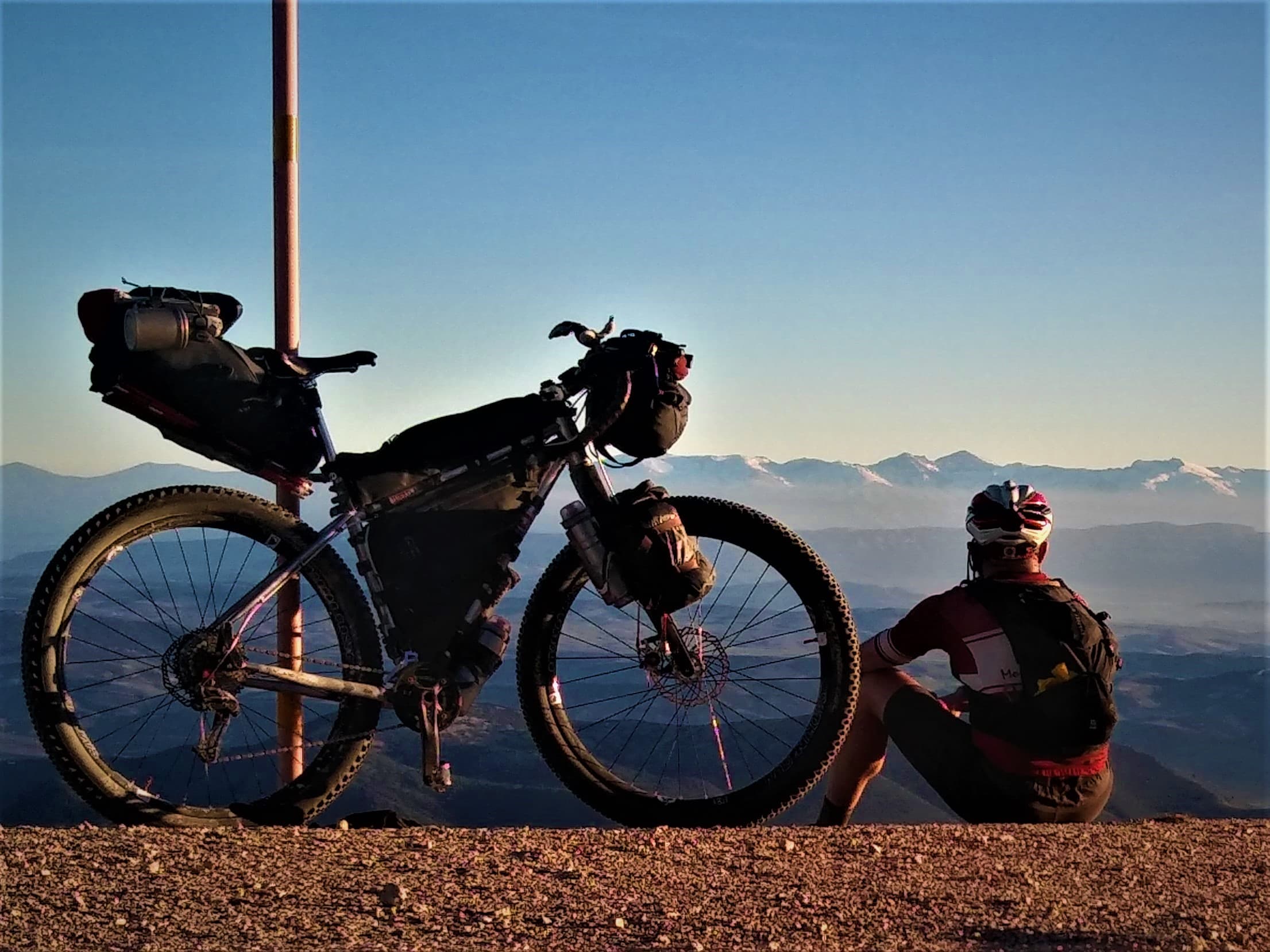
There is a kind of richness that cannot be put on a wall, or stored in a garage, or deposited in a bank.
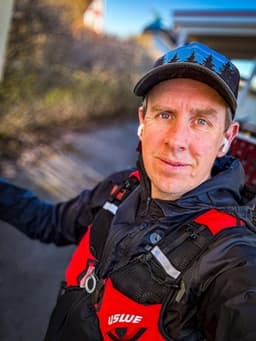
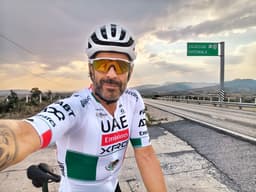
Stefano Scapitta has spent thirty years looking for it — on gravel roads and mountain paths, in the silence of the Andalusian plains at fifty degrees and in the snow of the Sierra Nevada at minus ten, through valleys with no names on any map and villages so small they appear to have been forgotten by everyone except the people who live in them. He has found it, repeatedly, in the most improbable places. And every time he has found it, it has looked the same: a landscape he did not know existed, a road no algorithm would ever suggest, and the particular feeling — impossible to describe to anyone who has not experienced it — of being not a person looking at a beautiful place, but a person who has become part of it.
He calls it, in the quiet way he has of naming things precisely, having everything while possessing nothing.
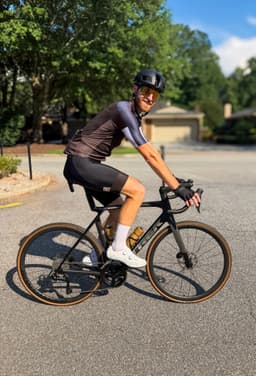
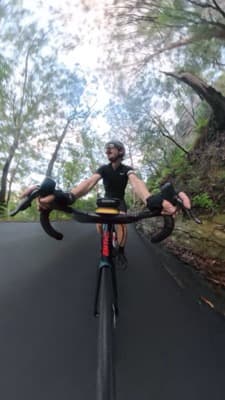
The bicycle, he will tell you, is how he gets there. Not a vehicle. Not a piece of equipment. A discovery tool — perhaps the finest one ever made — for the kind of experience that stays in the soul long after everything else has faded.
“The bicycle is a work of art in service of movement. Riding is revolution.”
The Return
For fourteen years, from 1993 to 2007, Stefano Scapitta raced mountain bikes in the hills around his home in Valenza, in the province of Alessandria, in the southern heart of Piedmont. He was good at it. He won races, accumulated technique, learned how a body behaves under pressure on rough terrain. The fuoristrada, the off-road, became his natural habitat — not just a surface to race on but a way of reading the world, the body constantly negotiating with the ground beneath it, finding its own line.
Then the racing stopped. And with it, for a few years, almost everything else.
He describes the period that followed with characteristic honesty — a time of oblivion, of missing direction, of a life that had lost the particular purpose that competition provides. The bicycle was still there. But the reason to get on it had gone somewhere he couldn’t quite locate.
What brought it back was a friend.
His name was Davide. In the winter of 2012, he suggested a simple thing — they would take a boat to Barcelona, circle the island of Mallorca together, and then ride home along the Mediterranean coast. No race. No time. No result at the end. Just two friends, the road, and whatever the road had to offer.
Stefano went. And everything changed.
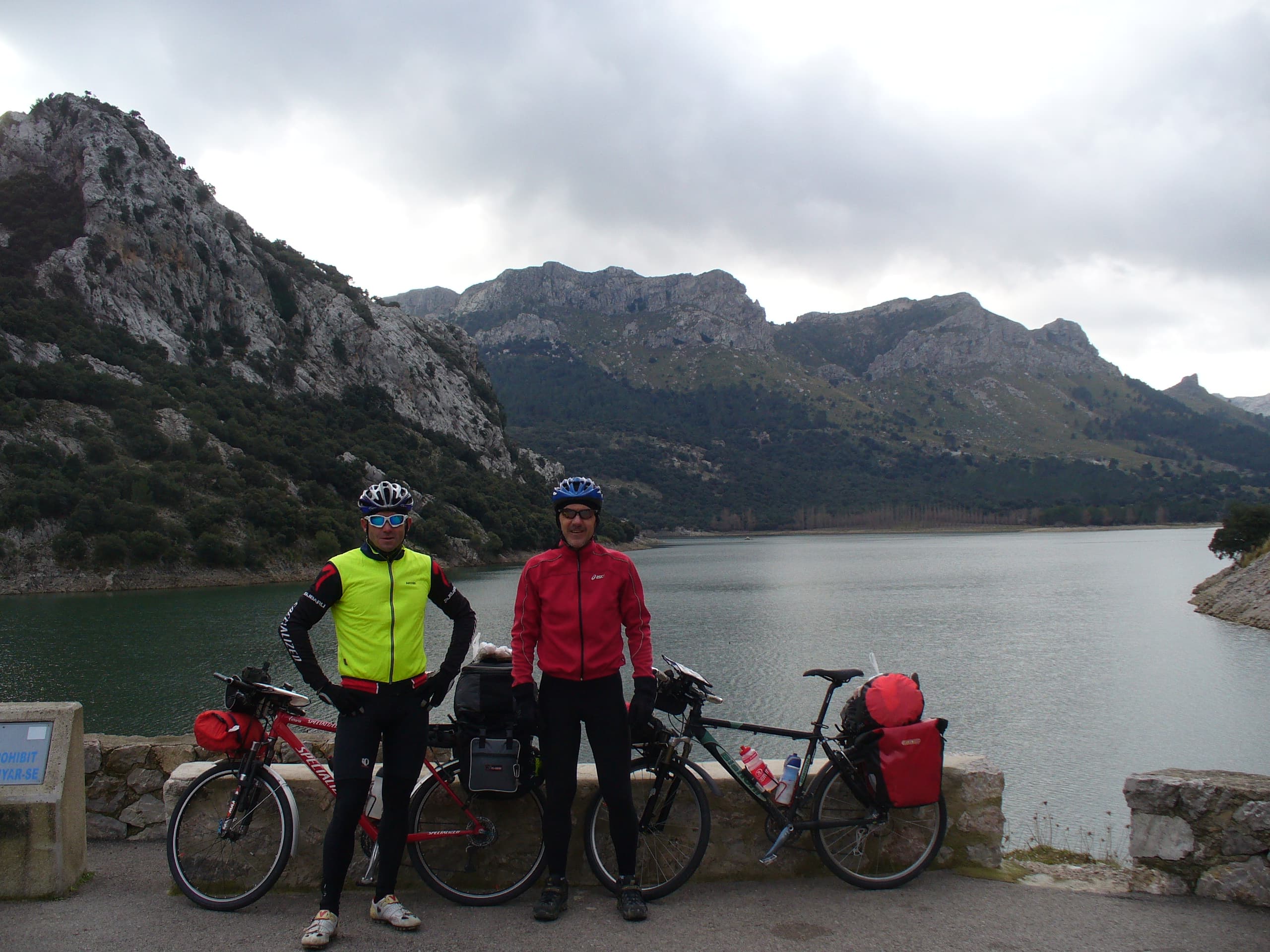
What he discovered was not a new sport. It was a new relationship with the one he already knew. When you race, you look for gaps, for time, for advantage. When you travel, you look at everything else — the light on a hillside at a certain hour, the color of the dust on a particular road, the way a small village appears around a bend as if it had been waiting there specifically for you. “Slower,” he says simply. “More intimate.”
He has never forgotten what Davide gave him that winter. A man who finds the right moment to suggest the right journey to a friend who has lost his way is giving something that cannot be repaid — only passed on. What Davide brought back was not just cycling. It was the thread of meaning that Stefano would spend the next decade and more pulling further and further into the world.
The Immense Journey
After that first winter trip with Davide, Stefano began traveling alone. Through Italy, then Spain — always off-road, always on routes he designed himself from long evenings at the computer, tracing lines through terrain that no guidebook had described, finding paths between places that didn’t appear in any list of destinations.
He was not looking for famous places. He was, very deliberately, looking for the opposite.
In the summer of 2015, Davide was supposed to cross the Pyrenees with him. Two months before departure, he couldn’t go.
Stefano faced a simple choice: cancel, or go alone. He chose to go alone. And then, somewhere in the weeks between the decision and the departure, the journey grew larger in his mind. Why cross only the Pyrenees, he thought, when you could leave from home?
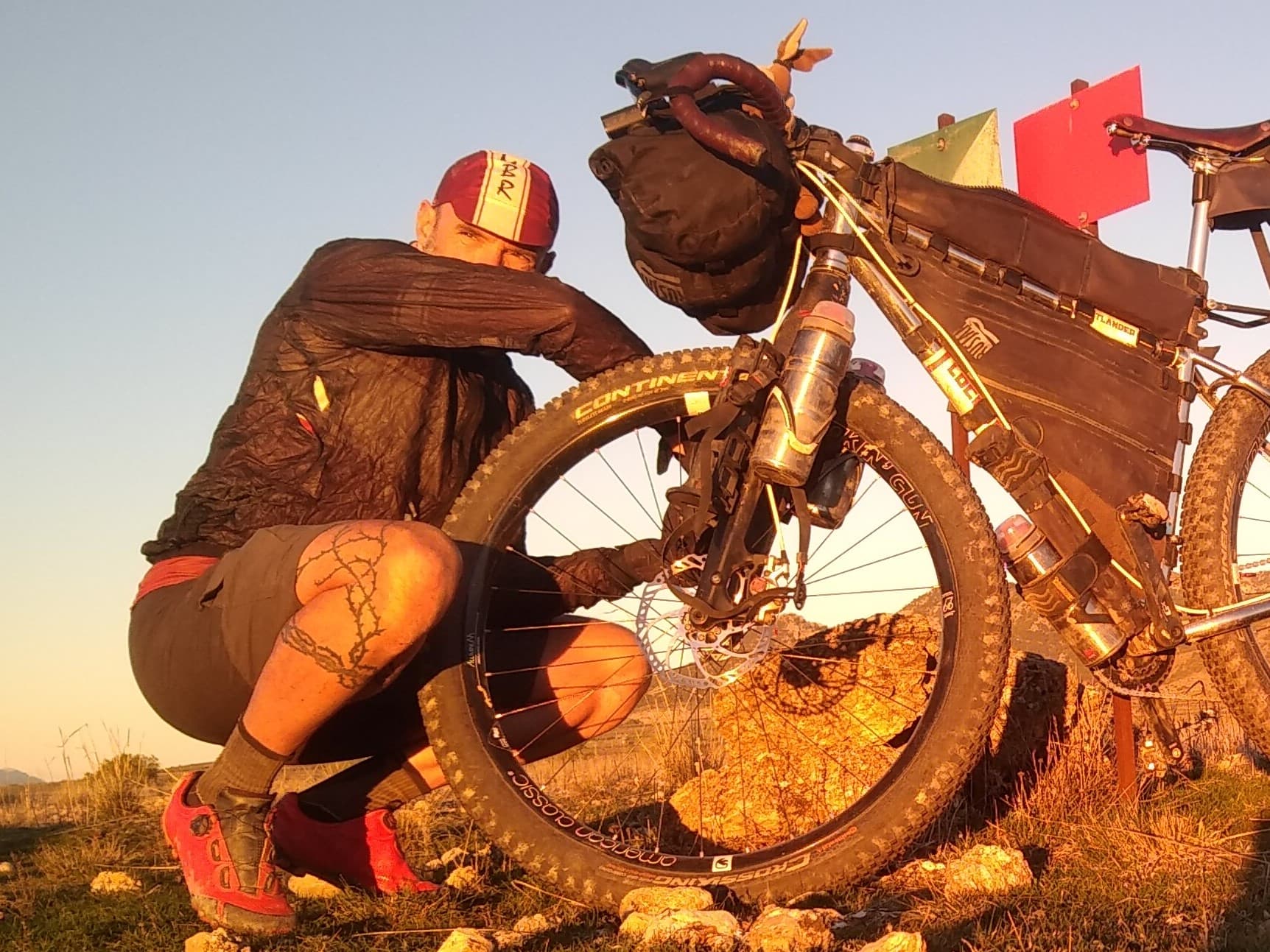
One morning, he closed the door of his house in Valenza behind him and began riding west. The tent was strapped to the frame. Everything he would need for almost a month was on the bicycle. He had no support vehicle, no crew, no safety net beyond his own experience and what he carried.
He crossed the Alps and descended through France, riding day after day on unpaved roads through landscapes that barely registered on any tourist map. He arrived eventually at Cadaqués — a whitewashed Catalan village perched on the easternmost tip of the Iberian Peninsula, where the mountains of the Pyrenees exhaust themselves into the Mediterranean Sea. It is a place of dramatic cliffs and wild coastal light, beloved by Salvador Dalí, who lived just across the bay and spent his life painting what the Tramuntana wind and the sea did to its rocks and colors. Stefano arrived there not by coast road but from the mountains above, on roads of his own design.
From Cadaqués, he turned west and followed the entire Pyrenean chain — the spine of those mountains from the Mediterranean coast of Catalonia all the way to the Atlantic shores of the Basque Country. He rode on gravel tracks and ancient paths, crossing the range from sea to sea, until he arrived finally at Hondarribia, a small walled Basque town where the Bidasoa river meets the Bay of Biscay, and the Atlantic opens in front of you like a revelation. There, the Pyrenees are finished. The continent ends. The ocean begins.
Then he turned around and rode home.
The total: 3,700 kilometers. 56,000 meters of elevation gain. Twenty-nine days. Alone, with a tent, on an old bicycle with panniers.
“That journey left me two things: the certainty that on a bicycle I could go anywhere in the world, and the knowledge that from that day forward I would travel on unpaved roads.”
He came home through the Alps and arrived back in Valenza — the same man who had left, in most of the ways that could be counted, and entirely different in the ones that could not.
The Unconventional Road
Effort is the currency of wonder.
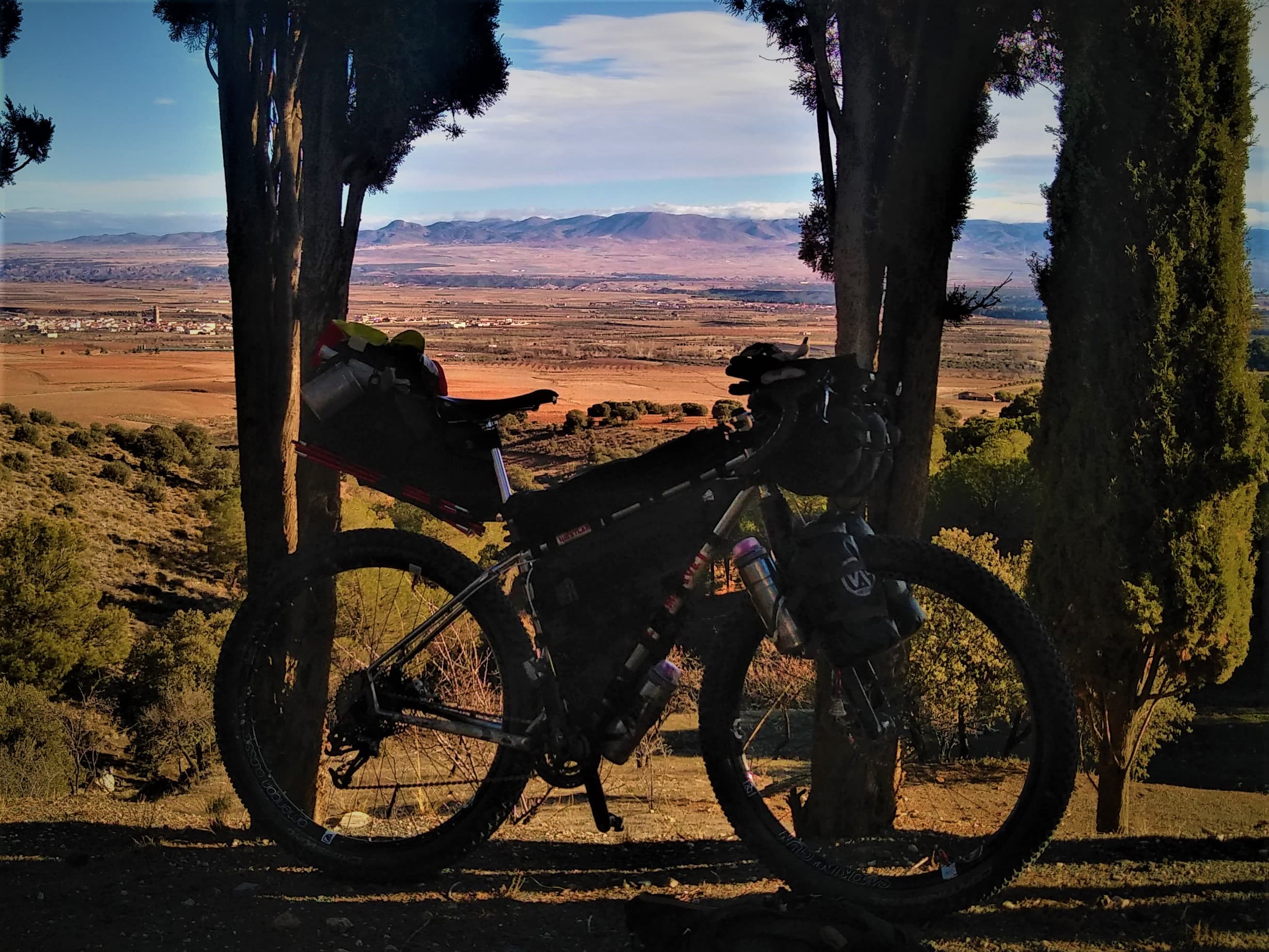
Stefano has tested this belief across decades and across countries — in the Apennines of central Italy, in the empty interior of Spain that the Spanish themselves call España vacía, in the mountains of Portugal, in Laos, in the dust and silence of places whose names he had never encountered before he arrived in them. Each time, the formula has held. The harder the road, the more beautiful where it leads.
His philosophy is built around a specific resistance: the resistance to delegation.
He will not follow someone else’s track. He will not let an application tell him where to go. In a world where navigation software channels everyone onto the same surfaces and into the same places, he draws his own lines — on maps, on screens, in long winter evenings spent cross-referencing terrain data and satellite imagery and the accumulated memory of roads he has already ridden.
“We cannot allow software to create our road for us. In a world where every corner of the earth has supposedly been discovered, the cycle traveler has the opportunity to rediscover roads, places and territories both near and far.”
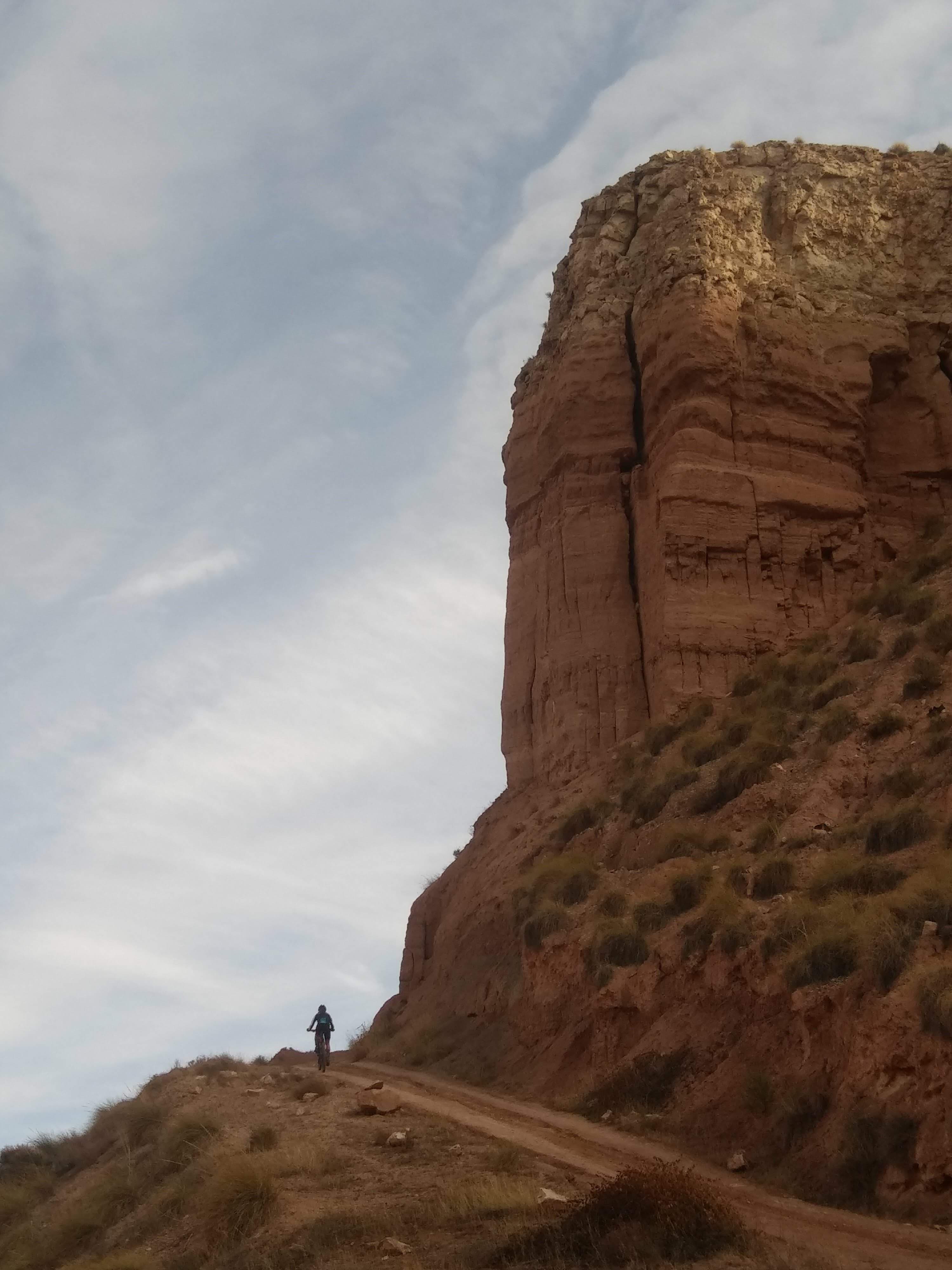
In 2023, he designed a route that would traverse the entire length of the Italian Apennines — the mountain spine that runs through the center of the country from south to north. He flew to Bari and rode first to Matera, the ancient cave city of Basilicata, one of the oldest continuously inhabited places on earth, its pale stone sassi carved directly into the hillside as if the landscape itself had decided to become architecture. From Matera he turned north and began climbing.
He gave himself two rules: at least one-third of the route must be unpaved, and every village he passed through must be one he had never heard of before.
The journey that followed was an unknown and marvelous Italy — a country of dialects and perfumes and flavors entirely absent from the news cycle. Villages that existed outside of time. Landscapes that no one was photographing, because no one knew to look for them. Roads of stone and dust and packed earth that ran between vineyards and sheep pastures and small medieval churches with unlocked doors.
“There are places you arrive at by chance, that appear to you suddenly, and from those places you never truly leave — because something of you will remain there forever.”
That journey cemented his conviction to the point where it became bone. The unconventional road always leads somewhere worth going. He has never chosen the shortest route. Never the easiest. Always the most beautiful — knowing what that choice costs, and knowing it is worth every kilometer.
“Effort is the currency you pay for wonder.”
What the Bicycle Gives
Walter Bonatti was perhaps the greatest Italian mountaineer of the twentieth century — a man who climbed alone, in winter, on faces that other climbers considered impossible. He wrote about mountains as if the experience exceeded ordinary language, as if what happened on a high ridge required a different kind of sentence to survive the descent.
Stefano has read him closely, for decades.
“There are no mountains that belong to you. But your experiences on those mountains — those no one can ever take from you.”
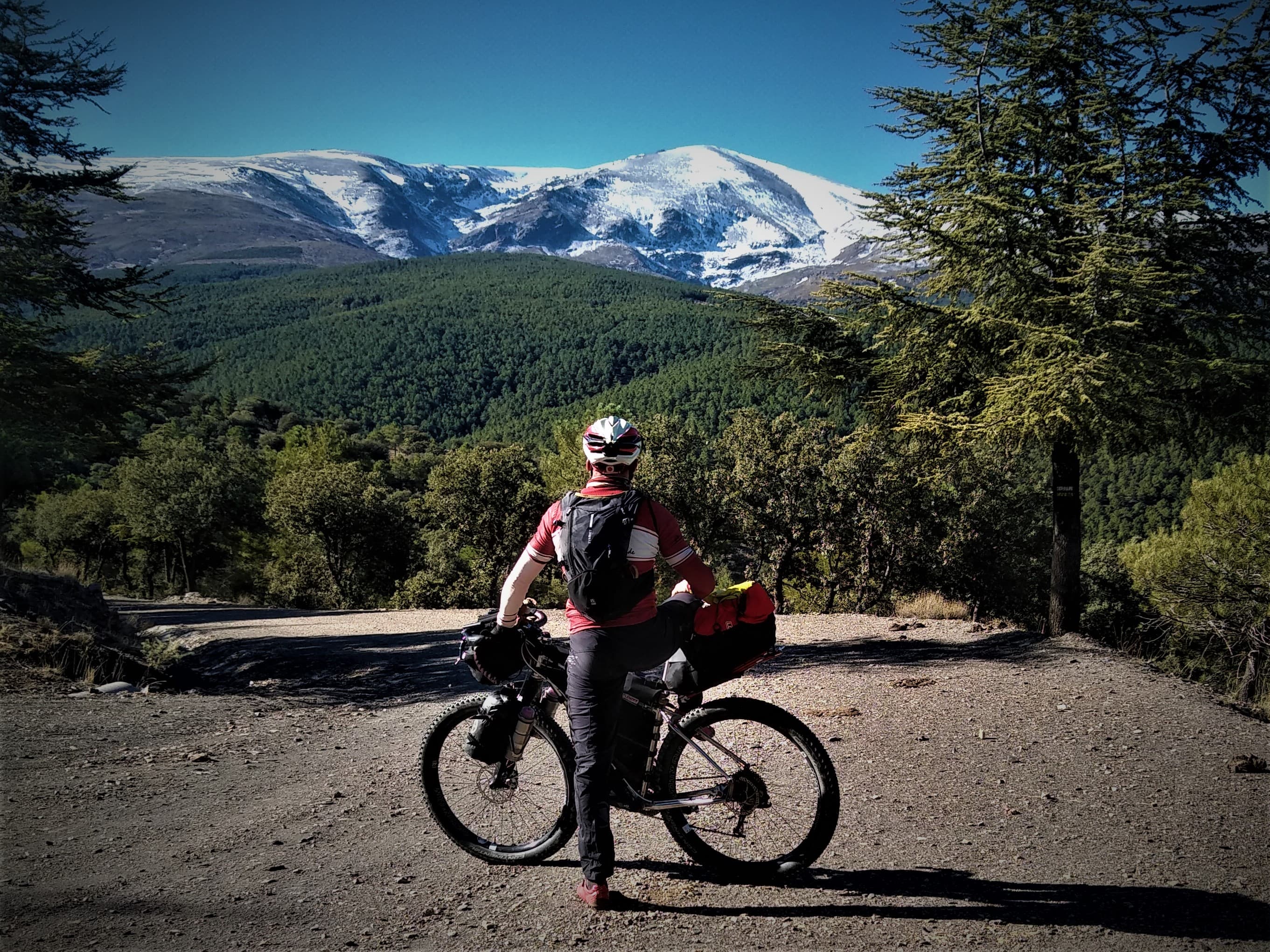
Stefano has applied this to roads. There are no roads that belong to him. But what happened on those roads — in the heat of the Andalusian plains, in the Sierra Nevada snow, in the unnamed valleys of the Apennines where the only sound was wind and the only witness was the landscape itself — those belong to him completely. They have calcified into memory. They have become permanent.
He describes something that happens to him sometimes, unexpectedly, when he arrives before a landscape he did not know existed. He is riding, and then he stops, and the tears come without warning. Not from sadness. Not from effort. From something closer to happiness — from the overwhelming recognition that this place is real, and that he found it, and that it found him.
“I was not there to observe the landscape. I felt I had become part of it. And in those moments I realized I had everything, without possessing anything.”
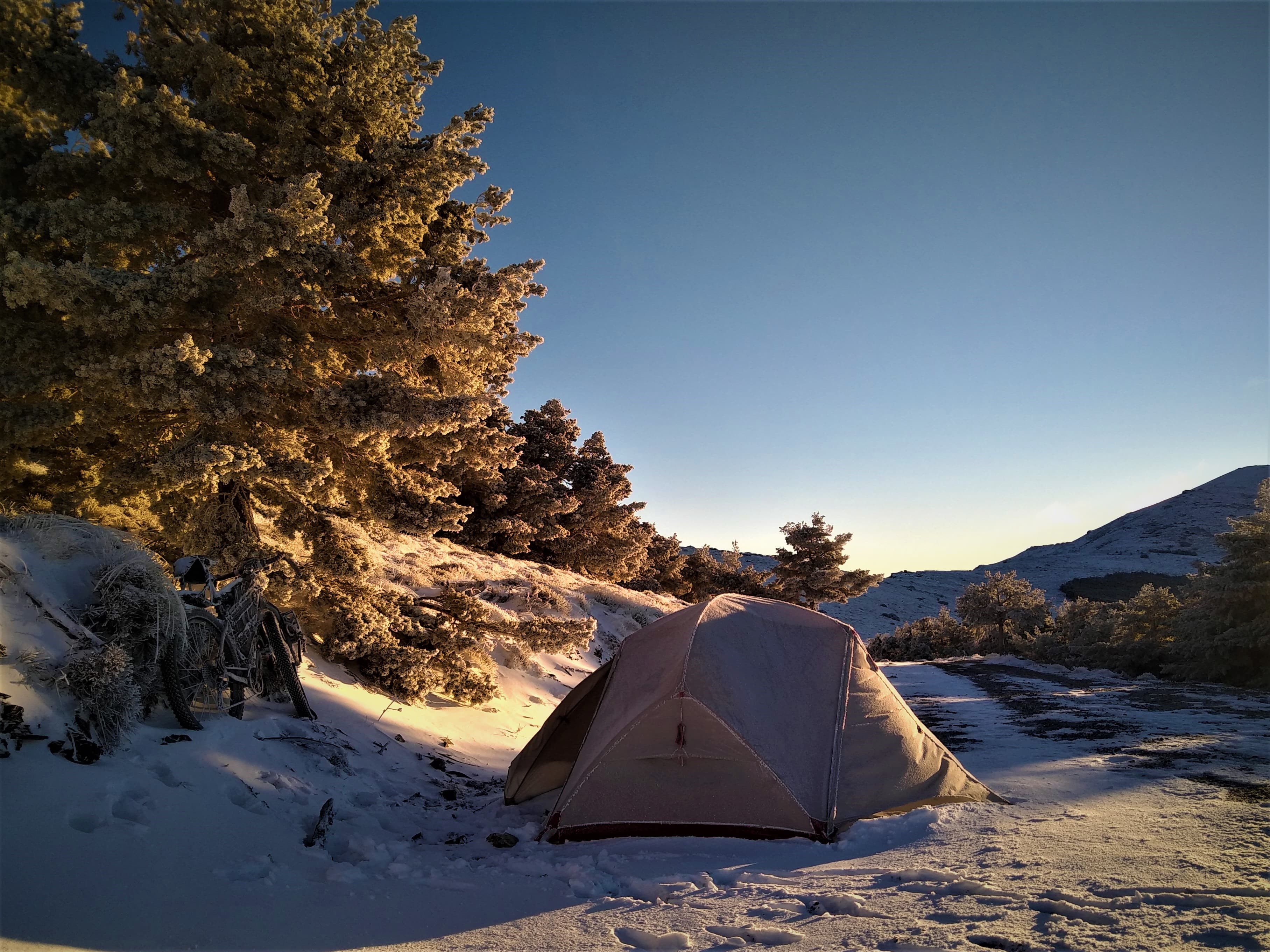
Having everything while possessing nothing. That is the gift the bicycle gives him that nothing else in life can replicate. Not arrival. Not speed. Not conquest. Something quieter and more permanent — the sensation of belonging completely to a moment, on a road nobody else is riding, in a place nobody else thought to look.
“Freedom is found in nothingness.”
Treville
If someone came to Monferrato for the first time and had one day to ride with Stefano, he knows exactly where he would take them.
He would take them to Treville.
It is a village of fewer than three hundred people, perched on the highest point of a hill in the heart of Monferrato Casalese, with the Church of Sant’Ambrogio standing above everything else on a promontory called La Rocca. From its square, the view opens in every direction — across the rolling, vine-covered hills, across the Vercelli plain, and on the clearest days, all the way to the full arc of the Alps on the horizon. The village is known, simply, as the balcony over the Alps.
Stefano has ridden the roads of this territory for more than twenty-five years. He knows the vineyards and the castles and the hidden valleys. He knows where the light falls in October. He knows which bend reveals which view.
From the square at Treville, the Monferrato announces itself completely. And Stefano, who has ridden across Europe and Asia, through Italy, Spain, Portugal, France, and Laos, and along the spine of two mountain ranges, still believes there is no better place to begin.
The Gift of the Unconventional Road
The name came first.
“Esco a Fare un Giro” — “I’m going out for a ride” — is a phrase that carries more than its words. It implies a pause, a breath, a stepping away from routine. It suggests freedom without a destination. It sounds like something you say before something interesting happens.
Stefano used it first as the name of a Facebook page, a place to gather photographs and thoughts from years of travel. The phrase had always appealed to him for its lightness, its openness, the way it declined to specify where you were going or why.
Years later, on a gravel ride he organized through the Monferrato hills, a participant named Alessandro got to talking with another rider about his work. Alessandro, it turned out, was a web designer. Stefano, who had been thinking about building a proper website, introduced himself.
They had met, as Stefano says with characteristic pleasure, going out for a ride.
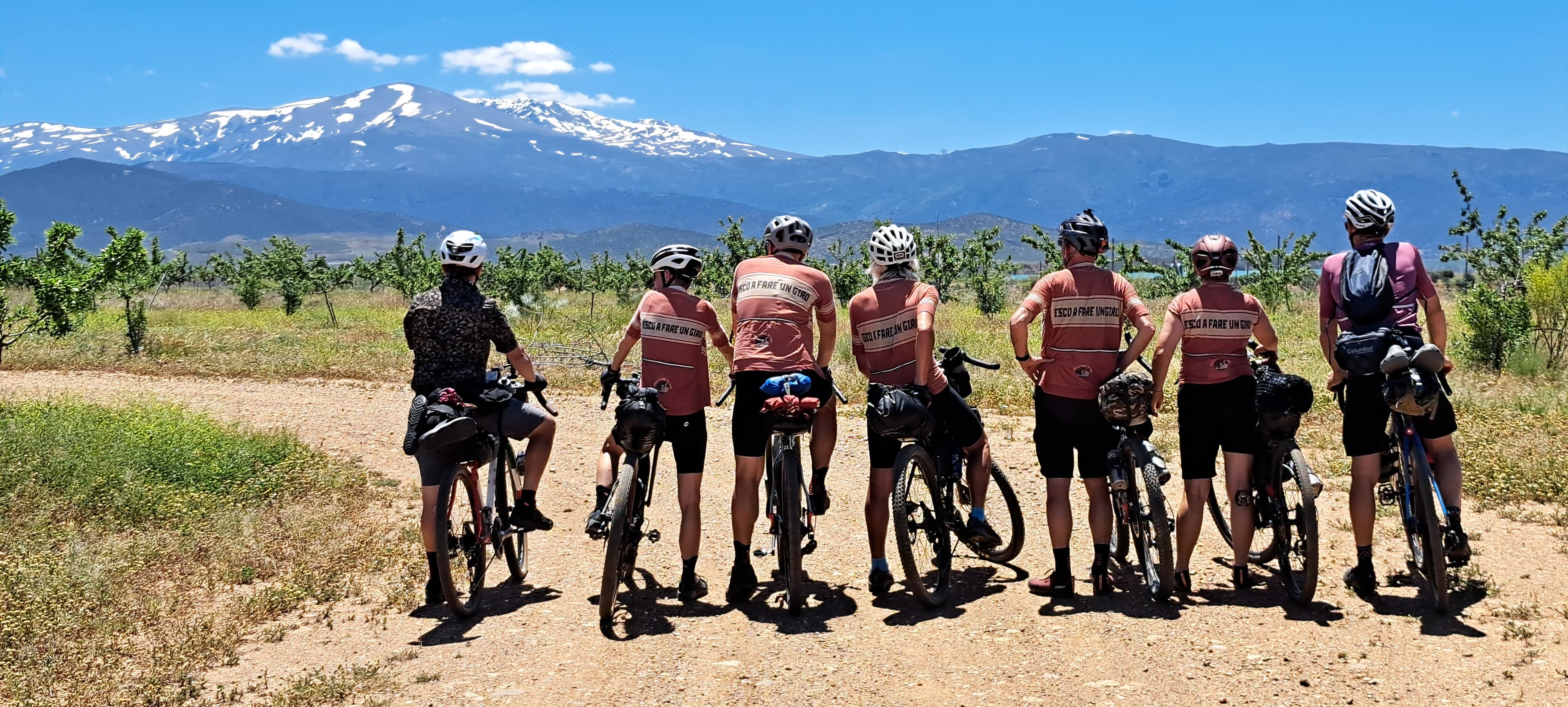
The website they built together became the home for everything that followed. Free GPX tracks for the Monferrato and beyond — 300 kilometers of the Monferrato Gravel Traverse alone, more than 250 of them on unpaved surfaces, through vineyards and river plains and the rural interior that exists far from any tourist brochure. Anyone who wants to ride the roads Stefano has spent decades discovering can download them and go. The tracks, he is careful to say, are not instructions. They are starting points. The rider is expected to make them their own.
From 2025, Esco a Fare un Giro — “I’m going out for a ride” — became something more. Stefano began leading bikepacking journeys — in Sardinia, in Liguria, in the Piedmontese Alps, in the wild interiors of Spain and Portugal — always on routes he had designed himself, always off-road, always through the Italy and Europe that the guidebooks had never found.
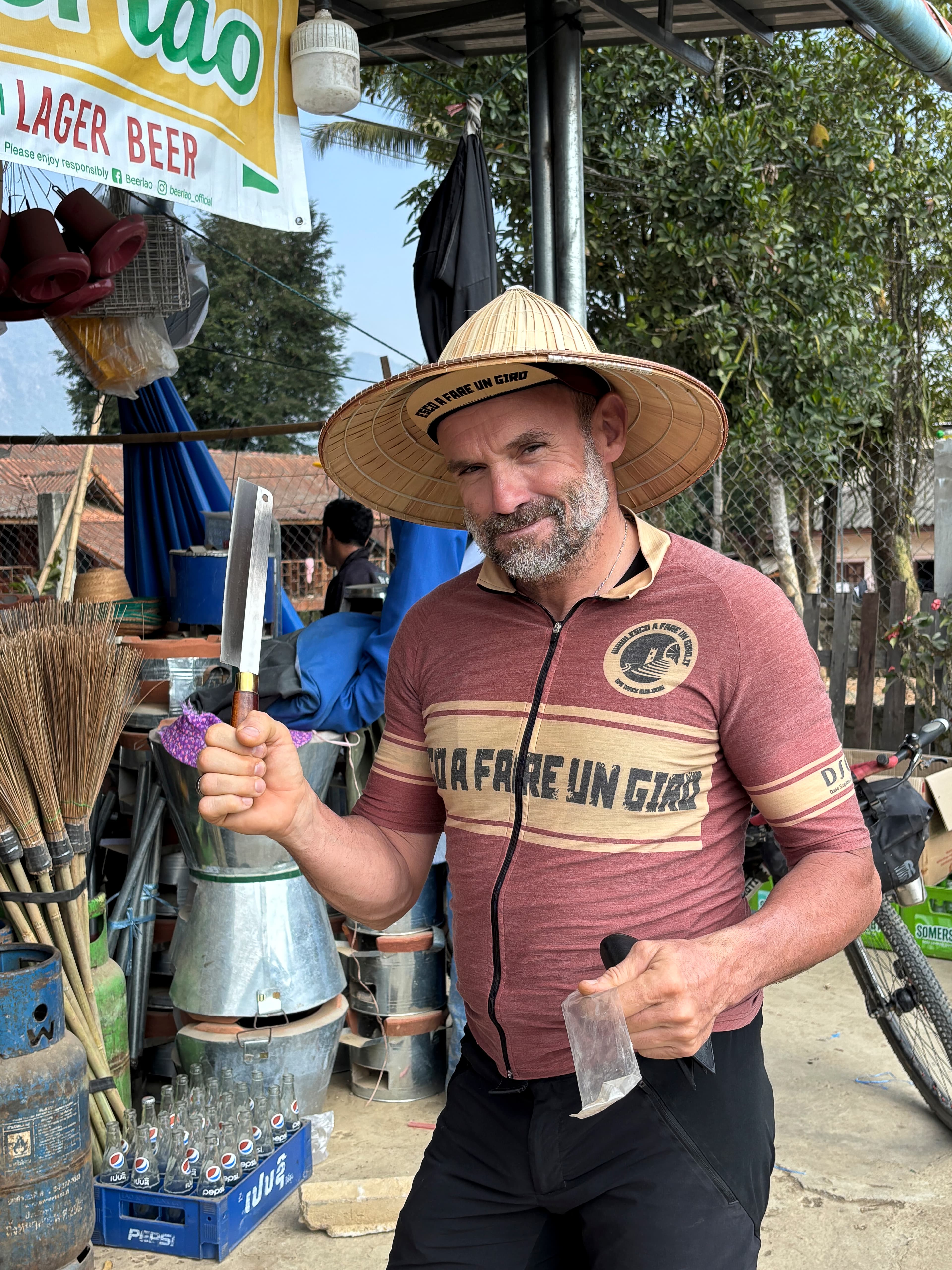
“Esco a Fare un Giro — I’m going out for a ride — is now my journey. Perhaps this is my most beautiful journey of all — still ongoing.”
One Hundred and Seventy Thousand Kilometers
There are 170,000 kilometers behind him now. Half of them on unconventional roads.
He has slept in a tent beside mountain lakes at 2,500 meters and under Andalusian stars in the dry summer heat. He has pedaled through places so remote they had no cell signal and no visitors and no awareness of being remarkable. He has cried, more than once, at landscapes he did not know existed.
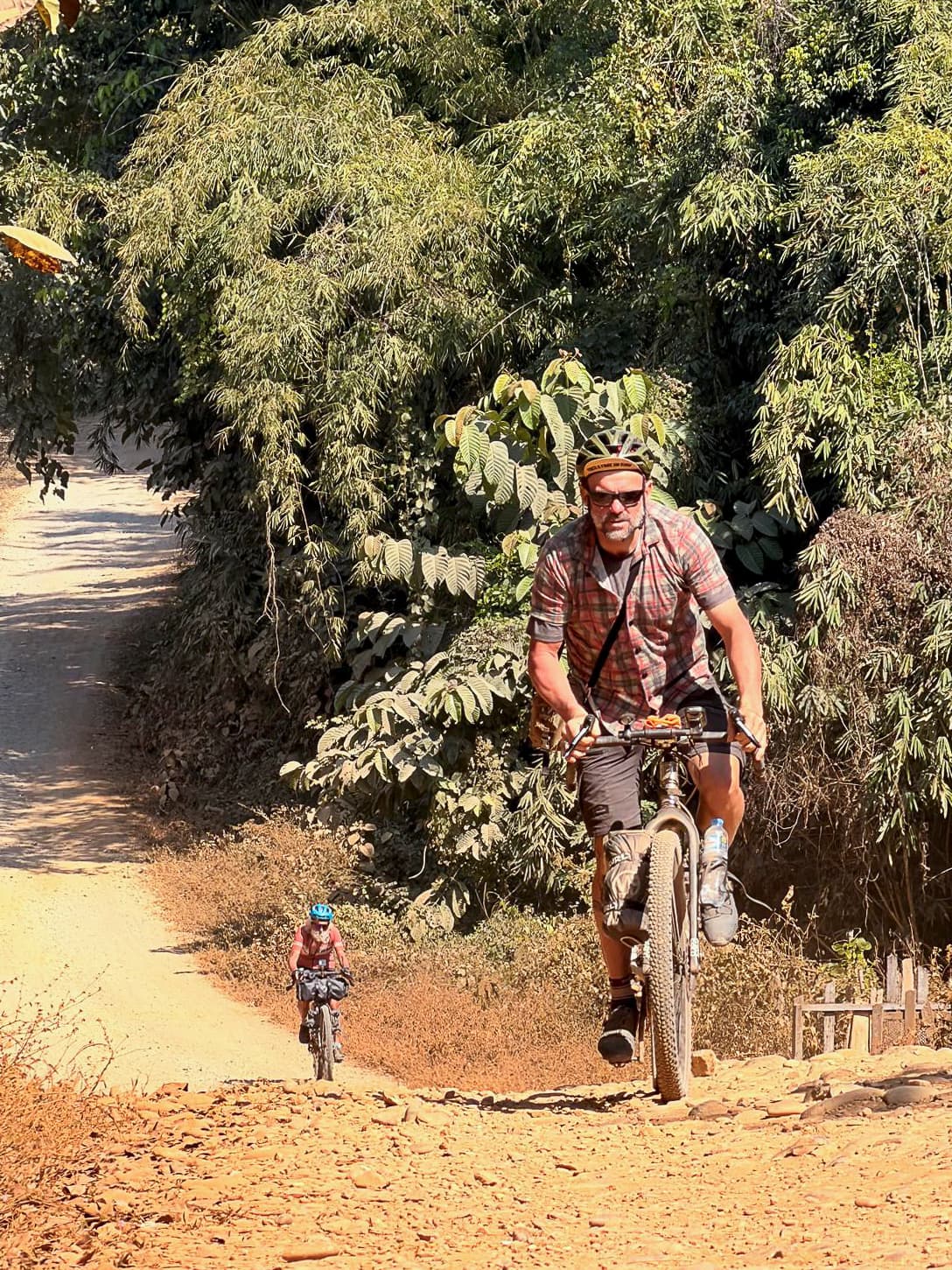
The bicycle, he writes, impoverishes us — but only of useless things. It strips away the noise, the accumulation, the false urgency of ordinary life. What remains — when speed slows down, when data becomes superfluous, when the destination no longer matters — is what has always been real. The road. The effort. The silence. The self.
“This wealth cannot be hung on a wall, placed in a garage, or deposited in a bank. It cannot be stolen. It will remain in our soul forever.”
The extraordinary feeling of having everything while possessing nothing cannot be bought, stored, or owned.
It can only be sought, hoping to find it, through choices that allow no discounts.
One unconventional road at a time, letting sweat be rewarded by sublime beauty.
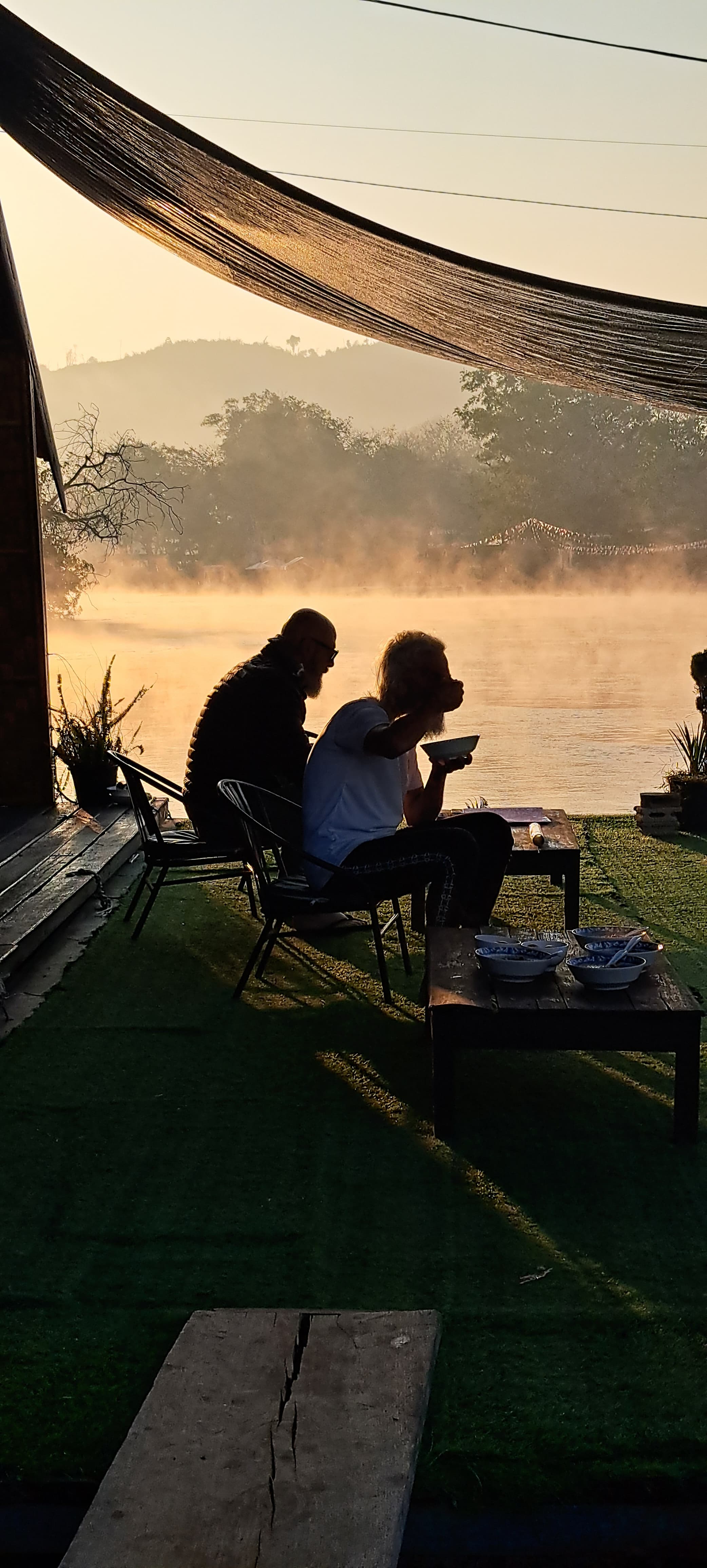
To Davide, and his smile. He is always traveling with me now.
Follow Stefano on Instagram: @esco_a_fare_un_giro
Discover his GPX tracks and bikepacking journeys: escoafareungiro.it
Sport the World — Powered by Local Athletes.
Keep reading
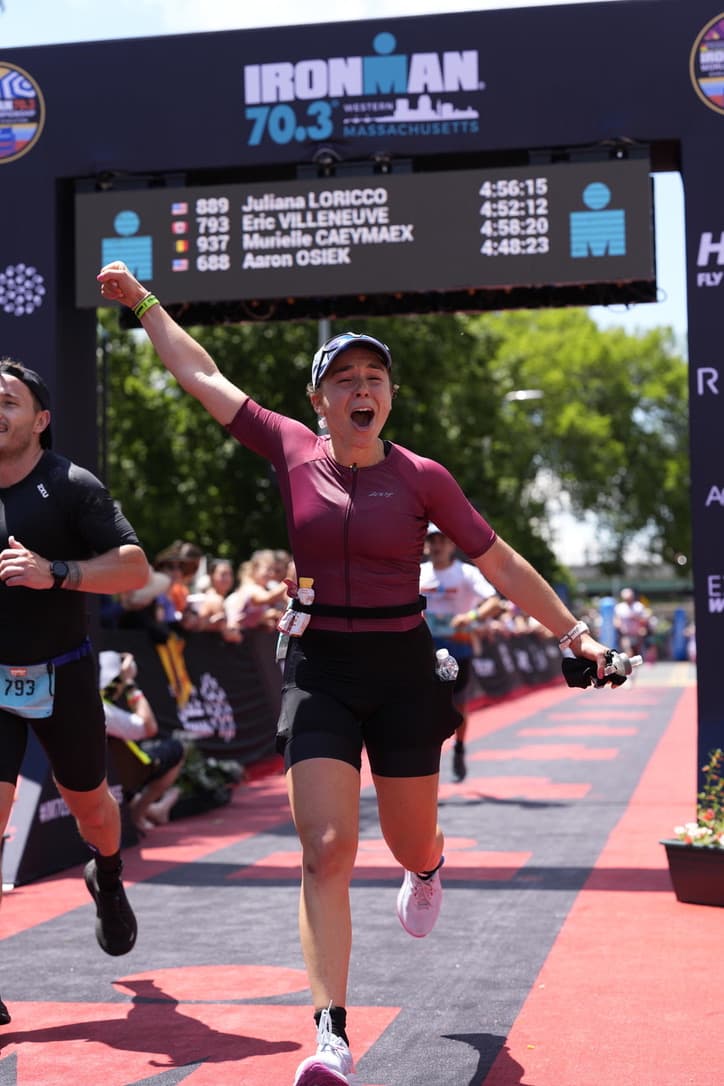
Running in Purple
A Law Student’s Journey Beyond the Finish Line.
How to Watch the Tour de France 2026 in Person: Barcelona to Alpe d'Huez
A practical guide for destination-athletes joining the Tour de France roadside — the stages worth travelling for, where to stand on Alpe d'Huez and in the Pyrenees, how to time a trip around the race's three-week geography, and what the experience actually delivers.
Race the Route: Riding the Col du Tourmalet Like the 2026 Tour
The 2026 Tour's first hors catégorie climb is a bucket-list ascent for any cyclist. Here's how to ride the Col du Tourmalet yourself — the numbers, the two approaches, and why you should do it with a local.
More athletes on the map
See all →