Where Strength and Technique Converge.
By ZealZag Team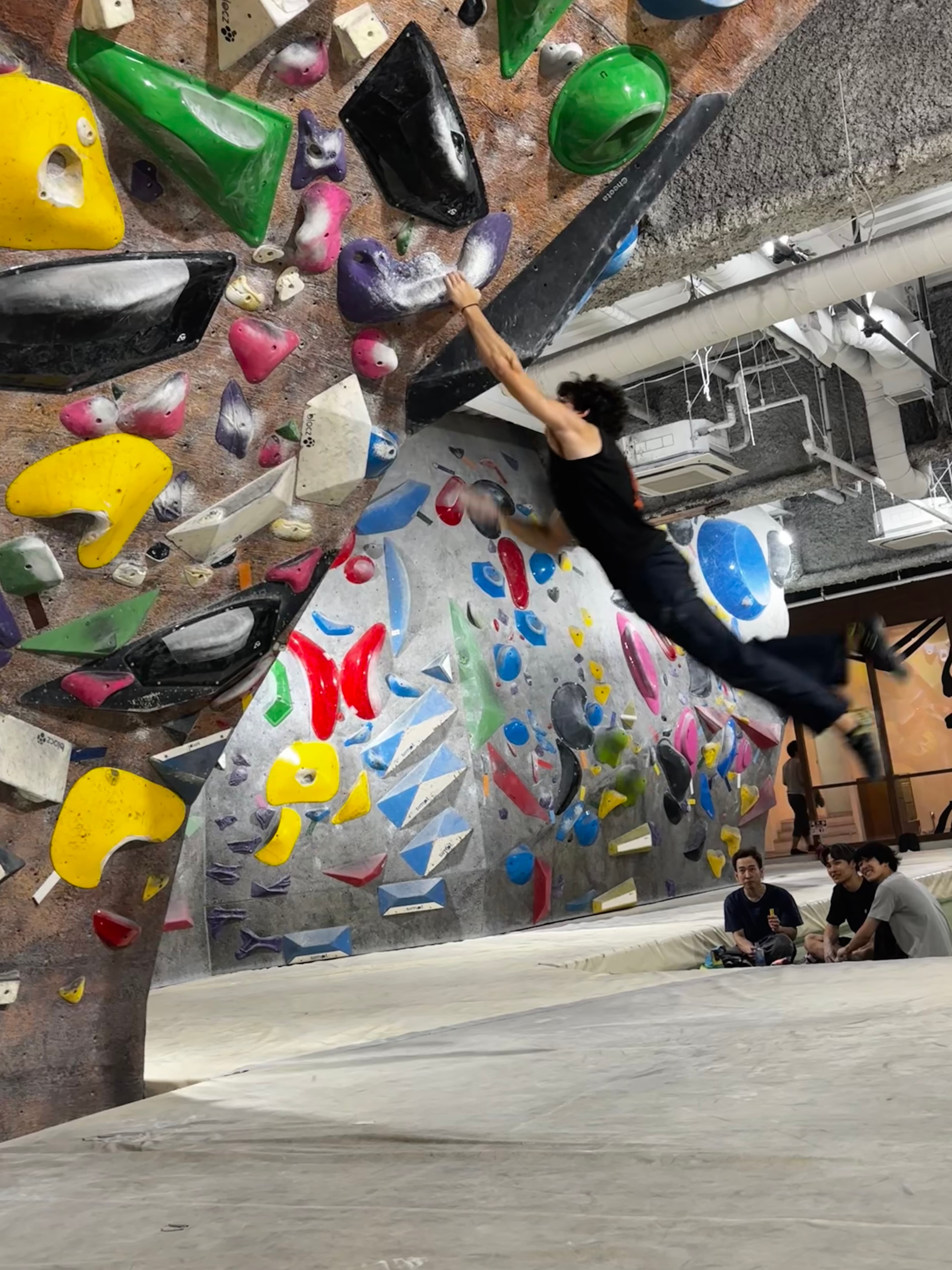
Most people walk into a climbing gym and walk out with sore forearms and a funny story. Matias walked in and never really left.
"I went once and was instantly hooked," he says of his first session at a new gym in Miami, dragged there by a friend on what felt like an ordinary day.
Then came the thought that would define everything that followed:
I wanted to get better as fast as possible.
One Year. V9.
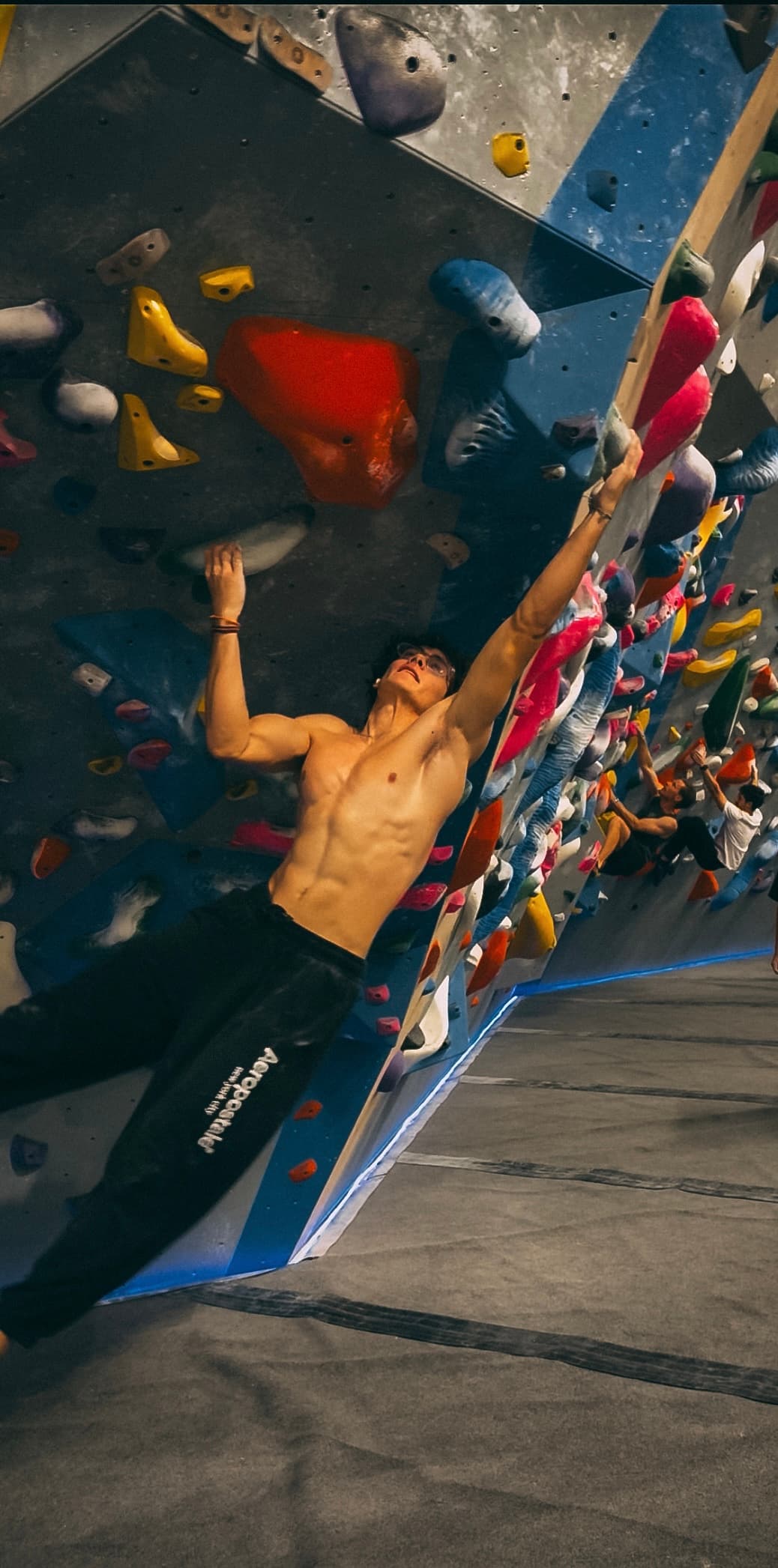
To understand what Matias accomplished in twelve months, it helps to have context. V9 is not beginner territory. It is not intermediate territory. Reaching it in roughly a year is a pace that would turn heads in almost any climbing gym in the world.
“It has definitely been a grueling year," he says. "Lots of hours put into the gym and days where it felt like I was making no progress.”
The antidote, he found, was not motivation. It was consistency.
“I knew if I kept showing up, I would make progress. So that's what I did — lots of hours on the hangboard, the kilter board, and weight lifting. Consistency is what got me to where I'm at. I have no plans of stopping.”
For Matias, the grade mattered less than what it represented: proof that the hours had become something tangible. And the competition results confirmed it. Within months of starting — before he had even completed a full year of training — he placed second at an advanced open competition. For someone still learning the sport, it was a signal that the system was working.
Miami: Four Walls and a Dream
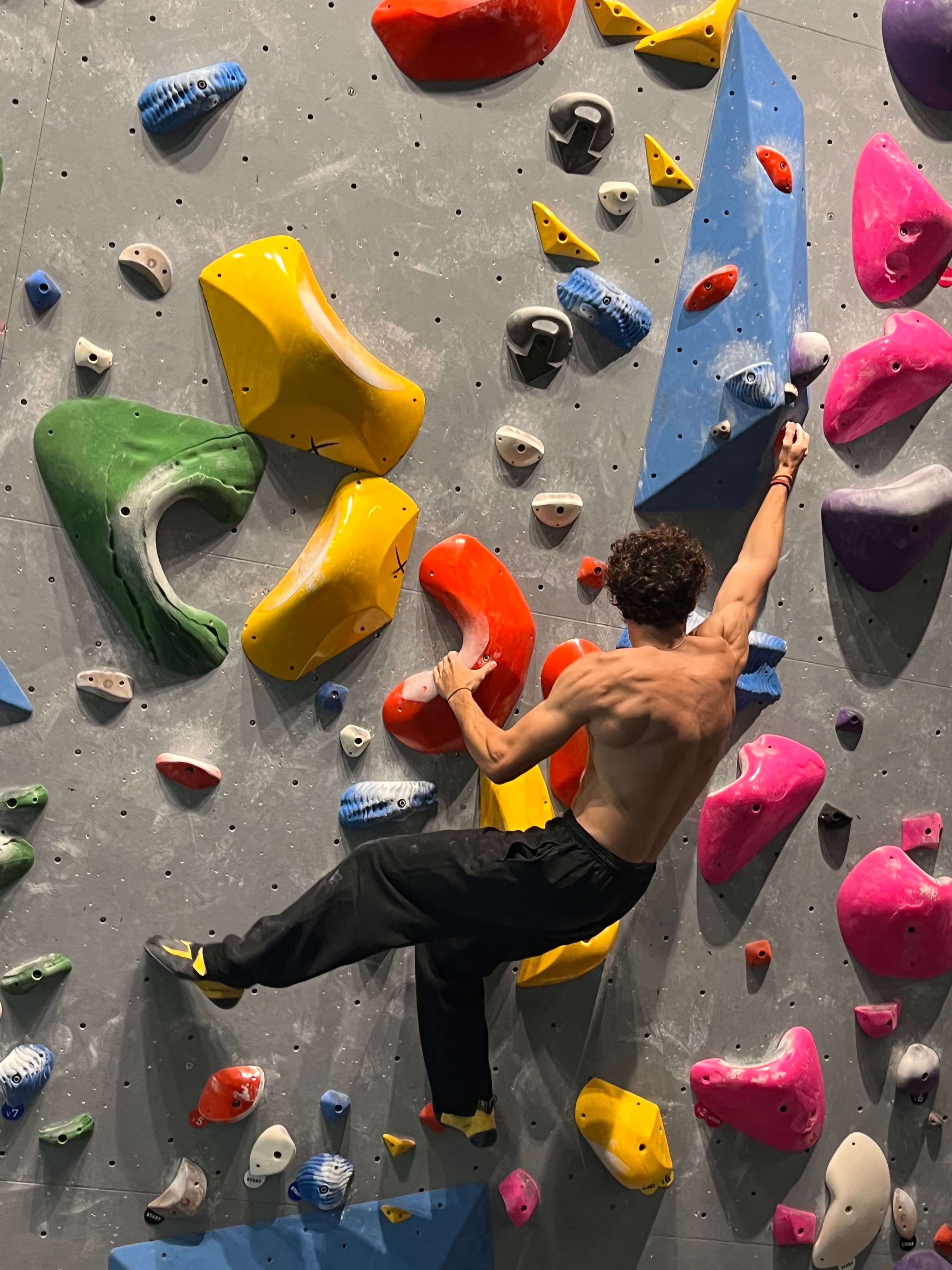
Miami is not exactly climbing country. There are no mountains, no natural rock formations, no crags within driving distance. The closest real outdoor climbing destinations are hundreds of miles away — Rocktown in Georgia, Horse Pens 40 in Alabama, Foster Falls in Tennessee. For Miami climbers, those are road trips, not Tuesday evenings. The city's climbing community lives and trains almost entirely indoors, inside the handful of gyms that serve as both training ground and social hub.
That is where Matias built his entire game — four walls, artificial holds, and the kind of focused indoor work that leaves no room for excuses. When he travels, he finds a way to keep climbing wherever he lands. The gym is always the anchor.
Which makes what he accomplished in one year even harder to ignore.
The Trap of Strength
There is a story every serious climber tells on themselves. The early days, when raw power feels like the answer. Pull harder. Train harder. Get stronger. It works — until it doesn't.
Matias lived that story.
“I myself used to be a strength-is-all-that-matters guy," he admits. "But as soon as the grades started getting harder, I started to realize just how important technique is — and how much catching up I would have to do.”
“Strength is all that matters. Technique is all that matters. NO. Technique allows strength and strength allows technique. Stop making excuses to not improve technique or not improve strength. YOU NEED BOTH EQUALLY.”
He shares that lesson openly with newer climbers — not as advice, but as a confession. A shortcut he wishes someone had given him sooner.
The Board
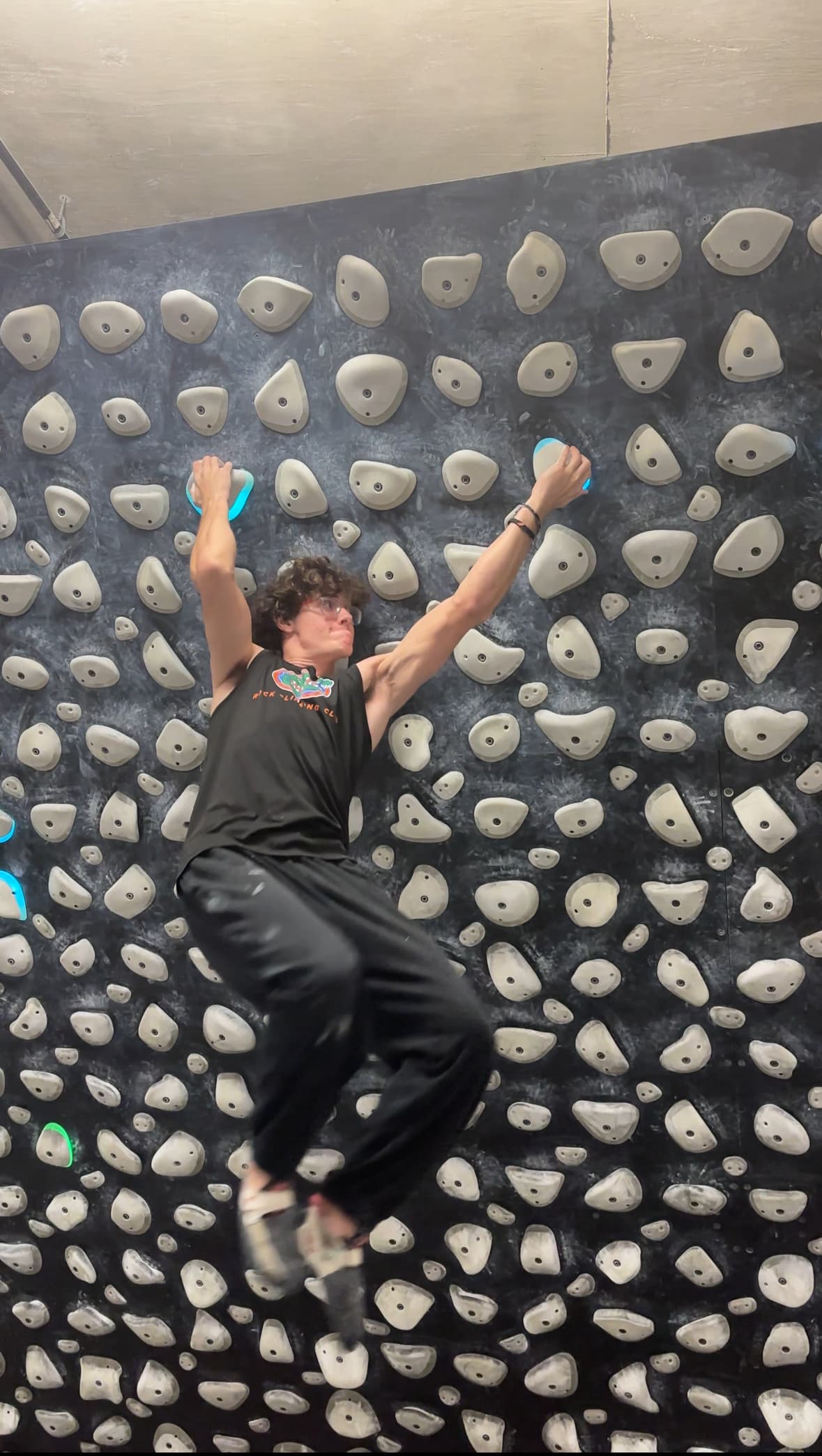
If you ask Matias what tool made the biggest difference in his training, the answer is immediate: the board.
Kilter boards, hangboards, training boards — the kind of equipment that works your fingers to the point of failure, where every hold demands technique on top of raw strength, and where two hours of focused work can feel like a full day on the wall. The board is unforgiving. It exposes every weakness. And for that exact reason, it builds the kind of finger strength and technical precision that translates directly to harder grades.
For Matias, the board became the place where strength and technique finally stopped competing with each other. Every weakness showed up there eventually. Every improvement did too.
Bleeding at the Crux
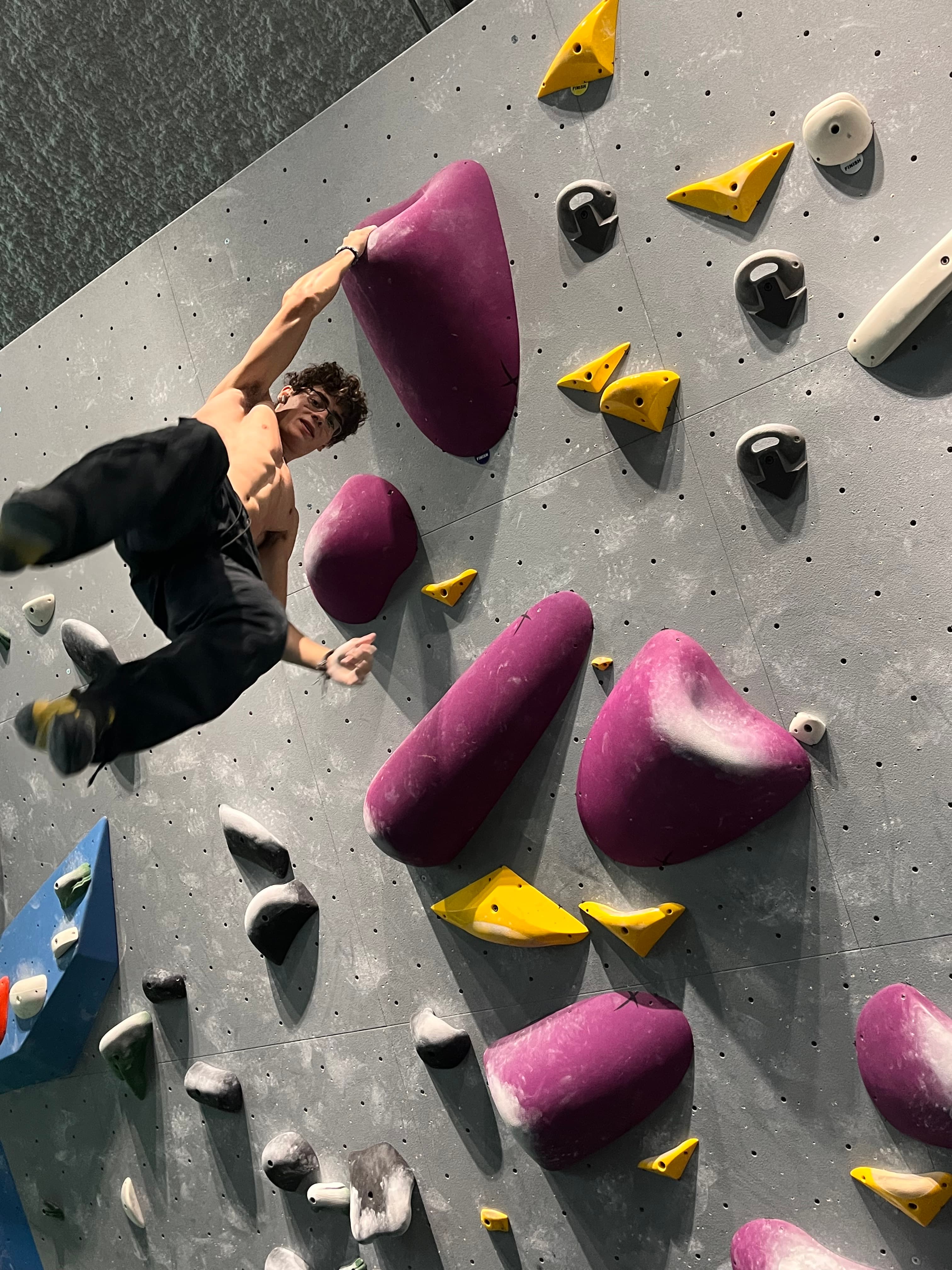
There is a moment in every hard climb where the body starts to negotiate. Matias hit the wall — literally — at the crux of his hardest send. His knee opened up.
He did not notice until it was over.
“Honestly, I didn’t even notice my knee was bleeding until it was done," he says. "I was hard focused on just keep trying as I felt everything coming together. Once the adrenaline wore off I started to feel my knee.”
What the Wall Teaches
Climbing, for Matias, is a mirror held up to everything else.
“It teaches me that if I'm determined, it's going to happen. No matter what, if I put my mind to it, I will make it happen. This only works if I'm passionate about it though — can't make me work for something I don't care about.”
Strength, technique, passion, consistency. Take any one away and the system collapses.
Still Climbing. Even in China.
At the time of this writing, Matias is traveling through China. Back home, a normal training session runs five to six hours. Here, with a different schedule and no home gym to anchor him, he climbs every other day for one to two hours — just enough to hold his level, not enough to push it.
“Once I'm back I have a lot of new training ideas on how to get better.”
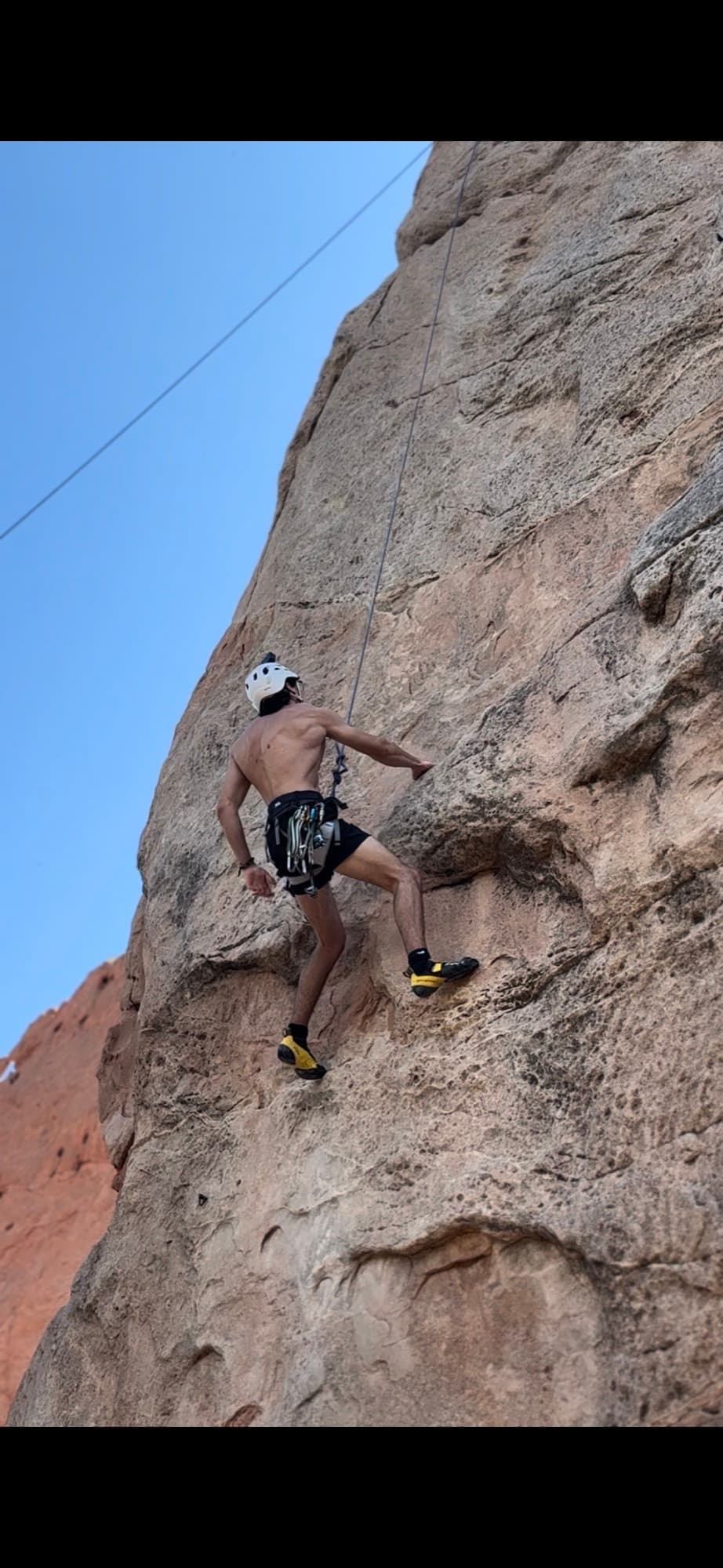
Even maintenance, for Matias, is a plan. And when he travels, something shifts — the gym walls give way to real rock, and the climber who built everything indoors finally gets to meet the terrain that started it all.
One Dream. One Forest.
Fontainebleau is not just another climbing destination. For many climbers, it is the birthplace of modern bouldering — thousands of sandstone problems scattered through a forest south of Paris, drawing athletes from every corner of the world.
For a climber who built his entire foundation inside four walls in a city with no mountains, it represents something especially meaningful.
“I would love to climb in Fontainebleau in France. One day I'll take a two-week trip there and just try a bunch of cool boulders.”
Strength got him started.
Technique changed how he climbed.
Passion kept him coming back.
Most people walk into a climbing gym and walk out with sore forearms and a funny story.
Matias walked in and never really left.
Sport the World — Powered by Local Athletes.
Keep reading
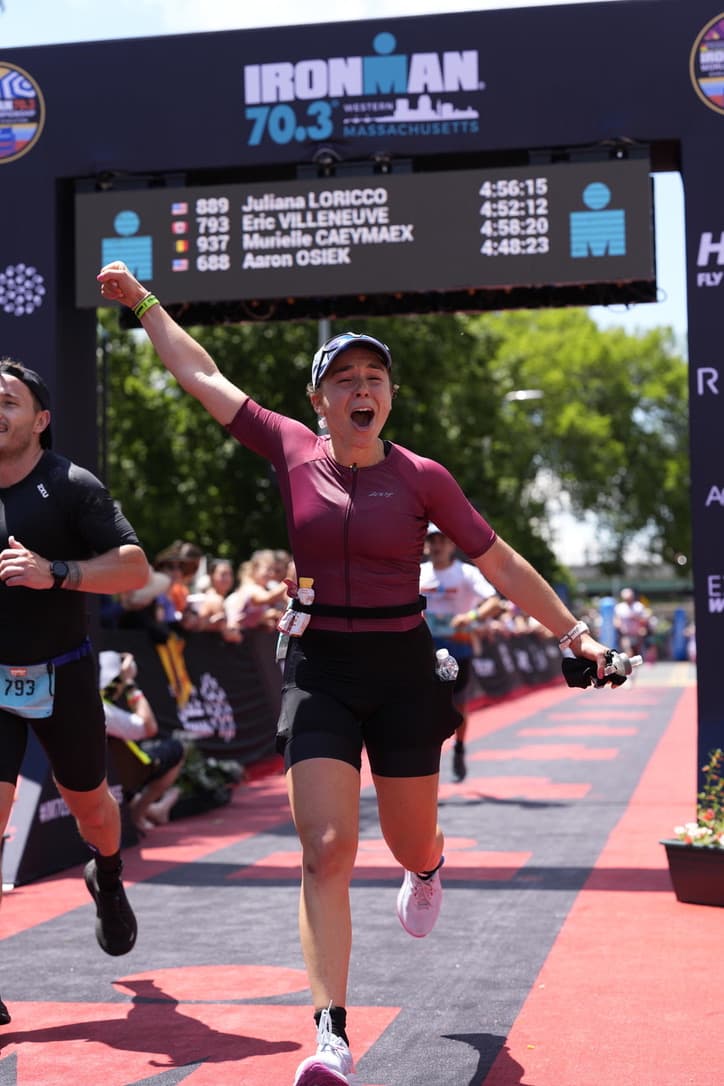
Running in Purple
A Law Student’s Journey Beyond the Finish Line.
Taking It Outside: How to Prepare for Your First Outdoor Sport Climbing Trip
The transition from plastic to rock catches most gym climbers off guard. Routes that feel within your grade indoors become struggles outside — not because outdoor grades are sandbagged, but because outdoor climbing demands a different skill set. A structured preparation closes that gap faster than hoping fitness will carry you through.
Planning Your First Sport Climbing Trip Abroad: What to Pack, Where to Go, and How to Not Destroy Your Fingers by Day Three
A sport climbing trip to a European crag involves more logistical decisions than most other forms of destination athletics, and fewer of those decisions are obvious until you have already made the wrong one. The gear is heavy, crag access is rarely straightforward, and managing climbing load across seven to twelve days requires deliberate planning.
More athletes on the map
See all →