Always Searching for Blank Spaces on the Map
By ZealZag Team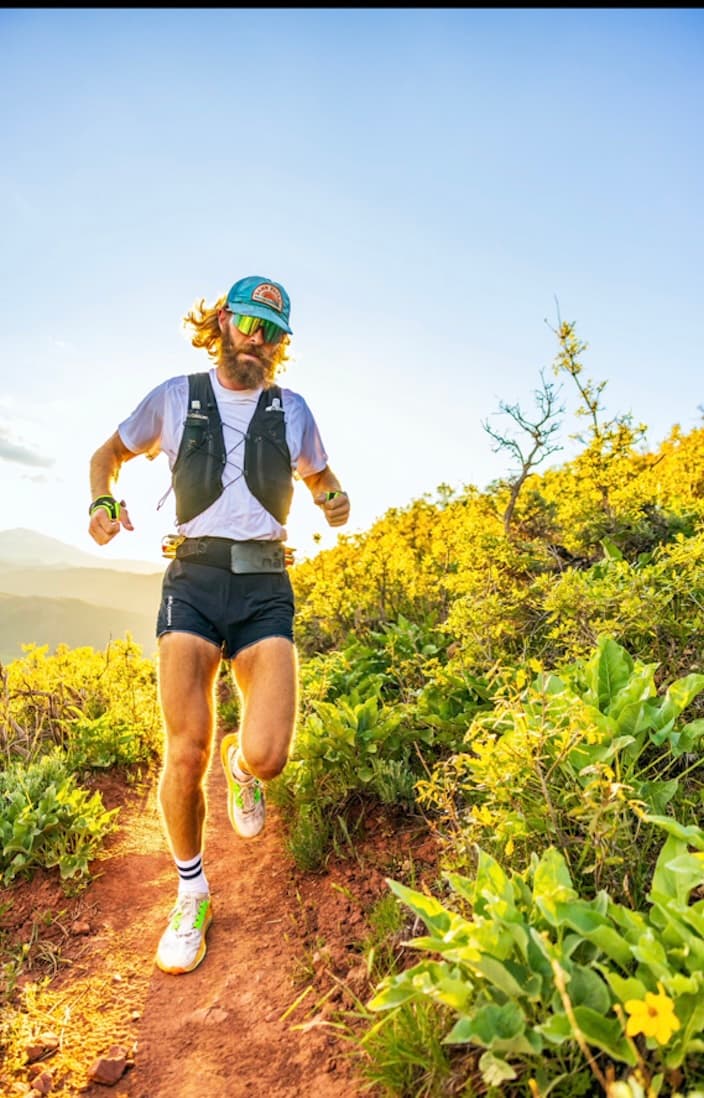

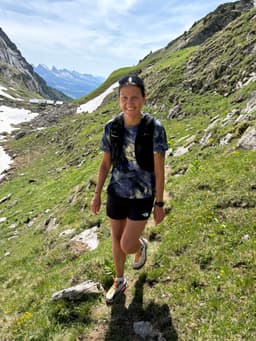
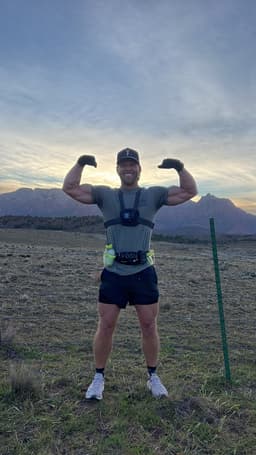
John Bruno is not chasing famous routes. He is chasing the unnamed ones. The blank spaces on the map. The 20-mile line through the Elk Mountains that fits in a running belt and has no trail name and no queue of people waiting to do it on a Saturday morning.
He lives in Aspen, Colorado — Ski Town USA, as he calls it — in the Roaring Fork Valley, surrounded on the southwest by the Elk Mountains. The mountains are not something he drives to. They are outside his door. The terrain he trains on in summer is the terrain he skis in winter. The range is continuous.
“Always searching for blank spaces on the map.”
25 Ultras, 150 Ski Days, One Running Belt
Twenty-five ultra finishes. Distances from 50K to 100 miles. One hundred and fifty days on snow every year. The number is worth sitting with. Most serious skiers manage fifty. A hundred and fifty means the mountain is the structure around which everything else is arranged.
In winter, John skins up mountains on a light and fast ski touring setup. In summer, he runs the same terrain on foot. The mode of movement changes. The mountain does not. He teaches skiing to the next generation in winter and trains in skimo style himself — ascending under his own power, earning every descent through the climb first.
When he runs alpine routes in summer, he keeps it minimal. Everything fits in a running belt. This is a philosophy as much as a gear choice. Light and fast means you move differently. You commit to the route rather than carrying the option to stop. You read the terrain better because you have less margin for error. John has been doing this long enough that the lack of margin feels like the point.
A Range of Contrasts
What makes the Roaring Fork Valley exceptional for the mountain athlete is not one thing. It is the access it provides to two completely different worlds within a single day’s movement.
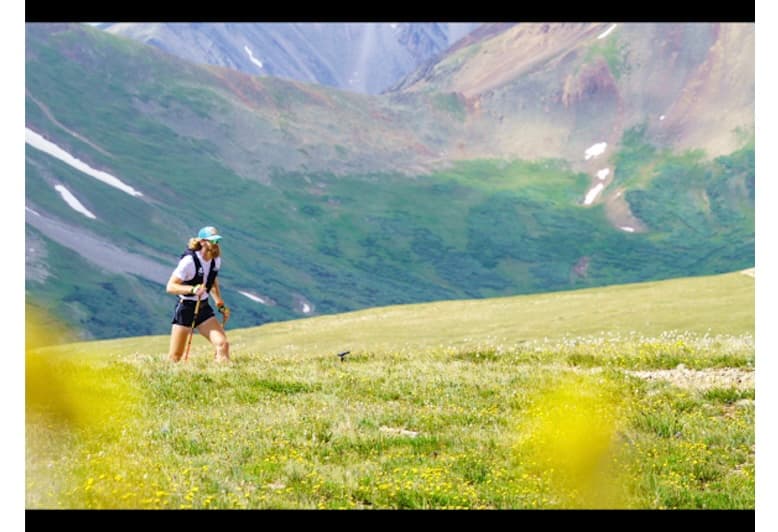
To the southwest, the Elk Mountains rise into high alpine terrain — exposed ridgelines, technical summits, tundra, scree, and peaks that exceed 14,000 feet. To the west, the landscape shifts entirely — the lush forests of the Elks give way to the canyonlands and sage country of the western slope. Red rock. Open sky. A completely different set of demands on the body and the mind.
Few valleys in the American West offer an athlete this kind of range within reach. Most destinations give you one terrain type. The Roaring Fork Valley gives you the alpine and the canyon country — and John Bruno has spent years moving through both.
The Sweet Spot
John is not only a poet of the mountain. He is a student of it. He chooses his training terrain with precision.
“I choose these trails over and over because 7–10% grade sits right in the sweet spot for mountain running economy. Steep enough to load your glutes and posterior chain differently than flat-ground threshold, but not so steep you’re hiking and losing that cardiovascular stimulus.”
John understands mountain running at both the physical and technical level. The 7-10% grade is not chosen because it feels right. It is chosen because it produces a specific physiological outcome that flat running cannot replicate and very steep terrain cancels. It is the grade where the body builds the muscular durability that mountain ultras require, without losing the cardiovascular stimulus that makes the effort useful.
John layers course-specific workouts into training blocks early, building mountain running durability before the race demands it. He understands that the fast-twitch muscle recruitment needed late in a hundred-mile race is trained months before the race, on specific terrain, at specific gradients. Twenty-five ultra finishes teach pacing, restraint, and terrain judgment in ways structured training plans cannot.
The Marrow of the Earth
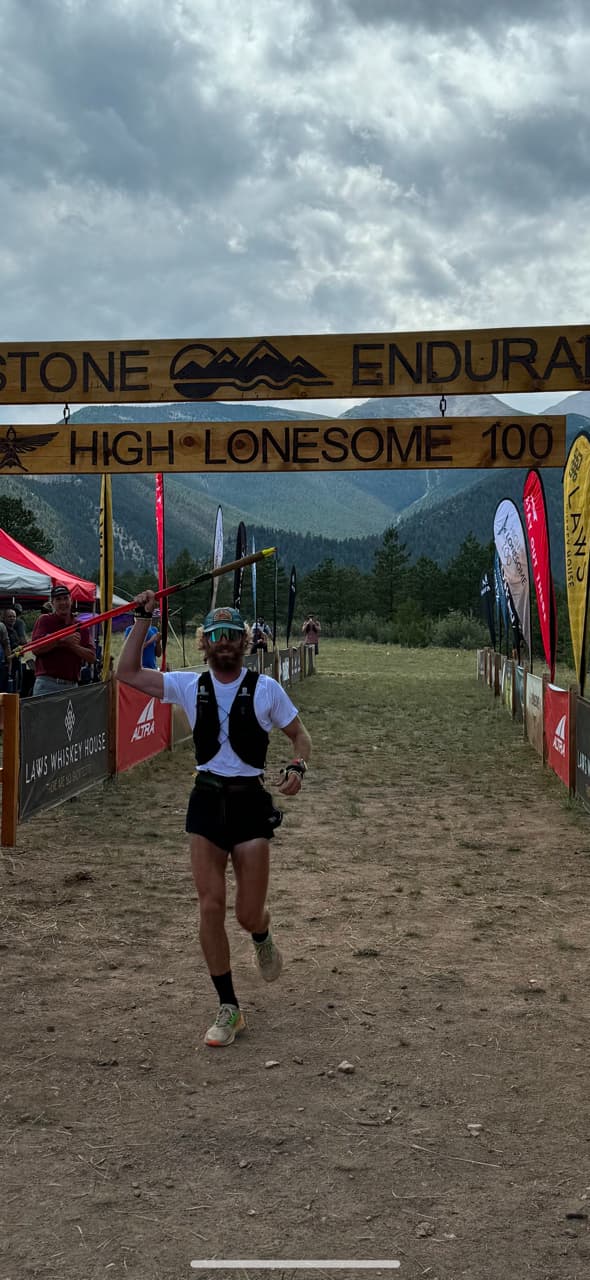
The Elk Mountains rise nearly 9,000 feet above the Roaring Fork Valley. Six peaks exceed 14,000 feet. Capitol Peak carries an infamous knife-edge ridge that requires scrambling and absolute focus. Pyramid Peak offers Class 4 terrain. The Maroon Bells — their reddish mudstone lit like embers at dusk, reflected in Maroon Lake — are probably the most photographed mountains in Colorado.
For John, the Elk Mountains are less a backdrop than a living system — one that changes character with every season, canyon, and ridgeline.
The Elks have something that athletes who know them struggle to name. It is in the scale, the exposure, the way the peaks appear too large from the valley and turn out to be larger still from the ridge. John has run these mountains across many seasons, on routes with names and routes without. It shows in the 25 finishes. It shows in the blank spaces he keeps finding.
Running It From the Inside
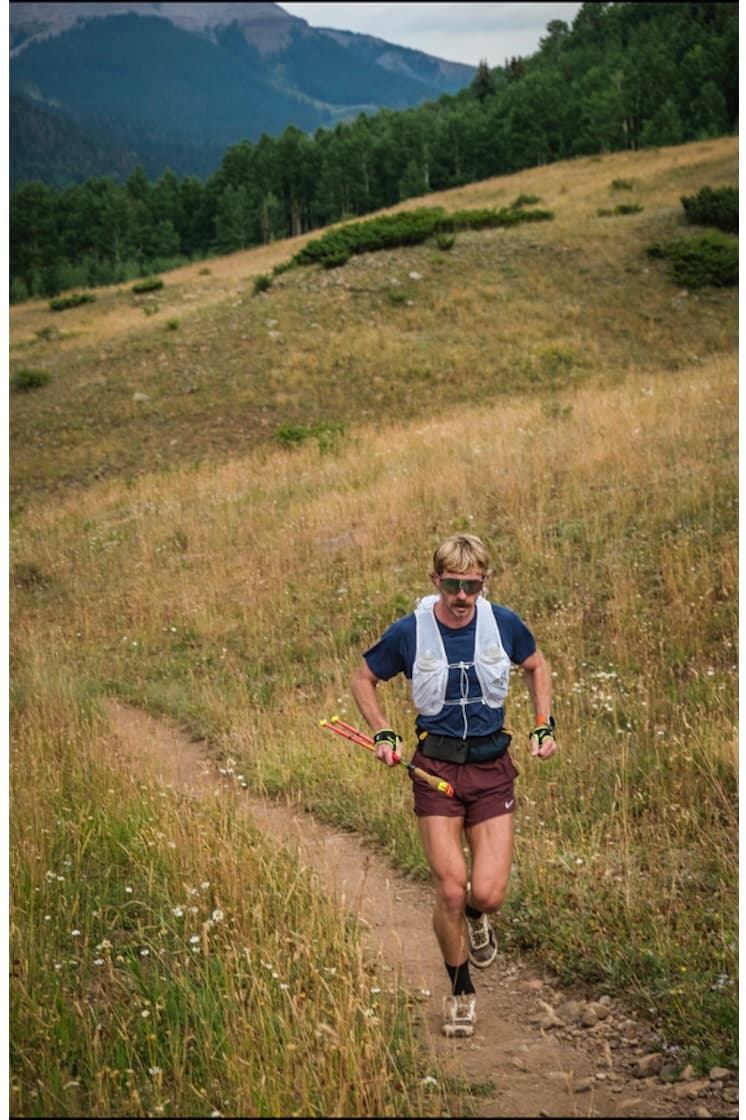
The Roaring Fork Valley draws visitors from everywhere. But the alpine routes John runs — the blank spaces, the canyon terrain that is not the resort and not the tourist trail — are invisible to the visiting athlete who does not know the range from the inside.
John knows it from the inside. He has the finishes, the ski days, and the local knowledge that only comes from moving through the range year after year. When a visiting athlete wants to run the Elks the way they deserve to be run, ZealZag is how they find him.
How to get to the Elk Mountains
The Elk Mountains are located southwest of Aspen, Colorado, within the White River and Gunnison National Forests and the Maroon Bells-Snowmass Wilderness. Access via Highway 82 to Aspen. Timed entry reservations required for Maroon Lake Road from mid-June through mid-October at recreation.gov. All routes above 11,500 feet require navigation skills and appropriate mountain gear. Weather builds fast and moves faster.
- Fly into Aspen (ASE) or Eagle County (EGE)
- Car rental essential
- Timed entry for Maroon Bells area mid-June through mid-October
- All high routes require navigation skills and mountain gear
- Weather changes rapidly above treeline
More athletes on the map
See all →