Chasing Challenges, Facing Fears
By ZealZag TeamFrom soccer fields in England to the mountains of Montana, Anne Cegelski has always chosen the more difficult path — curious enough to ask “What if?”, and determined to share every lesson the journey has taught her.
By ZealZag Team
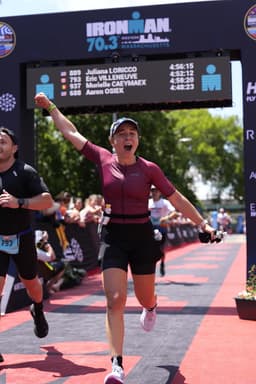
There is a voice that arrives at mile fifty of every hundred-mile race Anne Cegelski has run. It is reliable, almost punctual. Somewhere between the last light of the day and the deepest darkness of the night, it always appears. It tells her the same thing. Stop. She has learned to recognize it without listening to it. She has learned that if she keeps moving — one foot in front of the other, through whatever the mountain is doing that hour — something shifts. She stops asking whether she can finish and starts knowing that she will. That is what keeps drawing her back.
THE SPORT SHE DIDN’T KNOW SHE WAS LOOKING FOR
A soccer player’s body is built for bursts — explosive, directional, made for the kind of effort that stops and restarts a hundred times in ninety minutes. Anne played competitively through college and then through graduate school in England. The sport shaped her for years, gave her discipline and competitiveness and the particular instinct of someone who has always needed to be in motion. When that chapter ended, those same legs were still there. That same need was still there. She just hadn’t found the right distance yet. She still had a few months left in England, so she started exploring trails. She threw on a podcast and ran without a plan and fell in love with it almost immediately. One day, running somewhere in England with a podcast in her ears, she heard Rich Roll talking about ultramarathons. She thought: I can do that. Most people would have admired the idea and kept running. Anne asked herself a different question. What if I tried?
TWO DISTANCES, ONE BIGHORN
England had given her the trails. What came next was Wyoming — a different kind of landscape entirely, bigger and emptier, very far from the rolling English countryside she had been running through. She was settling into a new place, new rhythms, a life still taking shape, when her landlord mentioned a race.
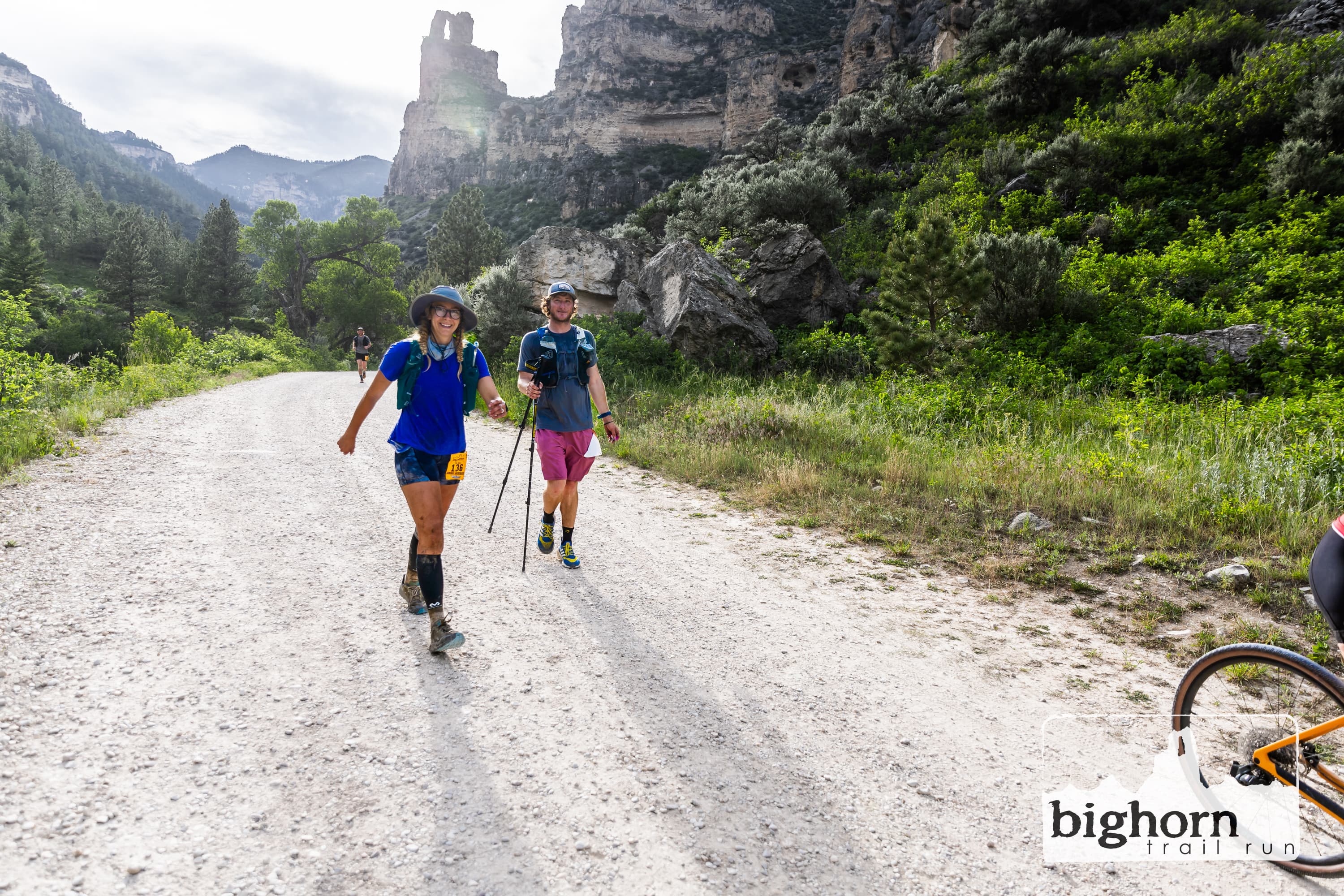
The Bighorn Trail Run. There was a 50K option and a 50-mile option. She signed up for the 50-miler. She isn’t entirely sure why. “For whatever reason,” she says,
“I just wanted to do the 50-mile race.”
She trained mostly alone. She crossed the finish line with almost nobody there to see it. Standing in that particular silence — a race completed without ceremony, without a crowd — she realized something: she didn’t care that no one was watching. It had never been for an audience. She had also, without intending to, learned her first major lesson about ultrarunning — by doing the opposite. Running a 50-miler before she had ever run a 50K meant that somewhere around mile forty she discovered what happens when you haven’t saved enough for the final ten. The lesson was expensive. She kept it.
THE DAY HER MIND QUIT FIRST
The Bighorn 100 was her first attempt at a hundred-mile race. It was an unusually wet year. Her feet were soaked all day. And somewhere in that discomfort, she made a decision that had nothing to do with her body. She decided she was going to stop. No one, she says, was going to change her mind. Her head had checked out around mile thirty. She had become so focused on everything going wrong that she never tried to make anything better. She had already decided, and that was that. She is very precise about what caused it.
“Looking back, I don’t think my body was the biggest problem. It was my mindset.”
Not the weather. Not the feet. Her mindset. Most athletes, when a race goes badly, reach for something outside themselves to explain it. Anne looked inward and named what she found without softening it. She came back. She finished a hundred-miler — the Bighorn 100. And in that process she discovered the thing that now guides every race she runs: if she can push past the moment at mile fifty when the voice tells her to stop, something shifts. She stops asking whether she can finish and starts knowing that she will. She didn’t return to prove the first race had been a mistake. She returned because another question had appeared. What if I don’t quit this time?
THE THINGS SHE WISHES SOMEONE HAD TOLD HER
The hardest part of preparing for a hundred-mile race, Anne has found, is not the running. It is eating enough. Training her stomach to accept calories at the volume and intensity a race of this distance demands is as much a part of the preparation as building mileage. A body that can run but cannot fuel will not finish. She has learned this, and she trains for it, and she tells people about it, because nobody mentioned it when she was starting out. Anne treats every race as research. Every mistake becomes a lesson, and every lesson eventually finds its way to another runner who hasn’t made that mistake yet. She got into ultrarunning feeling overwhelmed by information — blogs, podcasts, videos, websites in abundance — and what was hardest to find was someone willing to say clearly: here is where I got it wrong, here is what I would have done differently, here is how it actually felt. She decided to be that person. Most people finish a race and move on. Anne asked another question: what if I could save someone else from making the same mistakes? She shares the packing lists and the mistakes and the things that are funny in retrospect. She shares the DNFs and the times her stomach failed and the moment at mile thirty when her head quit before her legs did. She has no interest in pretending ultras are cleaner than they are. They’re messy. Sometimes funny. Sometimes discouraging. Sometimes humbling. She believes beginners deserve to see that version too, because confidence grows faster when someone has already admitted the mistakes you’re afraid of making. She does not manage her image. She documents what is actually there.
HOW WAS IT?
The only road marathon she ever ran, she didn’t speak to a single person. The aid stations were tables with water. Her first ultra was a completely different world. People cheered for each other. Volunteers genuinely wanted everyone to succeed. You could be proud of someone for finishing last. You could be proud of someone for a DNF. The only thing that seemed to matter was that they had come and given it everything. Marathon runners ask: what was your time? Ultra runners ask: how was it? That difference is not small. It is the difference between a sport organized around performance and a culture organized around experience. Anne has always belonged to the second one. She has also noticed what the trail does to her attention that the road never did. On the road she watched pace, watched numbers, waited for the mileage to tick forward. On the trail she watches her footing, watches for wildlife, looks at the mountains and the way the light changes on the ridge. Her mind stops measuring and starts noticing. Trail running makes her present in a way almost nothing else does.
RUNNING TOWARD WHAT SCARES HER
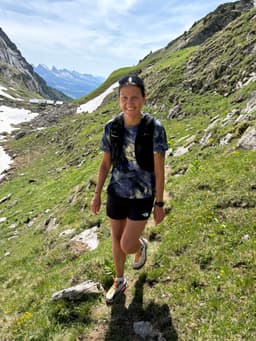
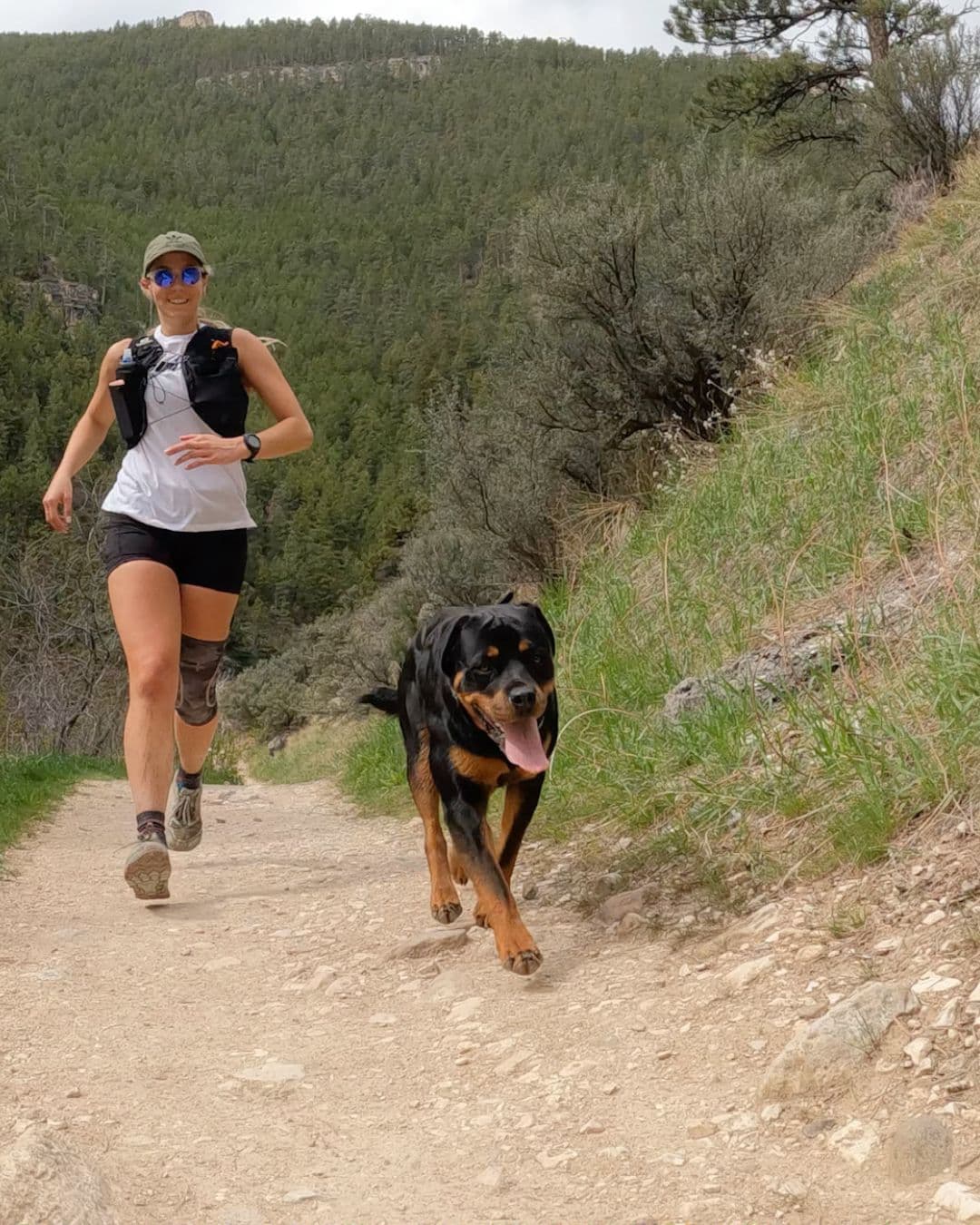
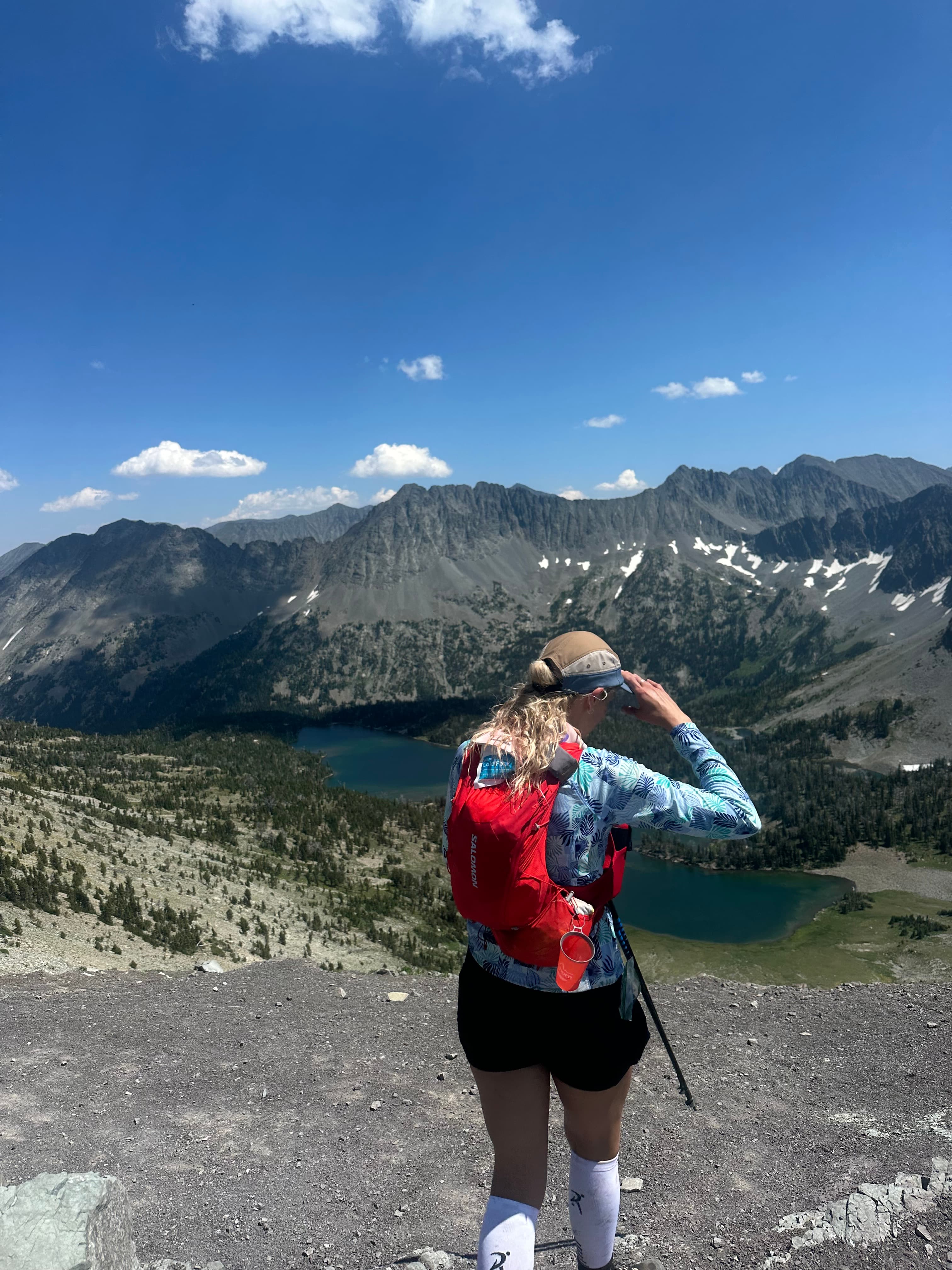
Wildlife has always frightened her. Genuinely, specifically. It is one of the reasons she got into trail running: to test herself against the kind of fears that don’t dissolve on their own, to prove she is capable of doing things even when they scare her. That philosophy requires, eventually, going somewhere the fear is real. She could have trained somewhere easier. Instead, she asked herself the more interesting question. What if I stopped avoiding the thing that scares me? She moved to Bozeman, Montana. The Bridger Mountains rise directly behind the city, their ridgeline visible from almost anywhere in town. In summer the slopes fill with wildflowers, mountain goats move along the high ridges, and the trail follows the spine of the range for miles above treeline with views that stretch across ranges in every direction. Anne trains there. She picks routes where she knows other people will be around. She prefers company on those routes, for the peace of mind that comes with it.
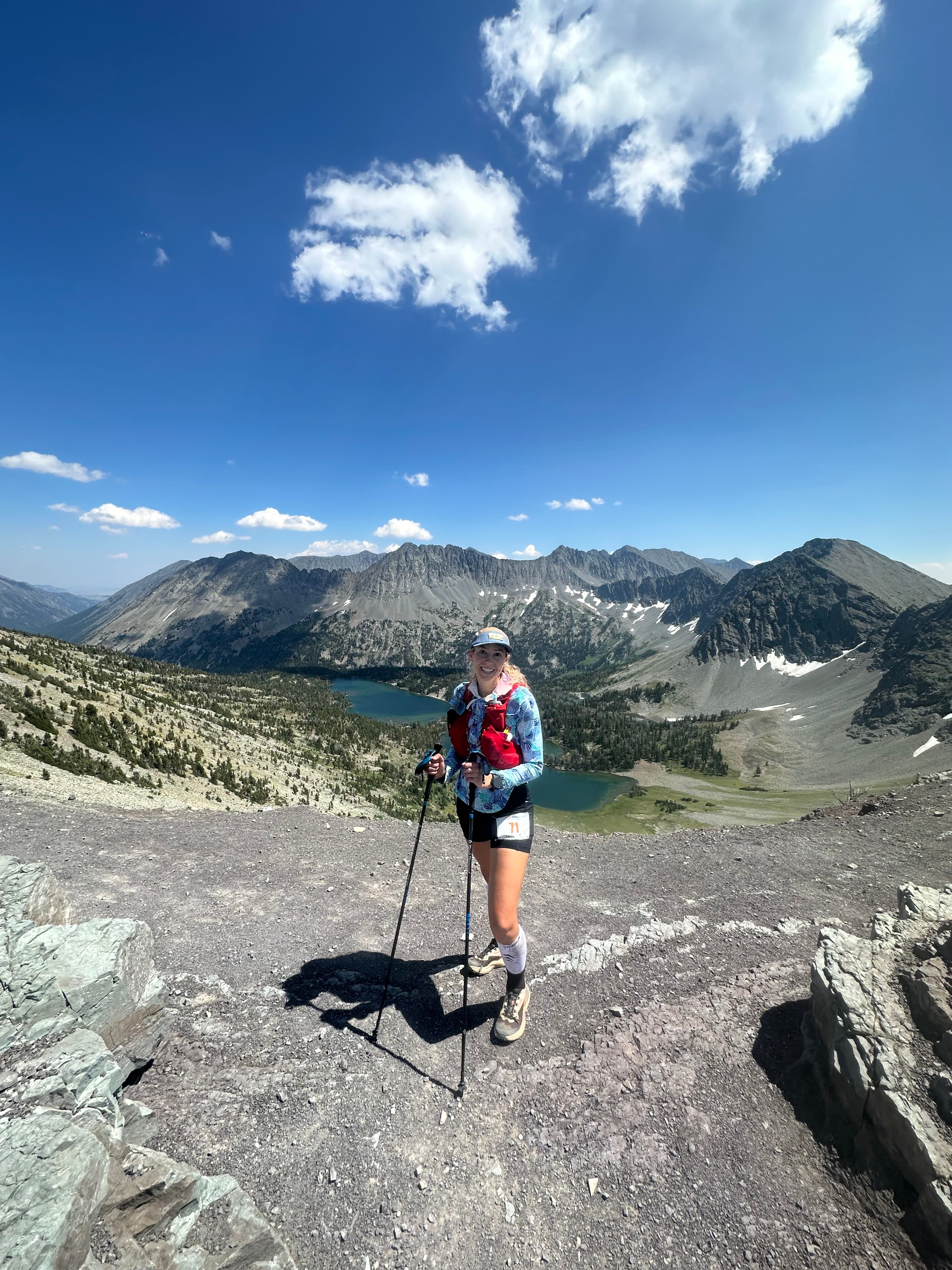
On July 24th, Anne lined up at the start of the Crazy Mountain 100 in south-central Montana — the only 100-mile event in the state, and a Hardrock and Western States qualifier. The race crosses 23,000 feet of vertical gain, reaching heights of 10,200 feet, running point to point across primarily single track with extreme technical terrain. The Apsáalooke people, on whose indigenous lands the course runs, call this range Awaxaawippíia — ominous or angry mountain. She has called it one of the hardest courses she has ever attempted. At mile 43, a slip on a rock twisted her knee and ended her day. 43 miles of one of the hardest courses she has ever attempted. On terrain that most people would never attempt at all. She knows the voice at mile fifty well. This time, it wasn’t the voice that stopped her — it was her body, and her body alone. Anyone who has followed her journey knows the difference. She has proven she can silence the voice. She did it at the Bighorn 100, the one 100-mile finish she has earned, crossing a finish line she had trained for, feared, and refused to let go of. She is already looking forward.
THE TRAIL SHE’D SHOW YOU
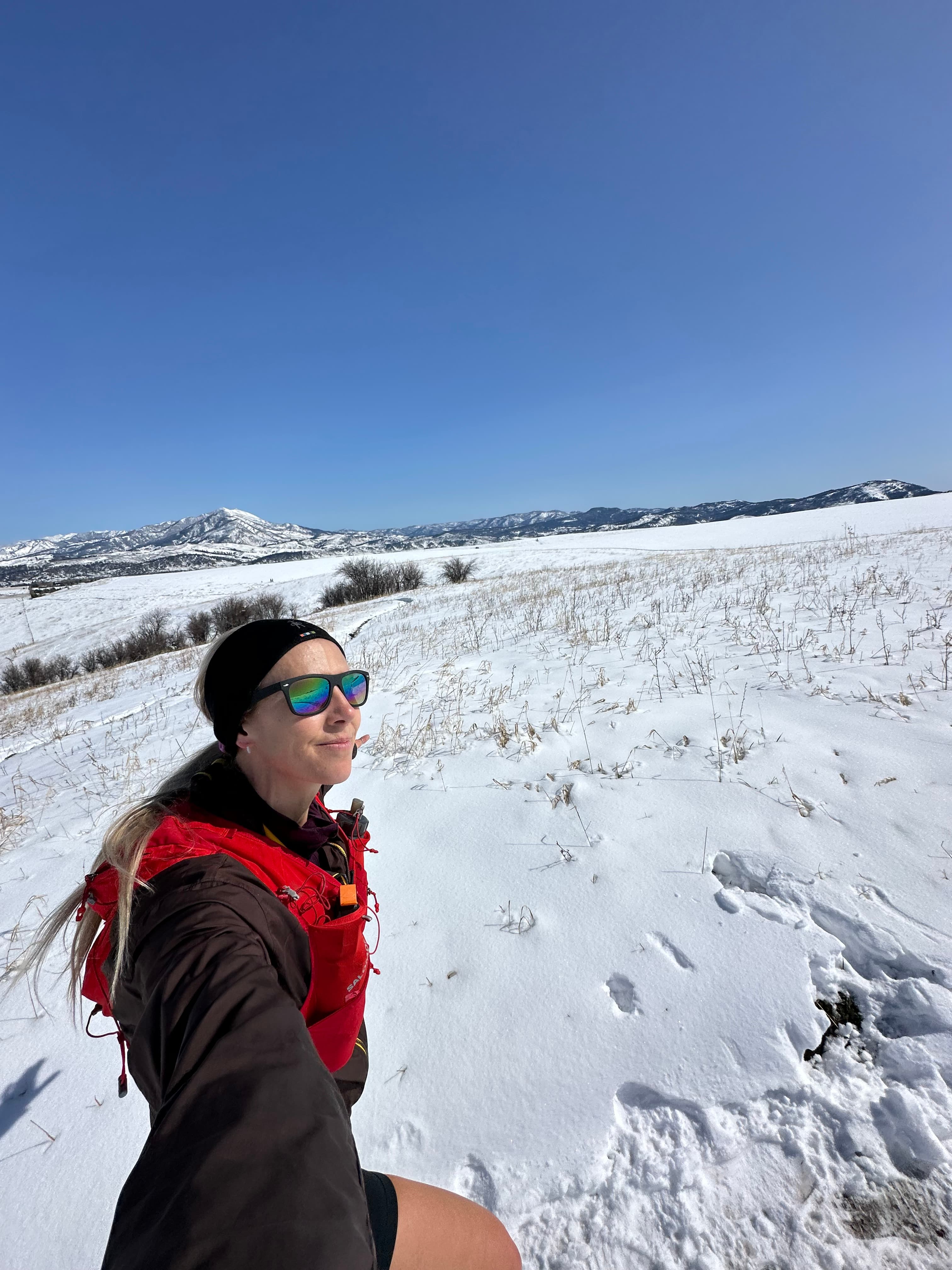
If a fellow runner came to train with Anne for a day in Montana, she knows exactly where she would take them. Somewhere in the Bridger Mountains. The trails there are filled with wildflowers in summer, with incredible mountain views that make you want to stop every few minutes and just take it all in. She would pick a trail where she knows a few other people will be around, partly for the company, and partly for the peace of mind that comes with it. And if they could finish the run with a swim in an alpine lake or a dip in the river, even better.
“That’s what I love most about trail running. It’s not just about getting to the finish — it’s about enjoying everything along the way.”
THE PERSON SHE’D TAKE WITH HER
If she could run anywhere in the world, she would take her sister Katie to the Scottish Highlands. Singletrack through the hills. Highland cows on the hillsides. Views she says rival even Montana — only without the bears. She spent time in Scotland during graduate school and has thought about going back on foot ever since. Her sister would need some convincing to go as far as Anne would want to go. Anne thinks the views would make up for it. After all the mountains and the miles and the voice at mile fifty and the hours in the dark, that is the run she dreams about. Not the hardest. Not the longest. Just the right one, with the right person.
THE HARDEST PART IS SIGNING UP
The hardest part is signing up. Not the training. Not the logistics. Not the dark hours in the middle of a race when everything hurts and the voice is telling her to stop. The hardest part is the moment before any of that — when you are sitting somewhere comfortable with a registration page open and a question you don’t yet know the answer to.
“By signing up, you believe you can do it. Once you’ve committed, everything else becomes a series of small steps.”
She doesn’t promise it will be easy. She doesn’t promise the voice will stay quiet. She promises that the other side of it exists, that she has been there, and that what you find there cannot be taken away.
THE NEXT QUESTION
For a long time, the question had been: can I finish? She answered it. More than once. Now another question has replaced it. What if she stopped training just to survive and started training to find out how good she can actually become? More strength. More speed. Less of the cautious conservation that has gotten her across every finish line, and more of whatever lives on the other side of that caution. Anne has never seemed particularly interested in impressing anyone. Curiosity sends her into the mountains. Generosity brings her back to tell everyone else what she found.
“Ultra marathons gave me confidence, purpose, and a community I didn’t know I needed. If sharing my journey helps even one person discover that for themselves, then it’s all worth it.”
Every ultrarunner eventually meets the voice at mile fifty. The mountain changes. The voice doesn’t. Neither does Anne. She is still wondering what else she is capable of.
Meet a ZealZag Athlete

More athletes on the map
See all →