Explore
Destinations, athlete stories, and field reports from every corner of the globe.
Browse by Sport

Why World Tour Pros Live in Girona: The Infrastructure Behind the Cycling Capital
Girona has somewhere between 100 and 200 professional cyclists living in or around it during the season. EF Education–EasyPost, Lidl–Trek, Israel–Premier Tech and others all have substantial staff and rider presence. The reason is not the climate — it is the infrastructure built around a decade of pro residency.
By ZealZag TeamOpen Water Sighting and Drift Currents: How Triathletes Lose 90 Seconds Without Knowing
The fastest swimmer in the field can still lose two minutes in a triathlon swim by sighting badly or failing to read the current. Sighting and current management are the two most underrated technical skills in open water — and they are learnable in a single weekend of focused practice.
By ZealZag TeamHeat Acclimation Blocks: A 10-Day Protocol for Summer Race Prep
Heat is the single most common reason endurance athletes underperform at summer races. Heat acclimation works — but only if the protocol is specific enough to trigger the physiological adaptations. Here's a 10-day block that does.
By ZealZag TeamTrail Running Shoe Rotation: Why Two Pairs Outperform One
Most trail runners buy one shoe and run everything in it. Rotating two pairs with different geometry isn't a gear upsell — it produces measurable changes in foot tissue load, mileage durability per pair, and injury rate over a season. Here's how to set up a simple two-shoe rotation.
By ZealZag TeamBike Fit Fundamentals: Saddle Height, Fore-Aft, and Cleat — The Three Numbers Worth Measuring
A bike fit doesn't have to be expensive or complicated to be useful. Three measurements — saddle height, saddle fore-aft, and cleat position — account for most of the comfort and efficiency gains a rider can achieve without a studio appointment. Here's how to set them up yourself.
By ZealZag TeamClimbing Finger Pulley Health: A Hangboard Protocol That Prevents A2 Ruptures
A2 pulley rupture is the most common serious finger injury in sport climbing. The injury is largely preventable through specific finger conditioning — but the standard hangboard advice climbers absorb online doesn't actually load the structures that need adaptation. Here's the protocol that does.
By ZealZag TeamBikepacking vs Gravel Racing: When Each One Actually Fits the Trip
The disciplines look similar from outside — drop-bar bikes, mixed terrain, multi-day routes. The trip you should plan depends on what you want from the riding, what kind of suffering you respond to, and how much pre-trip logistics you'll tolerate. Here's the honest comparison.
By ZealZag TeamRace-Week Taper for 50K+ Ultras: What the Data Actually Says About Volume Cuts
The marathon taper literature is extensive. The ultra-distance taper literature is much thinner — and the lessons that transfer from marathon work do not all transfer cleanly to 50K and longer. Here's what the available evidence actually supports for ultra-distance race-week preparation.
By ZealZag TeamFirst Hydration Pack: Vest Fit, Bladder vs Flask, and Why Most Runners Over-Buy
The hydration vest you actually need is rarely the one runners buy first. Capacity, fit, and the bladder-vs-flask choice all interact in ways that matter once you're out for 4+ hours — and the wrong choice produces back chafe, sloshing weight, and a vest that lives in a cupboard. Here's the framework.
By ZealZag TeamChasing a Flat-Course Marathon PB: A Training Framework for Speed-Focused Racing
Berlin has produced nine marathon world records since 2003. Chicago runs flat. Rotterdam runs flat. Selecting a fast course is the easy part. Preparing specifically for sustained race pace over 42.2km is the harder work. Here's how to structure 16–19 weeks of training for a PB attempt on a fast course.
By ZealZag TeamCowes Week: How to Race in the World's Oldest Annual Sailing Regatta
First sailed in 1826 under the flag of the Royal Yacht Squadron, Cowes Week has run every August since — making it the oldest continuously held sailing regatta in the world. In August 2026 it marks its bicentenary. Here's what the event is, how to compete, and what makes the Solent the most complex racing water in Britain.
By ZealZag TeamRock Shoes for Outdoor Sport: How to Choose Beyond the Gym Shoe
A gym shoe gets you started. An outdoor shoe is a decision — downturn, rubber compound, closure, and sizing interact with rock type and climbing style in ways that matter once you're clipping bolts on limestone or smearing granite. Here's the framework.
By ZealZag Team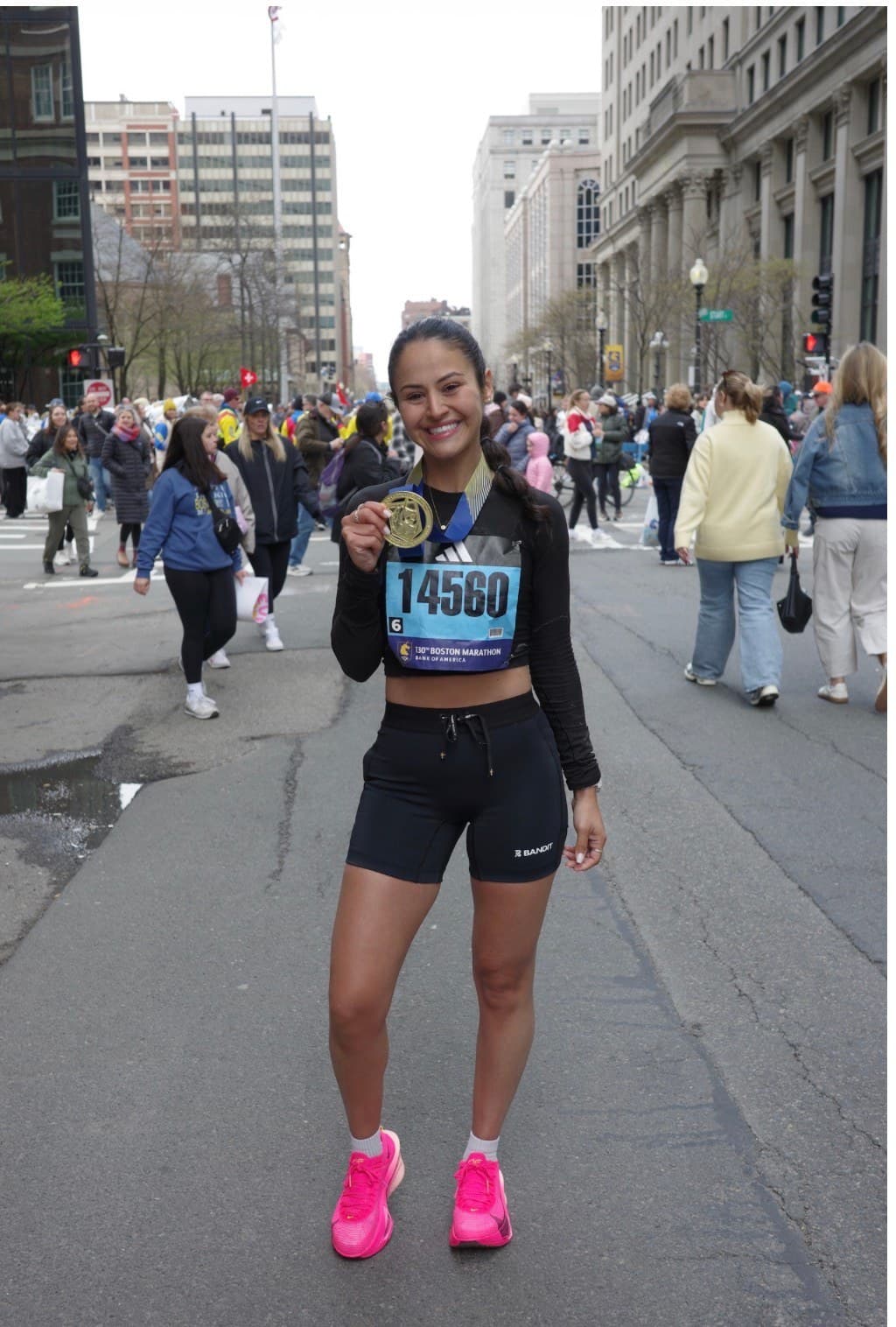
More Than the Finish Line
Wesam Elhayek didn't start running to become an athlete. She started running to survive a season. What happened next surprised even her.
By ZealZag TeamFrom Endurance Athlete to Alpinist: The Skills Gap and How to Bridge It
Trail runners and cyclists who arrive at a glaciated peak with strong aerobic engines and no idea how to put on crampons are a recognizable type in alpine guiding. The cardio is genuine and useful. The technical deficit is a specific, fixable problem — but no amount of fitness substitutes for it.
By ZealZag TeamChamonix for Trail Runners: The UTMB Corridor and What the Trails Actually Ask
Chamonix sits at 1,035 metres in the Arve Valley, hemmed in by the biggest peaks in the Western Alps. Trail running here operates on three distinct altitude bands, from accessible afternoon runs at 2,000m to technical high-altitude routes that ask for more than aerobic fitness.
By ZealZag TeamAfter the Classics: Europe's Summer Road Cycling Calendar and What Each Race Decides
Spring is done — Roubaix, Liège, the Ardennes monuments. The Giro runs into June. Then comes the part of the calendar that actually determines how a season is remembered: five months of stage racing and one-day racing from Dauphiné to Il Lombardia.
By ZealZag Team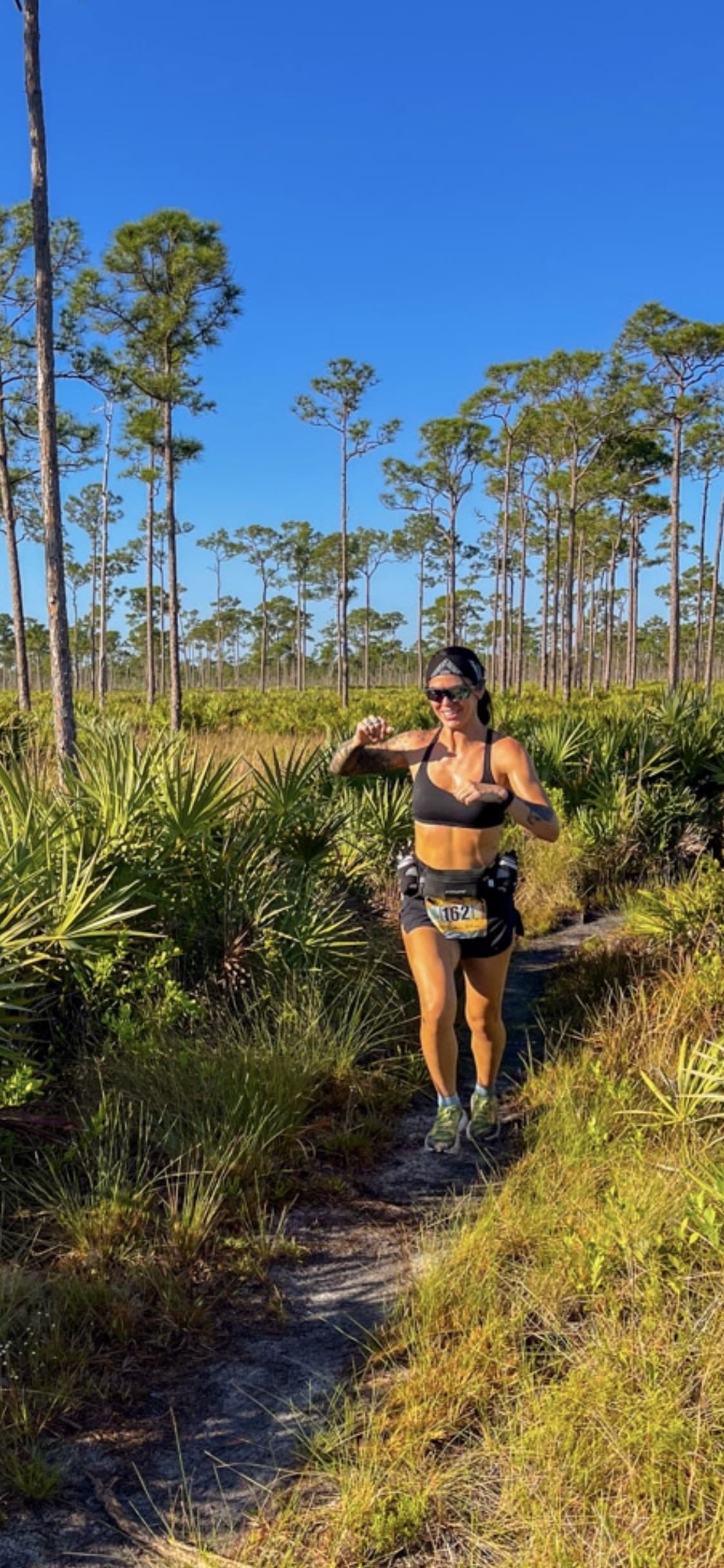
Strength Got Her Started. Endurance Took Her Further.
Gigi Fettuccini didn't become a runner by being good at it. She became one by refusing to stop.
By ZealZag Team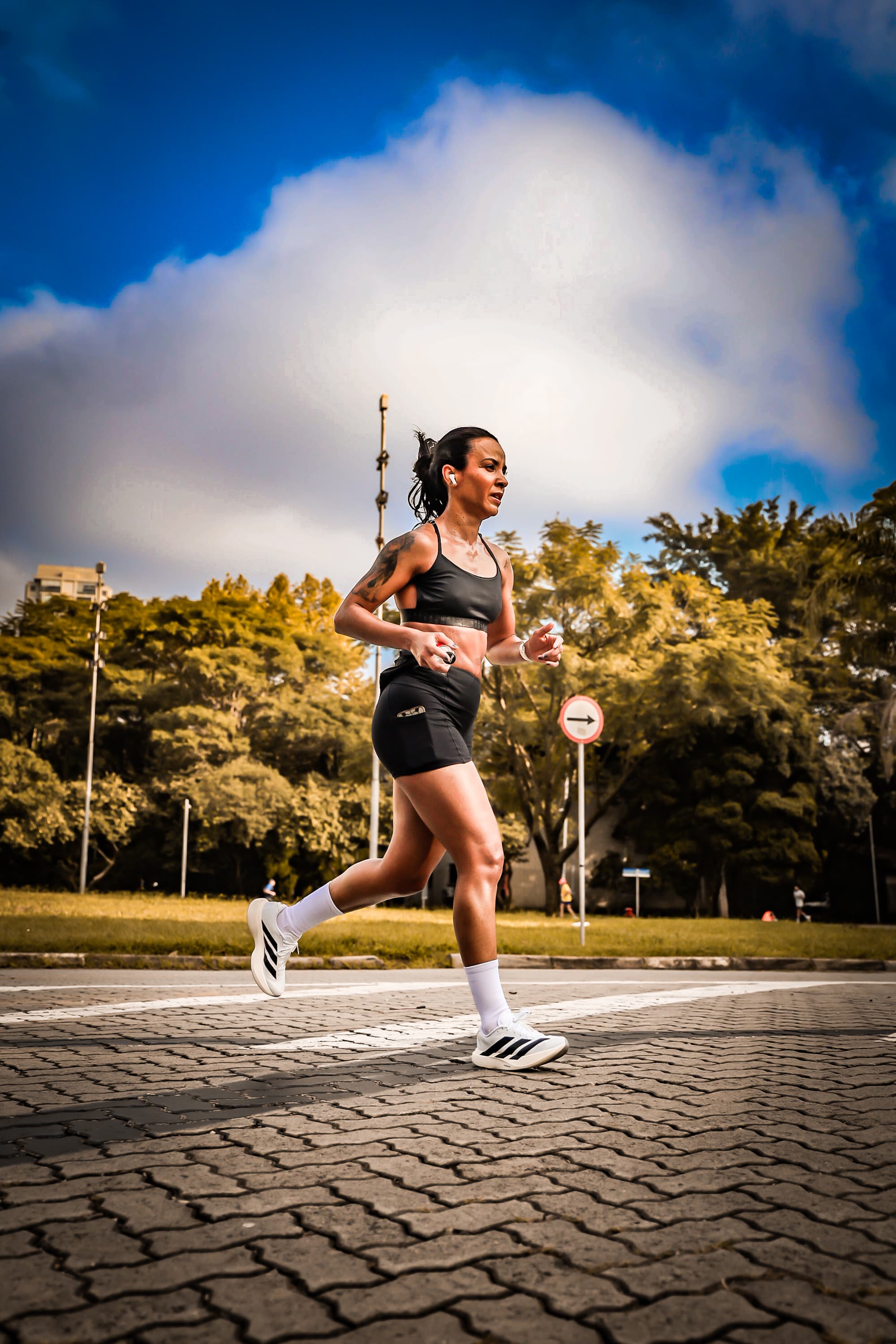
Mari Souza Never Meant to Become a Runner.
She started because she needed somewhere else to put her mind.
By ZealZag TeamFrom Pool to Ocean: Building Open Water Swimming Skills That Actually Transfer
Pool fitness and ocean racing share a stroke and very little else. The navigation, cold water, pack dynamics, and variable conditions of open water events require specific preparation that lap-swimming alone cannot provide.
By ZealZag TeamThe Non-Glamorous Side of Running a Destination Marathon
Registration lotteries, race expos the size of convention centres, time zones, and the surprising physical cost of race weekend on foot. What no training plan tells you about running a major marathon in a city you've never been to.
By ZealZag TeamHossegor: Europe's Most Consequential Beach Break
The beach breaks at La Gravière shaped professional surfing for three decades. What remains after the WSL contest moved on is one of the Atlantic coast's most powerful stretches of surf — accessible, practical, and honest about the skill level it requires.
By ZealZag TeamPreparing for Your First Multi-Day MTB Stage Race
Multi-day mountain bike stage racing has one demand that no single-day event prepares you for: recovering overnight and performing again at full intensity the following morning, for seven or eight consecutive days. The training block, the race-week disciplines, and the gear decisions are all oriented toward that single requirement.
By ZealZag TeamThe Vendée Globe's Strange Logic: Why Solo Non-Stop Round the World Works as a Sport
The Vendée Globe is a sailing race in the same way the Badwater Ultramarathon is a running race — technically accurate and fundamentally inadequate. Solo, non-stop, unassisted circumnavigation of the world in a 60-foot foiling monohull. It has run every four years since 1989 and is the most watched sailing event on earth.
By ZealZag TeamEl Chorro: The Most Practical Sport Climbing Destination in Spain
El Chorro is not Spain's most famous climbing destination, but for athletes arriving from Northern Europe in the depths of winter, it may be the most logical: 60 kilometres from Málaga airport, accessible by commuter train, and climbable through November to April when everything north of the Pyrenees is under frost.
By ZealZag Team