Trail Running Shoe Rotation: Why Two Pairs Outperform One
By ZealZag TeamMost trail runners buy one shoe and run everything in it. Speed days, long days, technical terrain, fire roads, recovery jogs — same pair, every session. The shoe wears in a predictable pattern, gets replaced when the foam stops responding, and the cycle repeats.
Rotating two pairs of shoes with different geometry across the same training week is not a gear upsell. It produces measurable changes in foot and lower-leg tissue load, in mileage durability per pair, and in injury rate across a training block. The reason has less to do with the shoes and more to do with how tendons and bones respond to repeated identical stress.
The Biomechanical Case for Rotation
Each shoe imposes a specific loading pattern on the foot and lower leg. Stack height, drop, midsole compound, and rocker geometry determine which structures absorb impact, how the foot strikes, and how the calf and Achilles complex load through each stride. Running the same shoe every day means loading the same structures the same way every day.
A 2013 study published in the Scandinavian Journal of Medicine and Science in Sports tracked recreational runners over 22 weeks and found that runners who rotated multiple shoes had a 39% lower running-related injury rate than those who used a single primary shoe. The mechanism the authors proposed was straightforward: varying the loading pattern distributes stress across different tissue groups, reducing cumulative load on any single structure.
The principle is the same one strength coaches apply to programming variation — the body adapts to the specific stress it receives, and repeated identical stress produces both adaptation and accumulating microdamage in the same locations.
The Two-Shoe Rotation: A Concrete Setup
A useful rotation contrasts the two shoes deliberately rather than buying two similar models. The pair you want is:
Shoe A — daily/long mileage. Higher stack height, moderate drop (6–10mm), softer midsole, moderately durable outsole. The job of this shoe is to absorb impact and protect tissue on the days when volume is the goal — easy runs, long runs, recovery days. Stack height in the 30–35mm range is reasonable for trail. The midsole should feel supportive rather than racy.
Shoe B — terrain/speed. Lower stack height, lower drop (0–6mm), firmer midsole, more aggressive outsole lugs (4–5mm for soft trails, 3–4mm for mixed). This shoe is for technical terrain, faster sessions, and any run where ground feel and lateral stability matter more than absorption. Stack height around 20–28mm; the shoe should feel quicker and more connected to the ground.
The shoes do not need to be from different brands. They need to differ in stack height, drop, and outsole aggression. Two shoes from the same brand with deliberately different geometry work as well as two shoes from competing brands.
Connect with training partners, earn travel miles, and discover terrain worth crossing borders for.
Join ZealZagFollow us on InstagramHow to Distribute Mileage
A simple weekly distribution:
- Easy runs and recovery runs → Shoe A. The legs need protection, not performance.
- Long runs → Shoe A. Especially long runs with significant flat or fire-road sections.
- Speed/threshold sessions → Shoe B if terrain is forgiving; Shoe A if the workout includes hills.
- Technical/rocky trail → Shoe B. Lower stack improves ground feel and reduces ankle-rolling risk.
- Races → Whichever the goal terrain and distance favour, tested in training first.
The two pairs split a 50-mile week roughly 30/20 in favour of Shoe A. Over a 12-week training block, each pair sees about half the cumulative mileage of a single-shoe setup, which extends the usable life of each foam package and shifts the replacement decision from "the shoe is dead" to "the shoe is showing its age."
Mileage Per Pair: What the Foam Actually Does
EVA midsoles — the standard inexpensive foam — typically lose meaningful cushioning by 300–500 miles depending on body weight and running surface. PEBA and TPU-based midsoles, common in more expensive performance shoes, hold their properties longer; usable life on these can extend to 600–800 miles in some cases, though degradation profiles vary by brand and compound.
Splitting mileage across two pairs roughly halves the rate of wear on each. In practical terms: a runner doing 60 miles a week single-shoe replaces shoes every 5–8 weeks. The same runner rotating two pairs replaces each pair every 10–16 weeks. Total spend across the year is similar; replacement frequency is halved.
There is also a secondary effect: foam recovers some of its compressive properties when given 24–48 hours of rest between uses. Running the same shoe two days in a row gives the foam less recovery time than alternating days; rotation lets each shoe rebound between sessions, which preserves the perceived freshness of the cushion.
When Rotation Doesn't Help
Two cases where a two-shoe rotation is not the priority:
First, athletes early in trail running. A runner in their first six months on trail benefits more from learning a single shoe well — understanding how it handles wet rock, loose dirt, descent angles — than from optimising rotation. Add the second pair once the primary shoe is well-understood.
Second, athletes with low weekly mileage. Below 25–30 miles per week, single-pair wear rates are slow enough that rotation gains are marginal. The injury-distribution argument still applies, but the mileage-durability argument does not.
For everyone in between — the trail runners doing 30+ miles a week, training for ultras, or stacking back-to-back long days — a two-shoe rotation is one of the few low-cost gear interventions with a meaningful biomechanical case behind it.
Choosing the Specific Models
The exact models matter less than the contrast between them. Walk into a specialty trail running shop, tell them you want two shoes that differ in stack height by at least 8mm, drop by at least 4mm, and outsole aggression by category — and let them propose options across price points.
The names of the specific models change with each release cycle. The principles — higher stack for volume protection, lower stack for ground feel, deliberate contrast — do not.
Keep reading
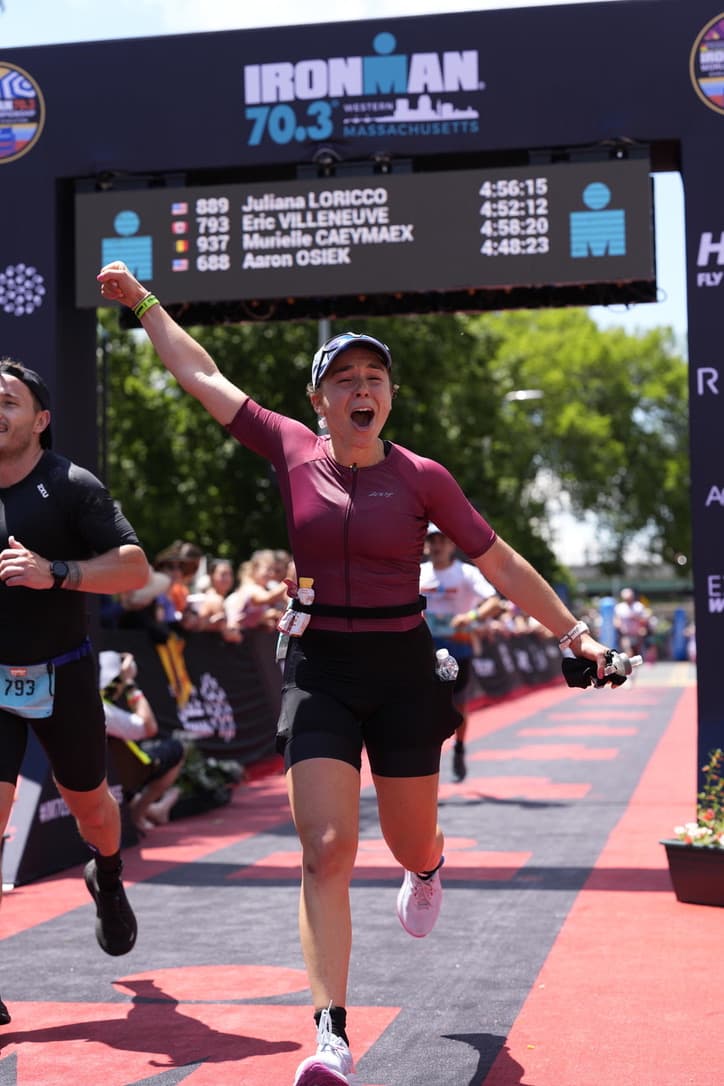
Running in Purple
A Law Student’s Journey Beyond the Finish Line.
Road Running Shoes: What the Categories Actually Mean and How to Choose Between Them
The road running shoe market has fractured into distinct categories over the last decade, driven largely by carbon plate technology. Understanding what each category is built to do — and what it is not — prevents expensive mistakes and, more importantly, prevents buying race-day performance at the expense of training health.
Gear Up and Ship Out: The Logistics of Getting Your Kit to an International Adventure Race
Adventure racing asks you to navigate across terrain you have never seen, by foot, bike, and paddle, for anything from 24 hours to ten days. Getting your equipment from your home to the race start in another country involves a logistics challenge that experienced teams treat as seriously as the physical preparation. Here is what that actually involves.