Racing in Heat: How to Build Heat Tolerance Before Your Hot-Condition Triathlon
By ZealZag TeamRacing in heat is a different sport from racing in moderate conditions. The cardiovascular system that was trained over months of structured workouts faces competing demands on a hot day: the muscles need blood for work, the skin needs blood for cooling, and core body temperature climbs regardless. The run leg of an IRONMAN on a warm day in Hawaii or Malaysia is not simply a harder version of the same effort you put down in a cool spring race. It is a different equation entirely.
Heat acclimatization (HA) is the process of deliberately exposing the body to heat stress in the weeks before a target race in order to trigger a set of physiological adaptations that improve performance in hot conditions. The adaptations are real and measurable. The process is accessible to any athlete with a bathtub or a gym.
What the Body Actually Adapts To
The core adaptations from a heat acclimatization protocol — described in exercise physiology literature and well-established in elite sport — include:
Plasma volume expansion. The volume of blood plasma increases, typically beginning within the first several days of a protocol. This is often cited as the primary early adaptation. More plasma means more fluid available for both cardiovascular work and sweating without the same rate of cardiovascular drift.
Earlier sweat onset and higher sweat rate. The body begins sweating sooner after exercise starts and produces sweat at a higher rate, improving evaporative cooling before core temperature gets too far from baseline.
Lower resting and exercise heart rate in the heat. For a given power output or running pace in warm conditions, heart rate decreases relative to unacclimatized baselines — the body handles the thermal load more efficiently.
Reduced core temperature at a given workload. The overall rise in core body temperature during exercise in heat is blunted.
These adaptations are lost gradually after acclimatization ends. Most sports science guidance suggests that meaningful adaptation persists for around two weeks after the protocol ends, though this varies by individual.
Note: the physiology described above reflects the well-established consensus position. Specific numbers vary across studies, and individual response to HA protocols differs significantly — some athletes adapt more than others in the same timeframe.
When to Start and How Long to Run
Most practical protocols run for 10 to 14 days, with daily heat exposure sessions of 30 to 90 minutes. A 10-day block beginning approximately three weeks before your target race is a commonly used structure: it allows adaptation time without requiring you to maintain heat stress deep into your taper.
The adaptations begin early — plasma volume expansion is often the first measurable change, occurring within the first five to seven days — but continue accumulating across the full protocol. Running a single session and expecting meaningful change is not how this works; consistency across the block matters.
Connect with training partners, earn travel miles, and discover terrain worth crossing borders for.
Join ZealZagFollow us on InstagramProtocol Options: Active vs Passive
Active protocols — actually training in the heat — produce the strongest and fastest adaptations. Options include:
- Training outdoors at the hottest time of day rather than early morning
- Adding extra clothing layers (a lightweight jacket or rain top) during outdoor sessions to elevate core temperature in cooler climates
- Running or cycling on an indoor trainer in a heated room with no fan
Active protocols apply heat stress on top of exercise stress. This is a meaningful additional physiological load. Reduce your training volume during the HA block rather than stacking it on top of a full training week. If you are coming off a hard build, a heat acclimatization block fits well in a lower-volume pre-taper phase.
Passive protocols — heat exposure without exercise — are less effective per unit of time but more accessible and easier to layer onto an existing training structure without adding training stress. The two common passive methods:
- Post-session sauna: 15 to 30 minutes in a sauna (dry or steam) immediately after a completed training session, two to four times per week. The body is already heated from training; the sauna extends the thermal stress period. This is the method most commonly cited in athlete circles and is practical for athletes with gym access.
- Hot bath immersion: 30 to 40 minutes lying in a bath at approximately 38–40°C, again ideally post-session. Less convenient than a sauna but equivalent in basic mechanism and achievable at home.
The passive post-session approach can be added on top of a normal training block without the same concerns about compounding fatigue, making it the pragmatic option for athletes who can't restructure their training but want some adaptation benefit.
Managing the Process
Heat acclimatization carries real physiological stress. Monitor your body.
Hydration: You will sweat more during HA sessions than in normal conditions. Replace fluid losses carefully, and consider sodium replacement — especially during passive sauna sessions where eating is impractical.
Sleep quality: Heat disrupts sleep. Keep the bedroom cool during a HA block even if the training sessions are hot. Sleep quality is where recovery happens.
Signs to stop: Feeling dizzy, disoriented, or nauseated during a heat session are signals to end the session and cool down. Progressive heat illness is a medical emergency. Build exposure gradually — do not start with 90-minute sauna sessions if your body has had no heat stress this year.
Don't run a HA block when unwell. The immune system is already under stress during illness; adding heat stress is counterproductive and potentially dangerous.
On-Site Acclimatization
If your target race is in a genuinely hot-and-humid environment — Kona's lava fields on the Queen Ka'ahumanu Highway, Langkawi in Malaysian heat, or a 70.3 in southern Europe in summer — arriving early enough to acclimatize on-site is the highest-value adjustment you can make. One week is the minimum; two is better if professional commitments allow.
The first two days at the venue will likely feel like a significant step back in fitness. This is normal. Training paces will slow, effort perception will spike, and sweat rate will be higher than any number you've seen at home. By day four to five, the body has begun adapting locally and the gap begins to close.
Arriving the day before the race to avoid jetlag but without time to acclimatize is a worse outcome than arriving a week before and training through some tiredness. Race morning in heat, for an athlete who flew in 48 hours earlier, is a long day.
Races That Demand Preparation
IRONMAN World Championship in Kailua-Kona, Hawaii is the reference case. The lava fields south of Kona Town trap and radiate heat from the Queen Ka'ahumanu Highway, and race-day air temperatures regularly reach 30°C or above with humidity amplifying the thermal load. The athletes who perform well in Kona — not just survive — treat heat preparation with the same seriousness as their swim fitness or their long run block.
But the principle applies more broadly: any triathlon with an air temperature forecast above approximately 25°C on race day, particularly on the run course, warrants a deliberate HA block in the preparation phase. Check the historical race-day temperature range for your event and plan accordingly.
Keep reading
Lanzarote for Triathletes: IRONMAN's Wind-Scoured Benchmark and What Training on the Island Actually Demands
IRONMAN Lanzarote has been held every May since 1992, making it one of the oldest full-distance IRONMAN events in Europe. It is not famous for its climbs — though there are real climbs — but for the northeast trade winds that blow across 180 kilometres of volcanic road with no shelter and no apology.
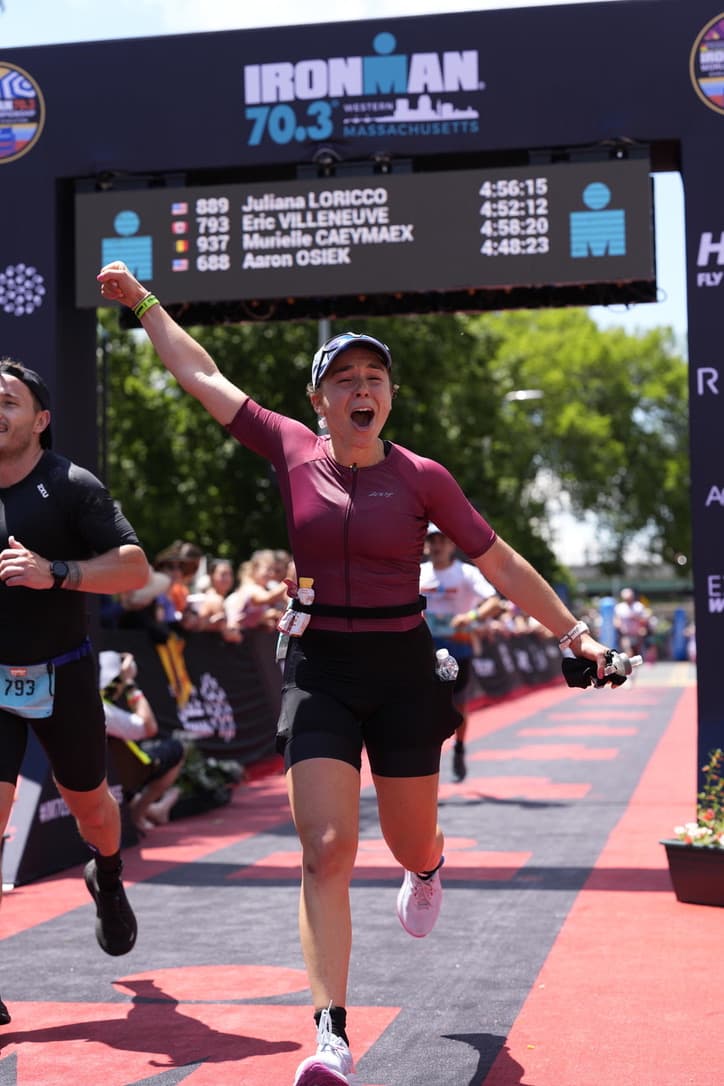
Running in Purple
A Law Student’s Journey Beyond the Finish Line.
Heat Acclimatization Before a Summer Ultra: Why You Can't Just Hope for Cool Weather
The biggest summer ultras — Western States, Hardrock, Leadville, UTMB — send athletes through environments where heat is a primary physiological stressor, not a background variable. Arriving without deliberate heat preparation is a choice that shows up in the canyons, not on paper.