Running Oslo: Nordmarka, Bislett, and the Home of Scandinavian Athletics
By ZealZag TeamOslo has a particular claim on the destination runner that most European capitals can't make. It has a famous oval with a world-record history. It has a forest the size of a small country starting within the city's metro network. It has a marathon. And it has a running culture so deeply embedded in the national identity that the Norwegian concept of tur — a run or walk into nature, the thing Norwegians do every weekend regardless of weather — has no obvious equivalent in any other language, because no other language had quite the same need for it.
This is where the Bislett Games happens every June. But the stadium is not the reason athletes return year after year. The reason is the combination: a world-class meet on Wednesday, Nordmarka on Thursday morning, the fjord waterfront in the evening. Oslo as a running destination concentrates more quality infrastructure within a short radius than any other city in its population bracket.
The Runs
Nordmarka — the forest from Frognerseteren (12–60km, variable). Take the metro Line 1 to the end of the line at Frognerseteren — above the city at roughly 450 metres elevation — and you are at the southern edge of one of the largest city-adjacent forests in Europe. Nordmarka covers approximately 2,700 square kilometres of conifer and birch forest north and northwest of Oslo. The trails here are maintained by the Skiforeningen (the ski association) and marked year-round. In June, the paths are dry and clear. A 12-kilometre loop returns to Holmenkollen station; a 25-kilometre day route exits at another metro station; a full traverse northward into the forest's centre can run 40 kilometres before doubling back. No permits. No fees. Bring water.
Holmenkollen ridge — the view run (8km from the metro, 250m of climbing). The Holmenkollen ski jump hill has its own metro stop and a Nordic Skiing Museum below the ramp. The trails around the jump complex form a 6–8 kilometre loop with views over central Oslo and the Oslofjord. On clear June days the fjord's archipelago is visible from the ridge. This is Oslo's postcard run: enough elevation to feel like proper countryside, close enough to the city to fit before an evening at the Bislett Games.
Vigeland Park perimeter (2.4km loop, flat). The city's largest park contains Vigeland's monumental sculpture installation and is one of Oslo's most-used running circuits. The perimeter path is 2.4 kilometres — a standard interval loop for the Frogner district's many running clubs. At 06:00 on a Bislett Games morning it is busy enough to feel like company and quiet enough to run at your own pace. Connect to the adjacent Frogner district streets for a 5–7 kilometre road run toward the fjord.
Aker Brygge and the fjord promenade (5–10km, flat). Oslo's waterfront from Aker Brygge through Tjuvholmen to the Sørenga peninsula is largely car-free and consistently scenic — the Oslofjord on one side, the city's contemporary harbour architecture on the other. The Sørenga outdoor swimming area at the east end is one of Oslo's best post-run amenities in summer: cold seawater from the fjord, free entry, changing rooms. Running out and back covers 8 kilometres of easy terrain that serves as a useful active-recovery day between harder efforts.
The Oslo Marathon
The Oslo Marathon runs in September, typically in the third week of the month. The course covers central Oslo, the Aker waterfront, and a section of the Bygdøy peninsula. Flat by Scandinavian standards; the only meaningful gradient is the Rådhusbrygge approach and the Bygdøy out-and-back. The race draws roughly 20,000 participants across the marathon and half-marathon, with invited elites producing consistent sub-2:10 men's and sub-2:20 women's times.
It is not a World Marathon Major, but Oslo's race organisation — the same operational culture that runs the Bislett Games — handles logistics at a level most mid-sized city marathons don't reach. Registration opens in January. September hotel availability is reasonable. For runners who want a legitimate target race around a Scandinavian running trip, the Oslo Marathon fits well after a Bislett Games visit in June.
Connect with training partners, earn travel miles, and discover terrain worth crossing borders for.
Join ZealZagFollow us on InstagramWhere to Stay
Majorstuen / Frogner district. The immediate Bislett Stadion neighbourhood. Walking distance to the track, four metro stops to Holmenkollen, easy road access to Vigeland Park and the fjord. Boutique hotels and serviced apartments are available in the district at moderate Oslo prices. Most visiting athletes at the Bislett Games use this area.
Grünerløkka. East of the centre, the city's most restaurant-dense neighbourhood. More evening activity than Majorstuen. Slightly further from Nordmarka access but still close to the waterfront run and the city's eastern trail network.
Sentrum (city centre). Standard city-centre hotels near Oslo Central Station, with the best transit connections but less neighbourhood character for a running-based stay.
How to Get There
Oslo Gardermoen Airport (OSL) is the main international hub. The Flytoget airport express train runs every 10 minutes and reaches Oslo Central Station in 19 minutes — one of the more reliably efficient airport rail links in Europe. Trains continue to Nationaltheatret and Majorstuen for direct Bislett access without a taxi or Uber. Bike carriage is permitted outside peak hours; check the Flytoget's current bike policy before booking.
Direct flights from London (Heathrow and Gatwick), Amsterdam, Paris, Frankfurt, Copenhagen, and most major European hubs run multiple times daily. North American connections typically route through London, Amsterdam, or Frankfurt.
What Else to Do
The National Museum. Norway's main art museum, hosting Munch's The Scream alongside an extensive Nordic and international collection. A full-day visit; plan to arrive when it opens to avoid the late-morning crowds.
Bygdøy peninsula. The Viking Ship Museum, the Kon-Tiki Museum, and the Norsk Folkemuseum are all accessible by ferry from Aker Brygge. A coherent rest-day programme on a single peninsula thirty minutes from the city centre.
Tjuvholmen sculpture park. Free outdoor installation adjacent to the Astrup Fearnley Museum of Modern Art. Worth the detour from the waterfront run — ten minutes from Aker Brygge and an effective excuse to extend the fjord loop.
Open-track sessions. Several Oslo athletics clubs — including Bislett-adjacent clubs in the Majorstuen district — offer public track sessions during Diamond League week. The event's proximity concentrates the city's serious running community in one place and creates an unusually accessible network for visiting athletes looking to train with locals.
Frequently Asked
When is the best time to run in Oslo besides Diamond League week? May and September are ideal. Temperatures 10–18°C, long daylight, dry conditions. July is Oslo's warmest month (peak around 22°C in the city) but July is also when Norwegian families are on summer holiday and the city's energy shifts. Winter running in Oslo is a real and popular activity — trail spikes and a headlamp for Nordmarka from November through March — but the June and September windows are the best for destination runners without polar experience.
Is Nordmarka navigable without a guide? Yes. Trails are marked, mapping apps (Maps.me, Strava, the Skiforeningen app) have comprehensive coverage, and the forest returns to metro stops or road crossings frequently enough that navigation errors are easily recovered. The forest is not dangerous; getting lost adds time, not risk.
How does Oslo compare to other Scandinavian running destinations? Different character from Stockholm or Copenhagen. Oslo's proximity to genuine mountain terrain — Nordmarka is not a suburban greenway but a real forest at 450m elevation — puts it closer to what runners describe as "trail destination" than either of the other Scandinavian capitals. For sustained mountain running with technical terrain, the Norwegian mountains around Bergen or the Rondane massif are the next step up. Oslo is the gateway.
Where can I find running partners in Oslo during Bislett Games week? Connect with athletes already training in Oslo via Find Athletes in Norway on ZealZag.
For the Bislett Games 2026 competition coverage, see our Oslo Diamond League field report.
Keep reading
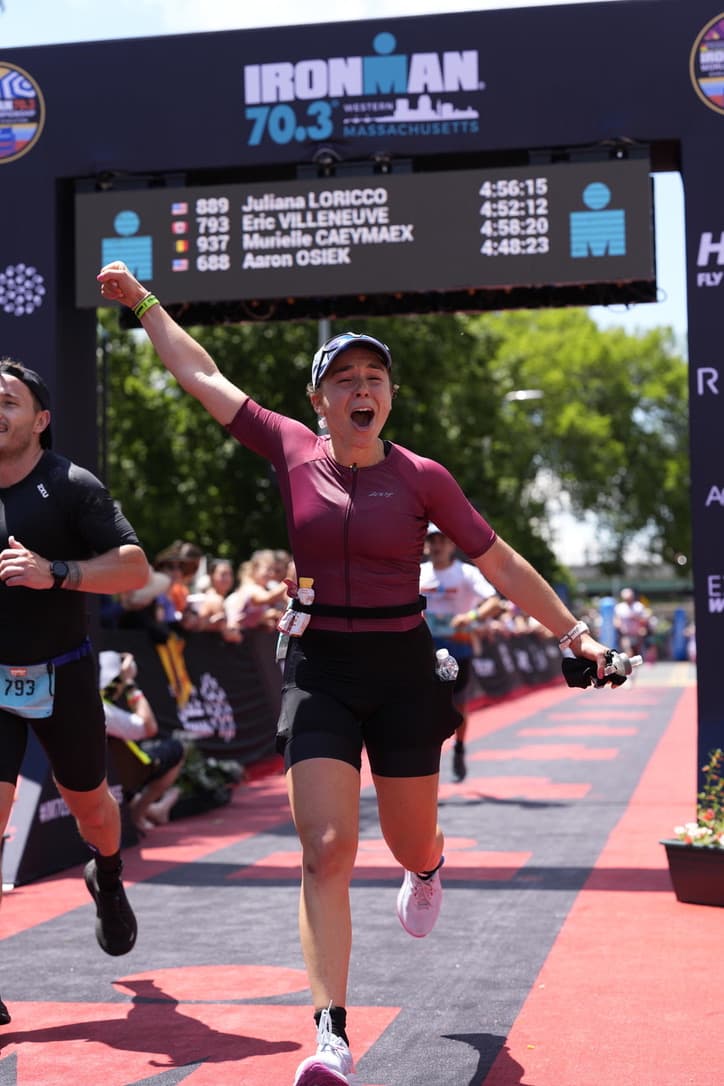
Running in Purple
A Law Student’s Journey Beyond the Finish Line.
Val d'Aran: Trail Running the Pyrenees' Atlantic Outlier
The Val d'Aran drains north toward France, speaks Occitan, and holds some of the most remote high-mountain terrain in the Pyrenees — a UTMB World Series European Major in a valley that most trail runners only hear about when the race calendar lands in their inbox.
Race the Route: Stage 8 of the 2026 Tour — Périgueux to Bergerac Through the Dordogne
Today's Stage 8 is a flat 180.4 km run from Périgueux to Bergerac through the Dordogne. Here's how to ride the same terrain the peloton races — and turn it into your own endurance session.