Kalymnos: The Greek Island Built for Climbers
By ZealZag Team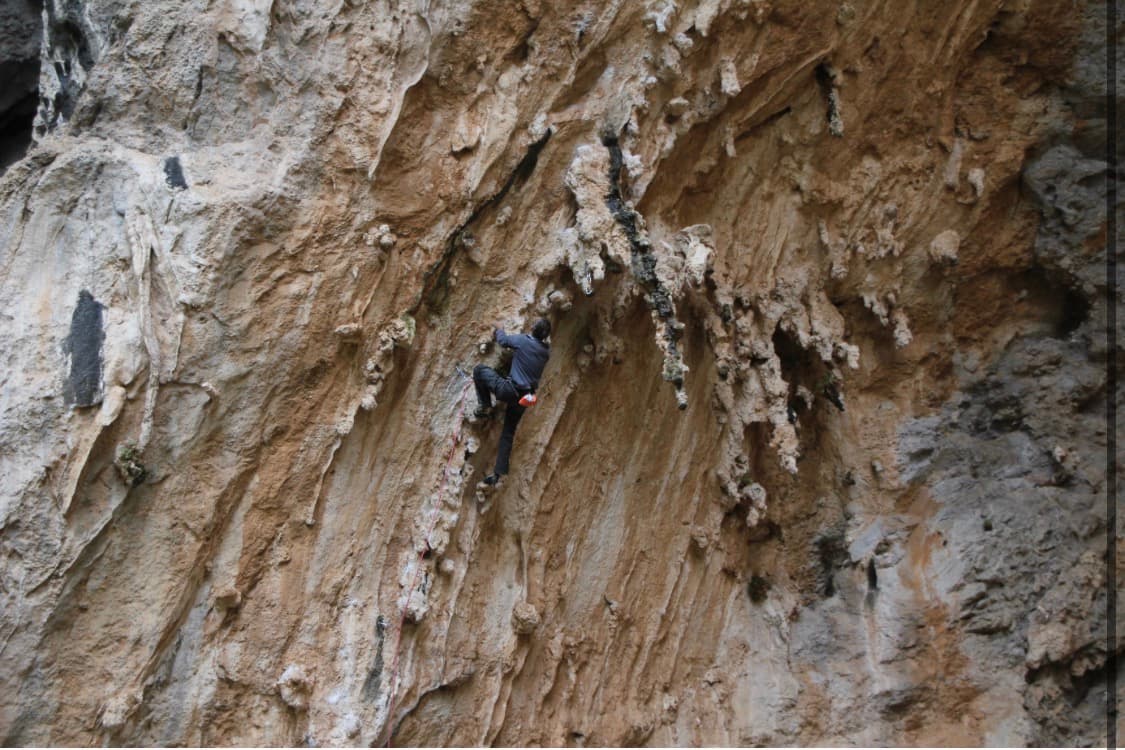
Fly into Kos, cross a short stretch of the Aegean, and a small Greek island rises out of the water as a wall of gray limestone. Kalymnos is a small island, and it is also one of the best known sport climbing destinations in the world, with thousands of bolted routes spread across the island and the smaller island of Telendos just offshore.
How it started
The story begins with one holiday. In 1996, the Italian climber Andrea di Bari was vacationing in the Dodecanese with his wife and noticed the rock. He returned the following spring and bolted the first routes at Arhi, Odyssey and Poets, sectors that are still among the island's best known. Climbers followed, more routes followed them, and the island grew into a climbing destination within a couple of decades. An EU funded project later rebolted around 250 routes, completed in 2016, to keep the older climbs in good condition.
The rock
The stone is limestone, and it is the reason climbers come. The walls offer tufas, stalactites, pockets and long overhangs, which reward stamina and strong fingers. Because the island's cliffs face different directions, there is climbing to suit the day. Some sectors sit in shade or catch the sea breeze, such as Local Freezer, Glaros and Black Buddha, while others take the sun.
The numbers
The online database theCrag lists more than 4,600 routes across 16 areas on Kalymnos and Telendos, almost all of them sport climbs. The grade spread is the island's biggest draw for visiting climbers:
\| French grade | Approximate routes |
\| 4a to 4c+ | 140 |
\| 5a to 5c+ | 775 |
\| 6a to 6c+ | 2,220 |
\| 7a to 7c+ | 1,160 |
\| 8a to 8c+ | 260 |
\| 9a to 9a+ | 11 |
More than half of the routes fall between 6a and 6c, which makes the island especially good for climbers working in the middle grades. At the top end, sectors such as Odyssey and Grande Grotta reach 8a and beyond, so there is also plenty to try for stronger climbers. Odyssey alone has around 60 climbs running from 4a up to 9a by one count.
Telendos
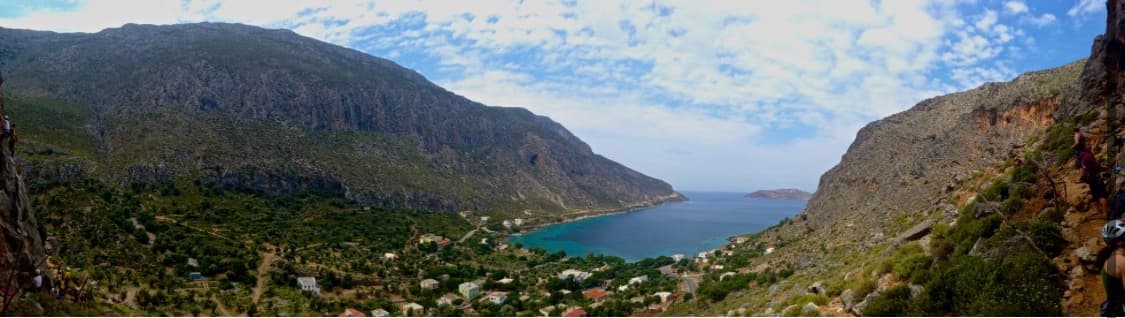
A short boat ride from the main island, Telendos has crags of its own, among them Glaros, Pescatore, Inspiration and Lamda. Glaros alone runs from 5a to 8c. The island is quieter than the main coast and is a favorite day trip for climbers looking for a change of scene.
When to go
Climbing is possible through most of the year, and the island's best months are the shoulder seasons.
| Season | What to expect |
|---|---|
| September | The main season begins as the summer heat fades. |
| October | Frequently named the best month overall, with stable weather, a sea still warm from summer, and the largest crowds at popular sectors. |
| November | Cooler and calmer, with the occasional rainy spell. |
| April | Fewer climbers than in autumn. Some tufas may still be damp after the winter rains. |
| May | Sunny and pleasantly warm, roughly 18 to 25 degrees Celsius, just before summer heat sets in. |
| June to August | Daytime highs of 34 to 35 degrees Celsius. Climbers tend to climb early or late in the day and choose shaded sectors, with the Meltemi wind offering some relief. |
| December to February | Mild enough to climb on sunny days, especially on south facing crags such as Arhi. January is usually the wettest month. |
These seasonal details come from climbing guides and travel accounts, and weather varies from year to year, so check a forecast before you book. In recent years the Kalymnos Climbing Festival has been held in mid October, in 2025 from October 16 to 19, and it brings climbers from many countries to the village of Masouri, on the island's west coast. Check the official festival page for the 2026 dates.
Getting there
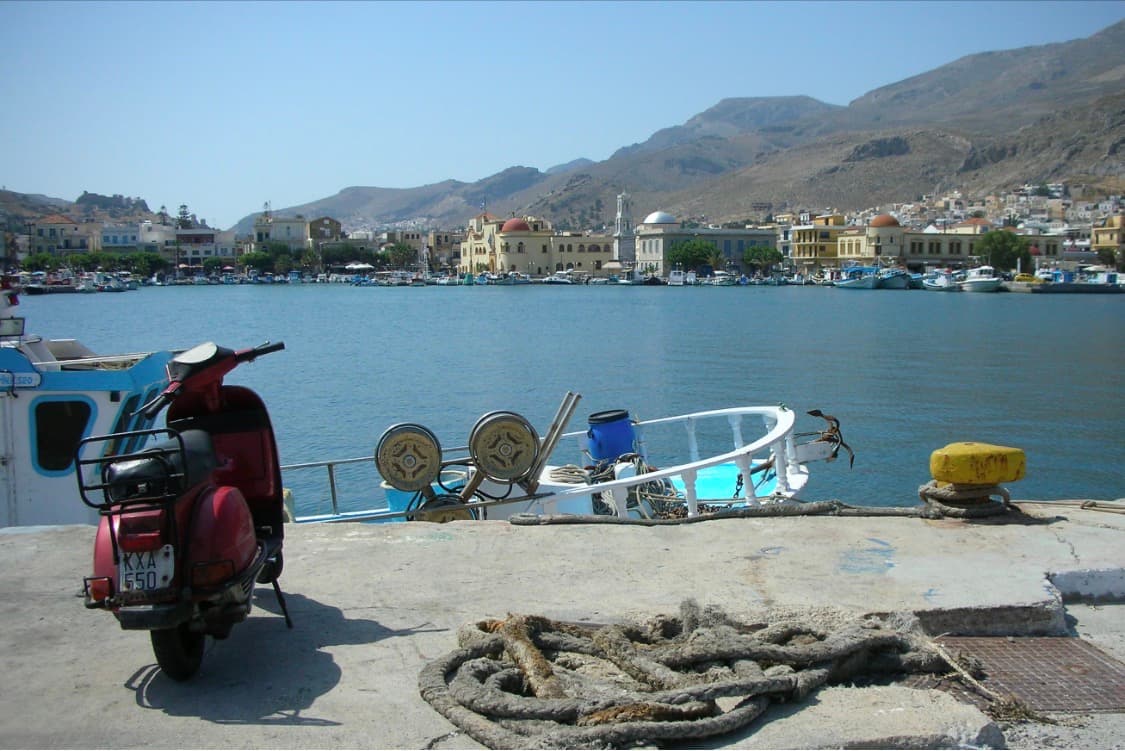
Most visitors fly into Kos and continue by ferry to Pothia, the island's main port, in under an hour. Kalymnos also has its own small airport with flights from Athens, though weather can disrupt them. From Pothia, the climbing villages of Masouri, Myrties and Armeos are a short taxi ride away. Prices and schedules change, so confirm them before you travel.
Why it matters for traveling athletes
Kalymnos shows what happens when a place builds itself around a sport. Routes are bolted and documented, climbers gather in the same few villages, and visitors find partners, advice and conditions information as soon as they arrive. For a climber planning a trip, the question is rarely where the climbing is. It is who to climb with, which sector to try first and how to spend the day when the wall is in the sun.
Keep reading
Krakow for Climbers: Polish Jura Limestone, Tatra Granite, and a UNESCO Old Town Base
Poland's best base city for outdoor climbing sits 25 kilometres from the limestone crags of the Jura and two hours from the granite of the Tatra Mountains — and its Old Town is one of Central Europe's best rest-day destinations.
Climbing Southern Poland: Jura Limestone and Tatry Granite
Two climbing landscapes within two hours of each other: the Jurassic limestone crags of the Jura Krakowsko-Częstochowska, stretching 190km north of Krakow, and the granite walls of the High Tatry — Poland's answer to Finale Ligure, without the crowds.