Training in Iten: What Kenya's Running Capital Is Actually Like for Visiting Athletes
By ZealZag TeamIten sits at approximately 2,400 metres on the escarpment edge of the Rift Valley in Kenya's Elgeyo Marakwet County, and on most mornings the main road out of town is shared by visiting runners from Europe, Japan, and North America and local training groups moving at paces that suggest the altitude is a theoretical concern rather than a practical one. The gap between what the visitors can do and what the local athletes are doing tends to narrow during the first week of an altitude camp, and then narrow further in the second, and then reveal itself as a structural difference that has little to do with the air.
What Iten Is
The town itself is small: a main road, a market, a few medical clinics, several churches, and the guesthouses and camps that have grown up around a steady flow of foreign athletes. What gives Iten its character is the concentration of serious athletic talent that lives and trains here. St Patrick's High School, established in 1961, has produced a remarkable number of Kenya's distance running champions. The school's programme — multiple daily runs beginning before dawn, serious competitive exposure from secondary school age — has been documented by journalists and sports scientists as one of the environments that explains the town's outsized output of elite talent.
But Iten's reputation draws athletes beyond the school's alumni network. Multiple dedicated training camps and guesthouses have been established to accommodate visiting runners. The High Altitude Training Centre (HATC) is among the best-known of these, offering accommodation, training support, and coaching access within an environment where running well is the common purpose rather than the unusual one. Lornah Kiplagat — the Dutch-Kenyan distance runner who competed at multiple Olympic Games and World Championships — established a camp in Iten that has hosted athletes from dozens of countries.
The daily visual of running here: a dirt road through rolling farmland, red laterite underfoot, maybe a group of fifteen to twenty Kenyan athletes moving at 3:30 per kilometre on their easy day, and a handful of foreign visitors doing the same roads at whatever pace the altitude allows. The altitude allows less than you think it will, initially.
Why the Altitude Works
The physiology of altitude training is established enough to be the standard preparation approach for distance events at elite level. Training at 2,400 metres in a reduced-oxygen environment stimulates increased erythropoietin production, which drives a rise in red blood cell mass and, consequently, improved oxygen-carrying capacity when returning to sea level. The magnitude of this adaptation varies between individuals, and research on the optimal altitude, duration, and training load for maximising it is more nuanced than the simple "high altitude makes you faster" premise often applied.
What Iten's altitude produces in practice: an aerobic training stimulus that is meaningfully higher than at sea level, a red-dirt road surface that reduces cumulative impact load relative to tarmac, and cool morning temperatures — the altitude keeps early mornings at roughly 8–12°C even this close to the equator — that make high-volume training sessions manageable in a way that humid lowland environments do not.
Connect with training partners, earn travel miles, and discover terrain worth crossing borders for.
Join ZealZagFollow us on InstagramThe Structure of a Training Day
Visiting runners typically adopt a modified version of the local double-session model:
Morning session: Starts at 5:30–6:00am. Road runs of 10–20km depending on training phase, on the murram (laterite) roads that radiate from the town. The murram surface is firm but slightly yielding — significantly more forgiving than asphalt — and is one of the consistent environmental advantages that athletes who have trained here cite alongside the altitude itself.
Afternoon session: A second run of 6–12km, typically easier in intensity, around 15:00 as the day's warmth peaks and begins to drop. Air temperature in the afternoon reaches 22–26°C in the dry season, low humidity.
For visiting athletes running at sea-level fitness against a 2,400-metre backdrop, both sessions will feel harder than they should for equivalent effort at home. The standard adaptation guidance: arrive at least a week before you expect to train meaningfully, reduce volume and intensity in the first 5–7 days, and treat early sessions as investment in the adaptation that follows rather than wasted training.
The Roads and Routes
The running routes accessible from Iten are the red dirt tracks connecting the town to surrounding farmland and smaller settlements. There are no trails in the technical mountain-running sense — no single-track, no technical scrambling — but the road network covers rolling terrain on the escarpment edge with elevation variation of 50–200 metres per section, providing terrain variety without requiring trail technique.
The main tarmac road connecting Iten to Eldoret (north) and Kabarnet (south) carries vehicle traffic that makes it uncomfortable for running. Most training routes use the quieter side tracks. For athletes who want to vary their routes, the forest roads around Kaptagat — approximately 20 kilometres from Iten — offer shaded, cooler running and are used by some of Kenya's most prominent professional training groups. These are accessible from Iten if transport can be arranged.
Track training: a track surface exists at some facilities in the area, and local coaches can advise on access. For interval sessions requiring a measured surface, confirm with your camp in advance rather than assuming a track is available on arrival.
Getting There
By air: Eldoret International Airport (ELD) is the nearest airport to Iten, approximately 45 kilometres north. Kenya Airways and Safarilink operate scheduled domestic services connecting Nairobi Wilson Airport to Eldoret; flight time is approximately one hour. From Eldoret, the drive to Iten takes 35–45 minutes by private hire vehicle — confirm in advance with your camp, as many include airport transfer in their packages.
By road from Nairobi: approximately 5–6 hours on the A104 and A1 highway via Nakuru and Eldoret. Several private transfer services operate this route; matatus (minibuses) connect Eldoret to Iten regularly if you are arriving with light luggage.
International connections: Nairobi Jomo Kenyatta International (NBO) is well-served by British Airways, Kenya Airways, Turkish Airlines, Emirates, Ethiopian Airlines, and KLM, among others. Direct flights from London to Nairobi are approximately 8.5 hours; from New York approximately 14–15 hours.
When to Go
Iten receives rainfall in two seasonal windows: the long rains from approximately April through June, and the short rains in October and November. Both bring afternoon and evening rainfall and muddier road conditions that make the murram tracks less reliable for high-mileage training.
The optimal windows are December through March and July through September: cool, dry mornings, firm roads, clear skies. December to January sees many European professional athletes and amateur runners using the camp infrastructure before their spring racing season; July to August attracts runners building for autumn road race targets.
Who Benefits Most
Iten makes most sense for:
- Road marathon and half-marathon runners completing a base block or race-specific preparation 8–16 weeks out from a target race
- Track athletes in middle and long distance (800m–10,000m) seeking a high-altitude training stimulus alongside structured coaching access
- Experienced amateur runners who have already developed strong aerobic base at sea level and want to understand what altitude training actually involves before building a more extended camp
Athletes who rely heavily on track-based interval sessions at controlled pace, or who have specific physiotherapy requirements that need consistent clinical support, should confirm service availability with individual camps before booking. Iten's medical infrastructure is more limited than a major city, and the nearest well-equipped hospital is in Eldoret.
The altitude is real. The roads are what they are. The community of people training around you creates an environment that is functionally different from a hotel gym in a European city with a nice track nearby. Whether that environment produces what you are looking for depends on arriving with a clear training structure, realistic expectations for the first week, and enough time for the adaptation to do what altitude adaptation does.
Keep reading
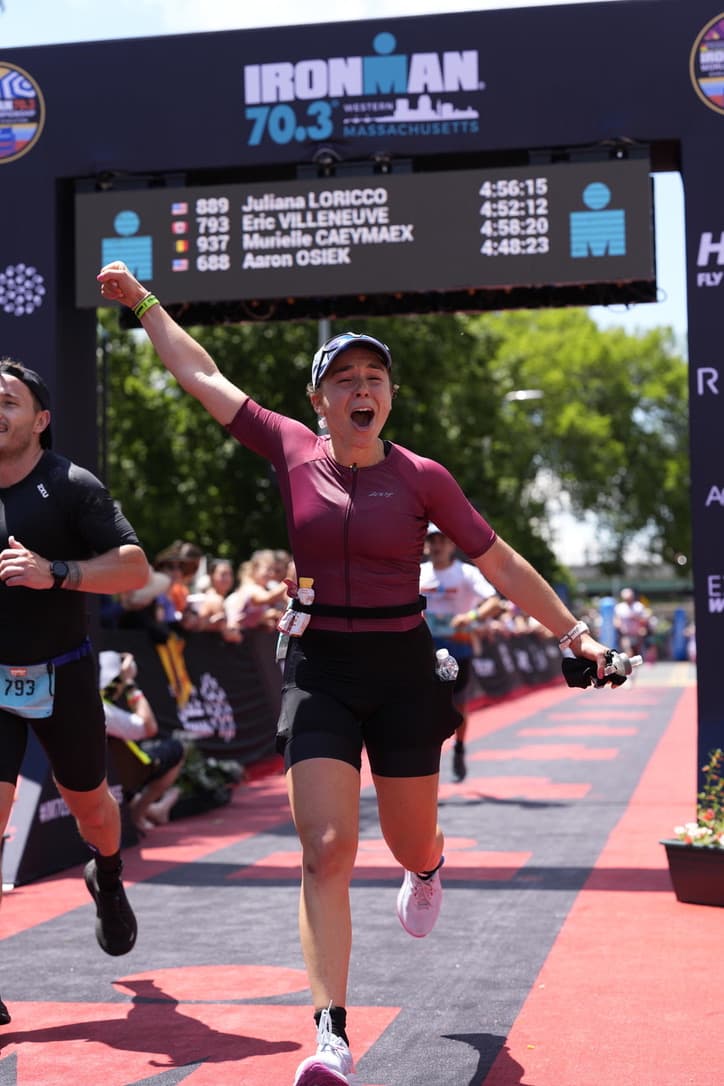
Running in Purple
A Law Student’s Journey Beyond the Finish Line.
Road Running Shoes: What the Categories Actually Mean and How to Choose Between Them
The road running shoe market has fractured into distinct categories over the last decade, driven largely by carbon plate technology. Understanding what each category is built to do — and what it is not — prevents expensive mistakes and, more importantly, prevents buying race-day performance at the expense of training health.
Tarifa: The Strait Wind Capital That Makes and Breaks Kitesurfers
At the southernmost tip of continental Europe, where the Atlantic forces itself through the Strait of Gibraltar to meet the Mediterranean, Tarifa has been the default kitesurf destination for European athletes since the sport found commercial footing in the late 1990s. The wind is the reason. The town, the culture, and the logistics are worth understanding before you commit to your first trip.