Zugspitze: Germany's Highest Peak for Trail Runners and Ski Tourers
By ZealZag Team
Photo by Joshua Earle on Unsplash
The Crown of the German Alps
The Zugspitze stands at 2,962 meters — Germany's highest point and one of the most accessible major peaks in the Alps. From the summit, you straddle the border between Germany and Austria, looking out over a sea of peaks that stretches from the Wetterstein range deep into the Tyrolean Alps.
What makes the Zugspitze exceptional for athletes isn't just the summit. It's the variety of routes, the world-class infrastructure, and the fact that you can combine a serious mountain effort with the cultural depth of Garmisch-Partenkirchen, one of Europe's great alpine towns.
The Hollental Route
The Hollental (Hell Valley) route is the classic athletic approach to the summit. It starts from Hammersbach, just outside Garmisch, and climbs through a dramatic gorge before ascending through alpine meadows, a glacier crossing, and a final scramble to the top.
The route covers about 2,200 meters of vertical gain over roughly 10 kilometers. Strong trail runners complete it in four to five hours; most hikers plan for seven to nine. The crux sections include the Hollental via ferrata — a series of iron rungs and cables fixed into the rock face — and the Hollentalferner glacier, which requires crampons and sometimes a rope depending on conditions.

Connect with training partners, earn travel miles, and discover terrain worth crossing borders for.
Join ZealZagFollow us on InstagramPartnachklamm Gorge
Before or after your summit attempt, the Partnachklamm gorge deserves its own visit. This 700-meter-long canyon has been carved by the Partnach River into walls that rise 80 meters above you. A narrow path — sometimes tunneled through the rock itself — runs along the gorge with water thundering past at arm's length.
Athletes use the gorge as a warm-up run or a recovery walk. The trail through and beyond the gorge connects to a network of paths that climb into the surrounding mountains, making it a perfect starting point for longer training loops.
Ski Touring Season
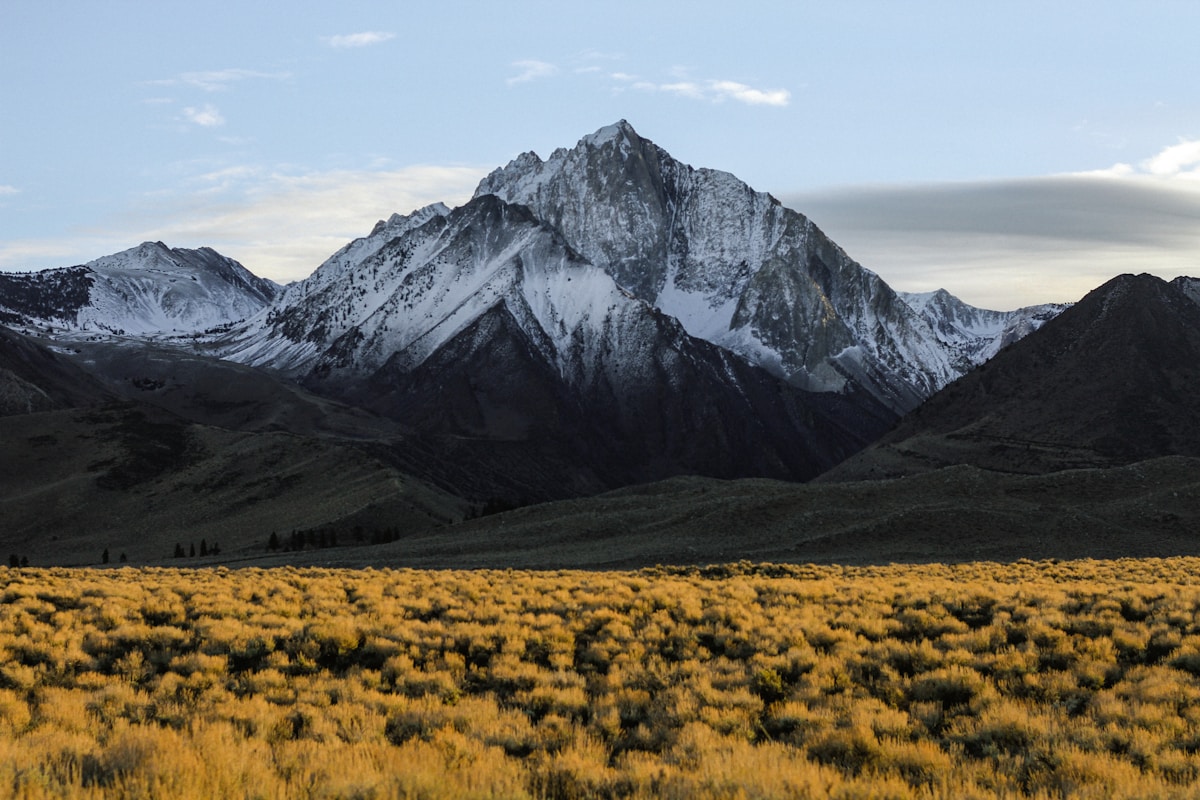
When winter transforms the Zugspitze area, the mountain becomes one of Germany's premier ski touring destinations. The Zugspitzplatt — a high plateau below the summit — offers glacier skiing, while the surrounding valleys provide backcountry routes through pristine powder.
Popular touring routes include the approach from Ehrwald on the Austrian side and circuits around the Reintal valley. The altitude range means you can find snow well into spring, and the cable car infrastructure lets you mix touring days with resort skiing for recovery.
 ::credit[Photo by Luca Bravo on Unsplash]
Cross-Border Access
One of the Zugspitze's unique advantages is its position right on the Austrian border. From the summit, you can descend into Austria's Ehrwald valley, opening up an entirely different set of trails, mountain huts, and training terrain. The Tyrolean side tends to be quieter than the German approach, with longer valley runs and more remote alpine pastures.
For athletes planning a multi-day trip, combining German and Austrian routes creates a loop that covers dramatically different terrain and adds cultural variety — different huts, different food, different vibes on either side of the border.
Garmisch-Partenkirchen as a Base
The town itself is a legitimate training base. Garmisch hosted the 1936 Winter Olympics and continues to host World Cup skiing events. The infrastructure for athletes is excellent — well-marked trail networks, sports shops, physiotherapy clinics, and restaurants that understand what a hungry athlete needs after a big day in the mountains.
The train connection to Munich means you can fly into a major international hub and be at the trailhead the same afternoon.
Connect With Alpine Athletes on ZealZag
The Zugspitze area attracts a dedicated community of mountain athletes year-round. Whether you're planning your first Hollental attempt or scouting ski touring lines for winter, the ZealZag community has athletes who know these mountains intimately. Share your route, post your conditions report, and connect with others who are drawn to Germany's rooftop.