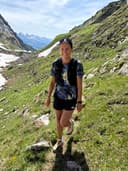
Switzerland for Athletes: The Alps at Their Best
By ZealZag Team
Switzerland is where the Alps become the Alps. Other countries share the range. France has Chamonix. Italy has the Dolomites. Austria has the Tyrol. But Switzerland sits at the geographic and spiritual centre of the chain, and the terrain here, the glaciers, the passes, the valleys, the villages, sets the standard against which every other mountain destination is measured.
Why Is Switzerland the Benchmark for Mountain Sport?
Three things separate Switzerland from every other Alpine country. First, the infrastructure. The Swiss rail and cable car network means you can reach 3,000 metres from the valley floor in 20 minutes. The mountain hut system is the most extensive in the Alps, with over 150 SAC huts providing hot meals and beds at altitude. The trails are marked, maintained, and graded with Swiss precision.
Second, the terrain. The Bernese Oberland, the Valais, the Engadin, and the Ticino each offer distinct mountain landscapes within a country you can cross in five hours by train. The Matterhorn, the Eiger, the Jungfrau, and Monte Rosa are among the most iconic peaks on Earth.
Third, the culture. Switzerland takes mountain sport seriously in a way that permeates daily life. Trail running is not a niche activity. It is normal. Cycling up mountain passes is weekend recreation. Ski touring is how people spend lunch breaks. The baseline fitness of the population is noticeable.
Where Should Trail Runners Go in Switzerland?
The Eiger Ultra Trail runs 101 kilometres around the Eiger, Mönch, and Jungfrau in the Bernese Oberland. The course gains 6,700 metres through terrain that includes glacier viewpoints, alpine meadows, and technical ridgeline traversals. It is one of the most scenic ultra courses in the world.
The Haute Route on foot from Chamonix to Zermatt covers 180 kilometres over 10 to 12 days through the highest terrain in the Alps. The trail crosses passes above 2,800 metres daily, with views of the Monte Rosa massif, the Grand Combin, and finally the Matterhorn. Trail runners complete it in 3 to 5 days.
The Swiss Peaks trail in the Valais covers 170 kilometres with 11,000 metres of climbing through the Pennine Alps. It is one of the most demanding trail races in Switzerland and passes through terrain that is genuinely wild.
For accessible trail running, the Five Lakes Walk at Pizol in the eastern Alps covers 10 kilometres past five mountain lakes between 2,222 and 2,456 metres. The trail is well-maintained and the views across to the Austrian Alps are constant.
Zermatt offers trail running with the Matterhorn as permanent backdrop. The 5 Lakes Trail, the Höhbalmen route, and the Europaweg, a spectacular high-level path to Grächen, provide options from 2 to 8 hours.
Connect with training partners, earn travel miles, and discover terrain worth crossing borders for.
Join ZealZagFollow us on InstagramHow Good Is Cycling in Switzerland?
The Swiss cycling passes are among the most beautiful and challenging in Europe. The Furka Pass, the Grimsel Pass, the Susten Pass, and the Gotthard Pass form a network of high-altitude road climbs in the central Alps that can be linked into multi-day tours.
The climb to the Furka Pass reaches 2,429 metres and passes the Rhône Glacier. The road featured in the James Bond film Goldfinger and the views across the Bernese Alps from the summit are extraordinary.
The Flüela Pass in Graubünden climbs to 2,383 metres through the Engadin valley. The approach from Davos is steady and scenic. The descent to Susch is fast and technical.
For a car-free experience, many Swiss passes close to cars on specific days for cycling events. The Alpenbrevet sportive covers 275 kilometres with over 7,000 metres of climbing across five passes in a single day. It is one of the hardest one-day cycling events in Europe.
What About Skiing in Switzerland?
Verbier, Zermatt, St. Moritz, and Andermatt are the headline resorts. Each offers something different.
Verbier has the steepest in-bounds terrain in Switzerland. The Mont Fort glacier reaches 3,330 metres. The Bec des Rosses face hosts the Freeride World Tour final each year.
Zermatt offers the highest lift-served skiing in Europe at 3,883 metres on the Klein Matterhorn. The Matterhorn Glacier Paradise provides skiing from November through May. The connection to Cervinia in Italy extends the terrain across the border.
For ski touring, the Haute Route from Chamonix to Zermatt on skis is the most famous multi-day tour in the world. Six days of glacier travel through high-altitude terrain. It requires crevasse rescue skills and genuine alpine fitness.
St. Moritz in the Engadin has hosted two Winter Olympics. The Corviglia ski area rises to 3,057 metres. The cross-country skiing infrastructure in the valley is among the best in the world, with 230 kilometres of groomed trails.
Can You Climb in Switzerland?
The granite of the Grimsel region is world-class. Multi-pitch routes on clean rock with views across the Aar Glacier. The Eldorado climbing area near Meiringen has hundreds of sport routes on limestone.
For alpine climbing, the 4,000-metre peaks of the Valais provide mountaineering objectives from moderate to extreme. The Matterhorn via the Hörnli Ridge is the most famous climb in the Alps. The Breithorn at 4,164 metres is the easiest 4,000er and provides a taste of high-altitude alpinism.
The bouldering at Magic Wood in Graubünden is among the best in Europe. Gneiss boulders scattered through a pine forest with problems from V0 to V16.
How Expensive Is Switzerland?
Switzerland is expensive. A restaurant meal costs 25 to 50 CHF. A beer is 7 to 8 CHF. Accommodation in mountain towns ranges from 60 CHF for a hostel to 300 CHF for a hotel.
The SAC mountain huts cost 50 to 80 CHF per night with dinner. The Swiss Travel Pass covers trains, buses, and lake boats and offers discounts on cable cars. For athletes on a budget, camping, self-catering, and the hut system make Switzerland manageable.
When Is the Best Time?
June through September for trails and cycling. The high passes open by late June. July and August are warmest. September brings stable weather and autumn colour.
December through April for skiing. The glacier resorts extend the season into May and June.
ZealZag members across Switzerland share trail conditions, hut availability, and pass openings. Connect before you go.
Meet a ZealZag Athlete