La Palma, Canary Islands: A Volcanic Paradise for Trail Runners
By ZealZag Team
Photo by Lena Skuratovskaya on Unsplash
The Island Built for Running
La Palma is the greenest and most vertical of the Canary Islands. It rises from the Atlantic Ocean to 2,426 meters at the Roque de los Muchachos, packing an absurd amount of altitude variation into an island just 45 kilometers long. For trail runners, this means you can train at sea level in the morning and be running above the clouds by afternoon.
The island has quietly built a reputation as one of Europe's best trail running destinations. The annual Transvulcania ultramarathon put La Palma on the map for endurance athletes, but the real story is the everyday training — hundreds of kilometers of marked trails through volcanic landscapes, laurel forests, and coastal paths that are available year-round.
The GR 130: Circling the Island on Foot
The GR 130 is La Palma's long-distance coastal path, a roughly 130-kilometer loop that circles the entire island. It connects villages, crosses ravines (called barrancos), and passes through banana plantations, pine forests, and volcanic badlands.
Most hikers take about eight days to complete the full circuit. Trail runners can push through it in three to four days, using the small towns along the route for resupply and accommodation. The beauty of the GR 130 is its variety — no two sections feel the same, and the constant ocean views keep your spirits high even when the legs are heavy.

Connect with training partners, earn travel miles, and discover terrain worth crossing borders for.
Join ZealZagFollow us on InstagramThe Caldera de Taburiente
The Caldera de Taburiente is La Palma's geological centerpiece — a massive erosion crater nearly 10 kilometers wide, ringed by walls that rise over 2,000 meters. Inside, you'll find a network of trails that drop through pine forests to the river at the bottom, passing waterfalls and volcanic rock formations along the way.
The classic athletic route descends from the rim at Los Brecitos to the Playa de Taburiente at the bottom, then follows the Barranco de las Angustias out to the coast. This point-to-point run covers about 16 kilometers with roughly 1,500 meters of descent — fast, technical, and visually stunning.
For a bigger challenge, the rim trail (the Ruta de la Cresteria) traverses the entire crater edge at altitude, passing over the Roque de los Muchachos. It's exposed, rocky, and often above the cloud layer. The views are otherworldly — you're running along the edge of a volcanic amphitheater with the island falling away in every direction.
Altitude Training Without the Travel
One of La Palma's underrated advantages is its altitude profile. You can sleep at sea level and train at 2,400 meters within a 30-minute drive. This makes the island a practical altitude training destination without the logistics of a Himalayan or Andean base camp.
The volcanic terrain adds a training bonus — running on loose cinder, rough lava rock, and uneven trails builds proprioception and ankle stability that translates directly to race performance on any surface.
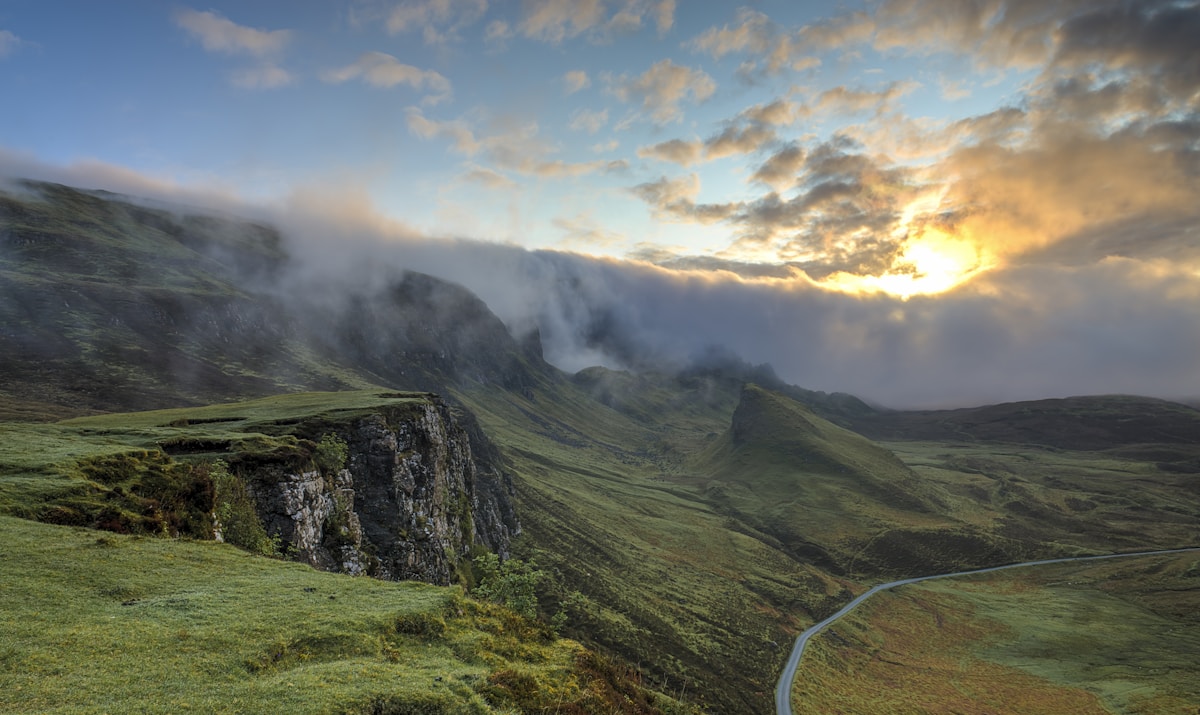 ::credit[Photo by Lukasz Szmigiel on Unsplash]
Year-Round Conditions
La Palma's subtropical climate means there's no off-season. Winter temperatures at sea level hover around 18 degrees Celsius, and even the summit rarely sees sustained freezing conditions. The trade winds push clouds into the northeast side of the island, creating a microclimate effect — the west coast is typically sunny and dry while the east side gets more moisture and lusher vegetation.
Rain is most common from November through February, but storms are usually brief. The trails dry quickly thanks to the volcanic soil, which absorbs water fast. Pack a light shell for altitude runs and you're covered for almost any conditions.
Join the La Palma Running Community on ZealZag
La Palma's trail running scene is tight-knit and welcoming. Local athletes know every path on the island and are generous with route recommendations and logistics tips. On ZealZag, you can connect with runners who've raced Transvulcania, find training partners for Caldera rim runs, and discover hidden trails that don't appear in any guidebook. Share your volcanic miles and help build the community around one of Europe's most spectacular running islands.