Basque Country: Where Surf Meets Mountains in 30 Minutes
By ZealZag Team
The Basque Country occupies a strip of northern Spain where the Pyrenees descend into the Bay of Biscay. In most of the world, you choose between mountains and ocean. Here, you get both within 30 minutes of each other. The surf breaks face the Atlantic. The trails climb into the Pyrenees. And the culture that connects them, the Basque culture, treats physical endurance and communal eating as two halves of the same tradition.
Why Is the Basque Country Perfect for Athletes?
The geography is the answer. From San Sebastián, you can surf La Zurriola beach at dawn, run a mountain trail in the morning, cycle a Pyrenean pass in the afternoon, and recover with pintxos and txakoli wine in the evening. All within a 40-kilometre radius.
The climate is Atlantic, which means mild year-round. Summer temperatures sit between 18 and 28 degrees. Winter rarely drops below 5. It rains, sometimes for days, but the rain keeps everything green and the trails runnable year-round at lower elevations.
The sports culture is embedded. The Basque Country has the highest participation rate in outdoor sport in Spain. Running clubs, cycling groups, and mountaineering societies are part of community life. Pelota, the Basque ball game, is played in every village. Strength sports, stone lifting, wood chopping, and tug of war, are competitive events with deep cultural roots. Athletes are not tourists here. They are participants in something that has been going on for centuries.
Where Should Surfers Go in the Basque Country?
Mundaka has one of the best left-hand river mouth breaks in Europe. When a northwest swell hits the sandbar at the mouth of the Urdaibai estuary, the wave peels for up to 400 metres. It is fast, hollow, and consistent from September through March. The town is small, the vibe is local, and the setting, a river estuary backed by green hills, is beautiful.
La Zurriola in San Sebastián is the city beach wave. A consistent beach break that works on most swell directions. The wave is punchy and fun, suitable for intermediate surfers. The old town is a five-minute walk from the water. Post-surf pintxos at Bar Nestor or La Cuchara de San Telmo are non-negotiable.
Sopelana and Bakio on the coast west of Bilbao offer beach breaks and reef setups with fewer crowds than San Sebastián. The Basque coastline has hundreds of surf spots spread across 200 kilometres. Many are accessible only by coastal trail, which means the effort to reach them filters out casual surfers.
Water temperature ranges from 12 degrees in winter to 22 in summer. A 4/3mm wetsuit handles most of the year. Summer sessions are comfortable in a 3/2mm.
Connect with training partners, earn travel miles, and discover terrain worth crossing borders for.
Join ZealZagFollow us on InstagramWhat Are the Best Trail Running Routes?
The Camino de Santiago passes through the Basque Country on its coastal route. The section from Bilbao to San Sebastián covers 170 kilometres along cliff edges, through fishing villages, and over mountain passes. Trail runners complete it in 2 to 3 days.
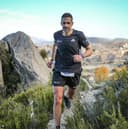
The Three Crowns trail near San Sebastián links the three peaks surrounding the city, Urgull, Ulia, and Igeldo, in a 25-kilometre loop that alternates between coastal cliff paths and forested mountain trails. The views across La Concha Bay from each summit are the finest urban trail views in Europe.
For mountain running, the trails into the Pyrenees from the Basque interior climb into serious terrain within an hour of the coast. The Aizkorri Natural Park has peaks above 1,500 metres with beech forest trails, exposed limestone ridges, and mountain huts for multi-day running.
The Ehunmilak ultra covers 168 kilometres through the Basque mountains with 10,700 metres of climbing. It is one of the most demanding ultra races in Spain and passes through terrain that ranges from Atlantic forest to alpine ridge.
How Good Is Cycling in the Basque Country?
The Basque Country has produced more professional cyclists per capita than any region in Europe. The climbs are short, steep, and relentless, which produces a particular kind of rider. The roads are well-maintained, the drivers are respectful, and the café stops in mountain villages are excellent.
The Jaizkibel climb from Hondarribia rises 450 metres in 9 kilometres with gradients touching 12 percent. It overlooks the French border and the Bay of Biscay. The descent to Pasaia on the other side is fast and technical.
For longer rides, the road from San Sebastián to Pamplona via the Velate Pass crosses from the Atlantic to the Mediterranean climate in 80 kilometres. The landscape shifts from green valleys to dry Navarrese plains. The climb is steady and scenic.
The Itzulia Basque Country, the professional stage race held each April, uses many of the same roads available to visiting cyclists. Riding a stage route the week after the pros is a Basque cycling tradition.
What Is the Pintxo Recovery Culture?
Pintxos are the Basque version of tapas, but better. Small, elaborately prepared bites served on bread or skewers, displayed on bar counters throughout the old town of every Basque city. San Sebastián has more Michelin stars per capita than any city except Kyoto.
The post-training ritual is the pintxo crawl. Move from bar to bar, one or two pintxos at each, with a glass of txakoli, the local sparkling white wine. The old town of San Sebastián has over 100 pintxo bars within a 500-metre radius. The quality is absurdly high. A full recovery meal costs 15 to 25 euros.
This is not a tourist gimmick. It is how Basque athletes eat after training. The bars fill with runners, cyclists, and surfers in the early evening. The social infrastructure of Basque sport is built on shared food and shared tables.
When Is the Best Time to Visit?
May through October for trail running and cycling. Summer is warm but not hot. September and October bring the best surf and stable weather.
For surfing, September through November offers the biggest and most consistent Atlantic swells. Winter swells continue through March.
The Basque Country is trainable year-round at lower elevations. Rain is common but rarely lasts all day. The green landscape that makes the Basque Country beautiful is maintained by the same rain that occasionally interrupts training.
ZealZag members across the Basque Country share surf forecasts, trail conditions, and the pintxo bars where athletes gather. Connect before you go.
Meet a ZealZag Athlete