How Athletes Are Redefining Nature Photography
By ZealZag Team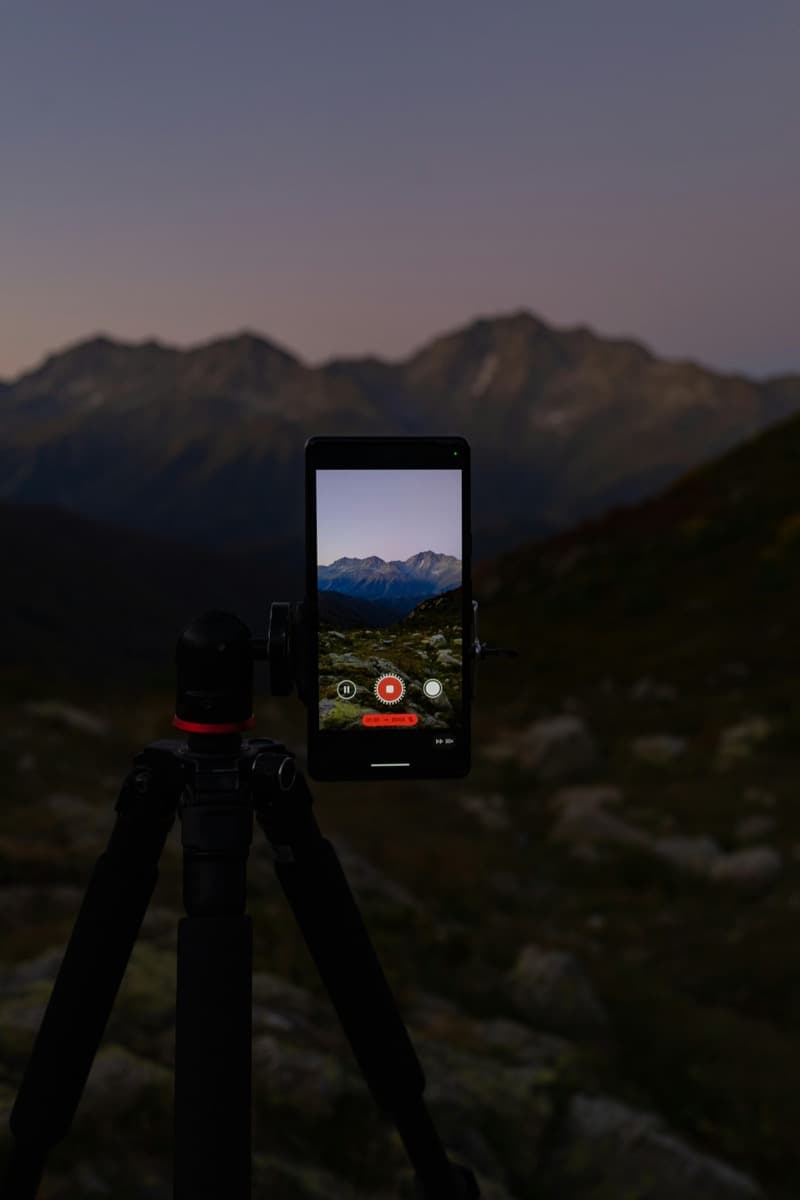
Photo by Dmitrii Vaccinium (@nocycling)
There is a photograph that no professional photographer will ever take. It exists at the top of a ridge at 4 in the morning, in the middle of a 100-kilometre race, when the first light of day hits a mountain range that has no name on most maps and no road within forty kilometres. The professional photographer is bound by the logistics of the industry. The athlete is bound only by the requirements of the trail. The race goes through that ridge. The light happens to be extraordinary. They reach for their phone.
That photograph is real. It is being taken every day by runners, cyclists, climbers, skiers, and surfers who are so deep inside landscapes that the professional world has no access to them. And most of the time, the athlete does not even realise what they have captured.
The professional photographer goes to the mountain. The athlete lives inside it.
Why Do Athletes Take Better Nature Photos Than Professionals?
Professional outdoor photography is a logistical operation. Permits. Equipment cases. Assistants. Scouting trips. The photographer must get to the location, set up, wait for the light, capture the shot, and get out. The entire enterprise is built around the assumption that the subject and the photographer are two different people in two different places.
The athlete collapses that distance entirely. They are not visiting the landscape. They are moving through it, in it, with it, for hours or days at a time. They are present at moments the professional photographer only reads about in weather reports. The climber is on the wall when the cloud breaks after three days of rain. The trail runner crests the ridge at the exact second the fog lifts. The cyclist rounds a hairpin turn and finds the entire valley lit orange below them.
These are not planned shots. They are witnessed moments. And the difference between a planned shot and a witnessed moment is the difference between a technically perfect photograph and one that makes you stop breathing.
How Does Light Work in Outdoor Photography?
Every photographer will tell you the same thing: the light is the photograph. The subject, the composition, the equipment, all secondary. The light is what separates an image from a document.
The best light in nature happens at the margins of the day. The hour after sunrise and the hour before sunset, when the sun sits low on the horizon and its rays travel sideways through the atmosphere, turning everything golden, casting long shadows, giving texture to surfaces that look flat at noon. Photographers call these the golden hours. They plan entire trips around them.
Athletes arrive at these hours by accident, and by design. The trail runner who starts before dawn to beat the summer heat crests the pass just as the sky turns pink. The cyclist who climbs all morning reaches the summit pass in the early afternoon when storm clouds are building and the light turns dramatic. The skier who stays on the mountain until closing time finds the last hour of alpenglow painting the peaks red while everyone else has gone home.
The athlete does not chase the light. The athlete chases the sport. The light finds them.
Connect with training partners, earn travel miles, and discover terrain worth crossing borders for.
Join ZealZagFollow us on InstagramWhere Do Athletes Go That Photographers Cannot?
Great nature photography requires access. Not just physical access, though that matters, but temporal access. Being in the right place at the right time. The professional photographer can arrange to be somewhere beautiful. They cannot arrange to be forty kilometres into a mountain ultra at midnight when the sky clears and the Milky Way appears directly above the ridge they are running along.
The athlete earns that access through effort. Every hour of training, every difficult decision to keep moving when the body wants to stop, every early start in the dark, all of it buys the athlete entry into places and moments that no photographer can simply book.
The climber who reaches a summit that takes three days of technical ascent is standing somewhere that has been photographed perhaps a handful of times in human history. The mountain biker who rides a remote ridge trail in southern Patagonia is moving through terrain that most cameras have never pointed at. The surfer who paddles out before dawn on a reef break that requires a forty-minute walk through jungle is in a place that the commercial photography world does not know exists.
The camera in their pocket is the only one there. Whatever they capture is, by definition, rare.
How Has the Smartphone Changed Outdoor Photography?
For most of photography's history, the athlete's advantage was theoretical. Getting to extraordinary places meant nothing if the camera was too heavy to carry or too complicated to operate with cold hands and tired eyes. The professional photographer's technical edge outweighed the athlete's locational edge.
The smartphone changed that equation permanently. The camera that fits in a running vest pocket or a cycling jersey is now capable of producing images that, in the right light and the right moment, are indistinguishable from those made with professional equipment. The gap between the phone and the full-frame camera narrows every year. The gap between the athlete's access and the photographer's access never will.
This is why the most powerful outdoor images circulating on social media today are not always taken by photographers. They are taken by a trail runner in Norway who stopped at the top of a pass because the view was too extraordinary to pass without acknowledgment. By a cyclist in Kyrgyzstan whose daily training route happens to cross a mountain that most people cannot name. By a surfer in the Azores who paddled out at dawn because the swell report was good and happened to find the ocean empty and the light perfect.
The best nature photography is being made by people who are too busy living the moment to call themselves photographers.
What Do Athletes See That Photographers Miss?
There is something else the athlete brings to the photograph that no technical skill can replicate: intimacy with the landscape. The professional photographer observes. The athlete inhabits.
The trail runner who has run the same mountain route two hundred times knows exactly where the morning light hits the rock face. They have watched it change through every season. They know which corner of which ridge reveals the valley below at the exact moment the mist clears. They know this not because they studied it, but because they were there, every week, in all conditions, for years.
That intimacy shows in the photographs. The image taken by someone who belongs to a place carries a quality that the image taken by someone passing through does not. It is the difference between a portrait and a snapshot. Both capture what is there. Only one captures what it means.
How Can Athletes Take Better Photos Right Now?
You do not need to think of yourself as a photographer to take photographs that matter. You need to pay attention to a few things that are already happening around you.
Stop when the light changes. The most common mistake athletes make is continuing to move when the light becomes extraordinary. The golden hour is fifteen minutes of something that will not come back today. It is worth stopping for.
Turn around. The view behind you is often more interesting than the view ahead. You have been looking forward for the last two hours. The light is now coming from a direction you have not been facing. Turn around and look at where you came from.
Get low. Most phone photographs are taken from standing height because that is where the phone is when you reach for it. The world looks different from knee height, or from lying on the ground. The foreground becomes interesting. The subject gains scale.
Wait. The photograph that changes everything is almost never the first one you take. It is the one you take after you have stopped, looked around, adjusted your position, waited for a cloud to move or a runner to reach the right point in the frame, and pressed the shutter when everything aligned.
Share the terrain, not just the performance. The finish line photograph and the elevation graph tell one story. The photograph of the trail in the hour before dawn, or the mountain reflected in the puddle at kilometre forty, tells another. Both are true. Only one is rare. A Zagger does not just post for likes. They post to guide. When you capture that kilometre-forty reflection, you are leaving a lighthouse for the next athlete who follows your tracks.
What Map Are Athletes Building Together?
At ZealZag, we believe that the most accurate map of the world's extraordinary terrain is not being built by cartographers or travel companies. It is being built one photograph at a time by athletes who are already there, already moving, already living inside the places that the rest of the world only dreams about visiting.
Every image you share from your training, your races, and your adventures is a data point on that map. It tells a traveling athlete in another country that this trail exists, that this summit is worth the effort, that this coastline at dawn looks exactly like this. It is information that no travel guide can provide, because no travel guide has run forty kilometres to be there.
You are already a nature photographer. You just need to stop moving long enough to take the picture.